
Strook kloskant met viervoudige moesjes — History & Facts
When did color learn to lie? In the delicate lacework of the past, threads whisper secrets that transcend time, revealing the truth beneath the surface. Look to the intricate patterns woven throughout the piece, tracing your vision along the ethereal filigree that dances across the canvas. Each loop and curve not only captures light but also plays with shadows, creating a texture that is both tactile and ethereal. The palette, muted yet rich, evokes a sense of nostalgia, drawing the eye to the subtle contrasts between the soft ivory and the deeper, earthier tones that anchor the work. Examine the juxtaposition of simplicity and complexity — the serene design belies the laborious craftsmanship that went into its creation.
Each delicate moesje, with its elaborate twist and turn, tells a story of both grace and struggle, encapsulating the emotions of a bygone era. This interplay of light and shadow captures the essence of revelation, suggesting that beauty often conceals the toil behind it. Created between 1900 and 1909, this piece emerges from an era when artisans were redefining their craft, seeking to elevate everyday objects into realms of beauty and art. The early 20th century was marked by a growing appreciation for decorative arts, as artists sought to break free from traditional bounds, merging functionality with aesthetic innovation.
In this transitional period, the work stands as a testament to the enduring power of craftsmanship and the revelations it can unveil.
More Artworks by Unknown Artist
Browse all →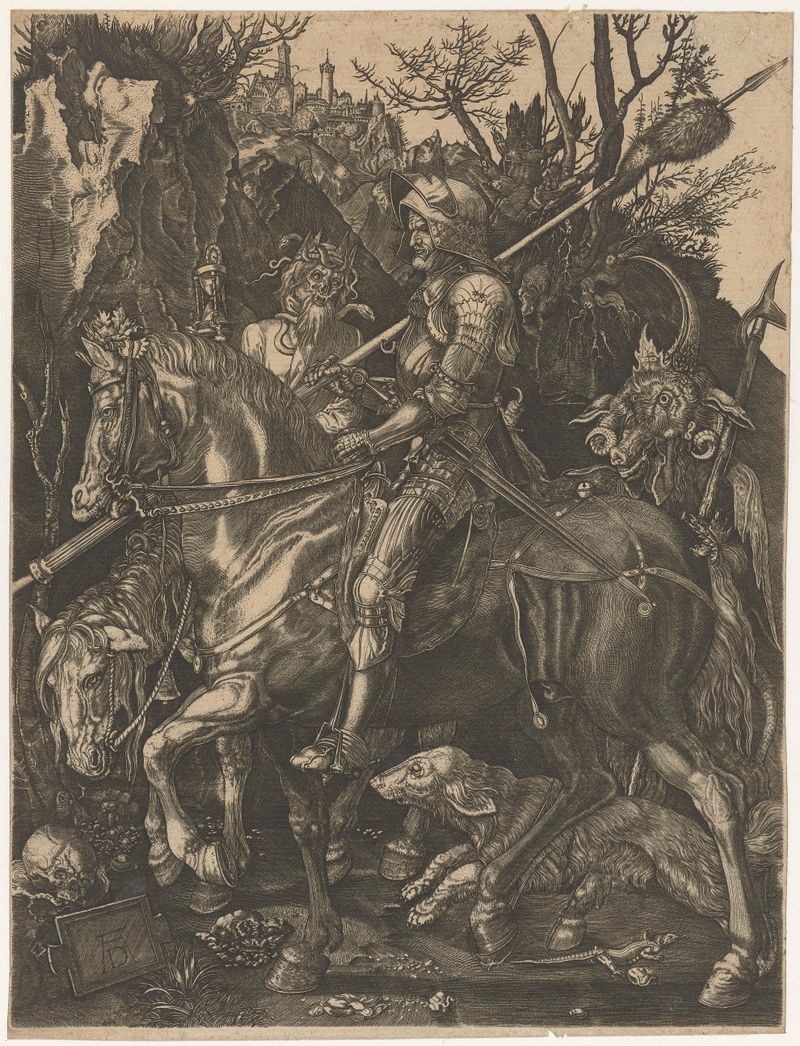
Ridder, Dood en Duivel
Unknown Artist
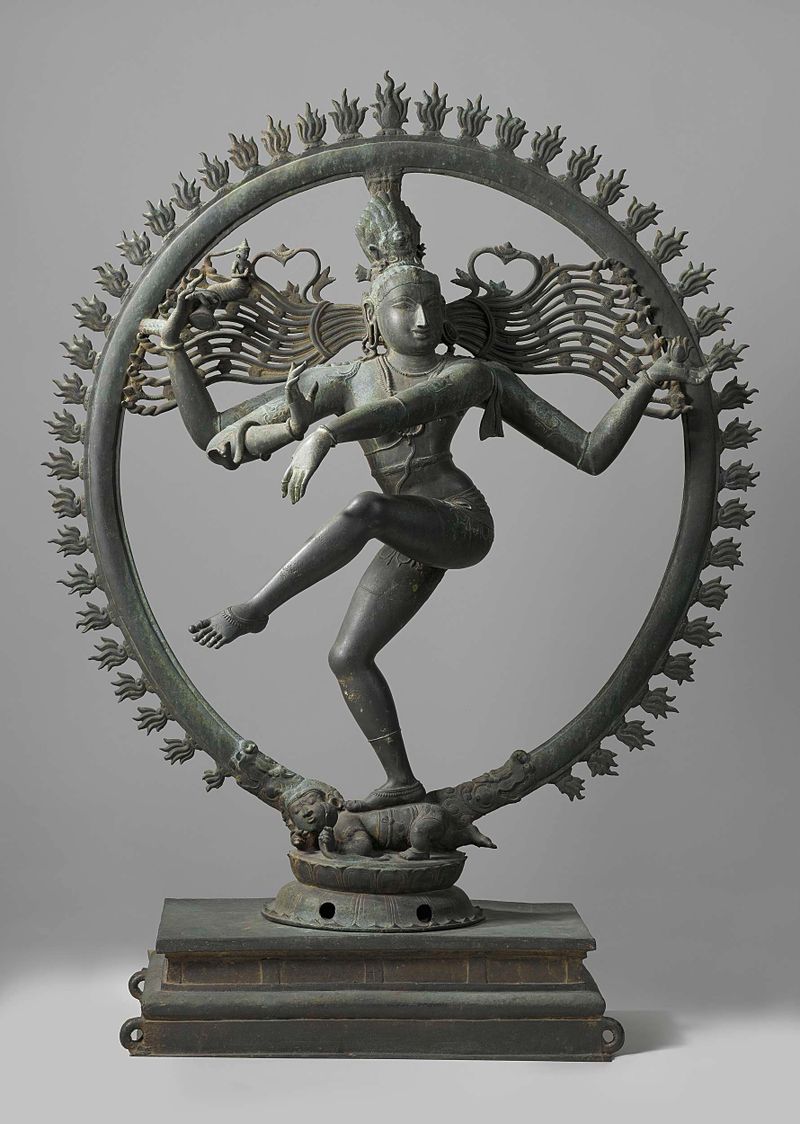
Shiva Nataraja
Unknown Artist
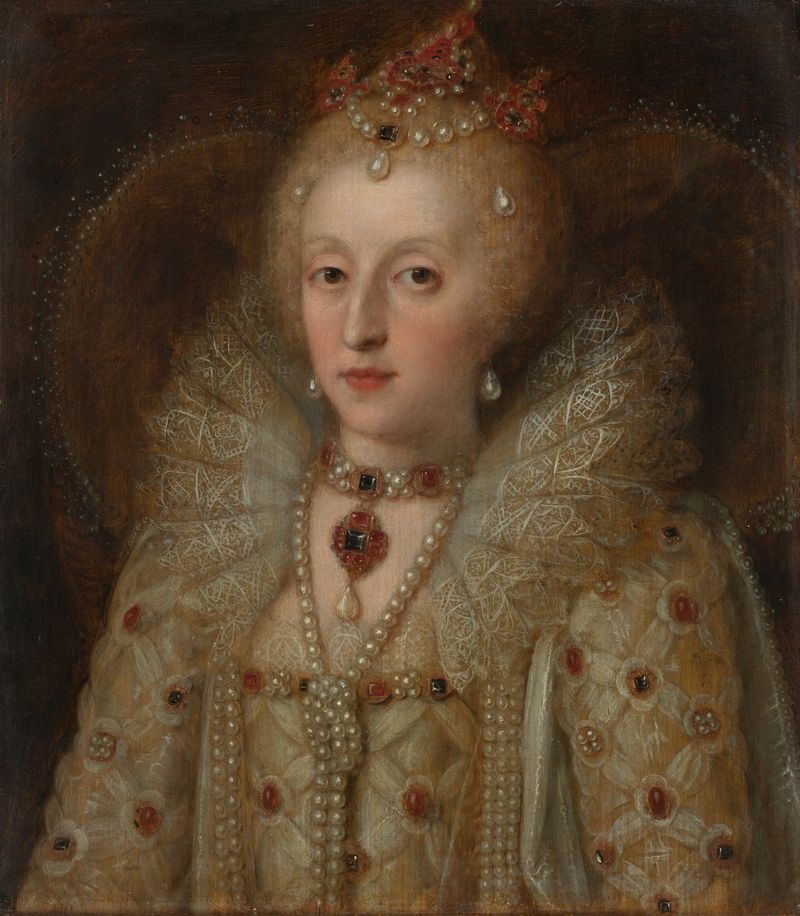
Portrait of Elizabeth I, Queen of England
Unknown Artist
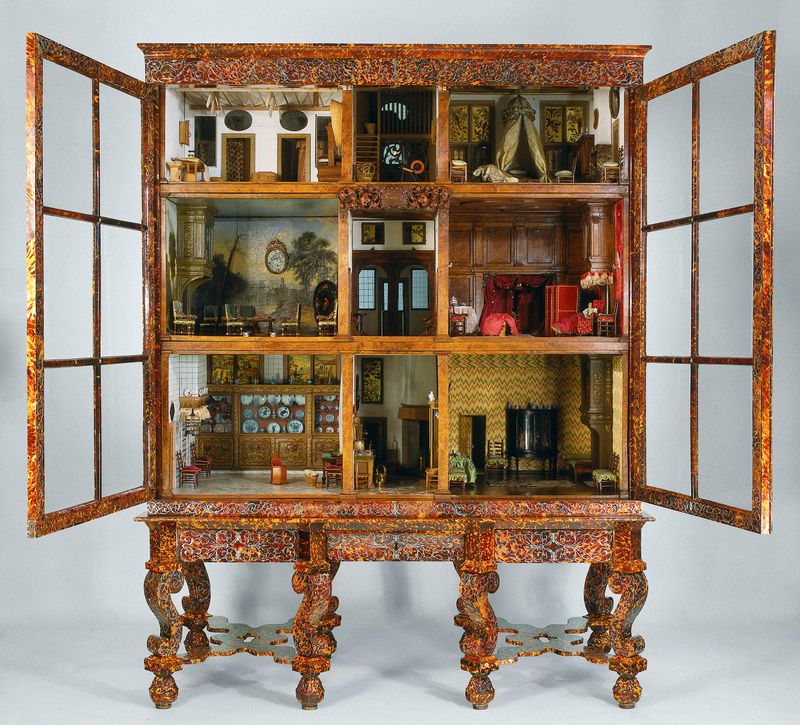
Dolls’ house of Petronella Oortman
Unknown Artist
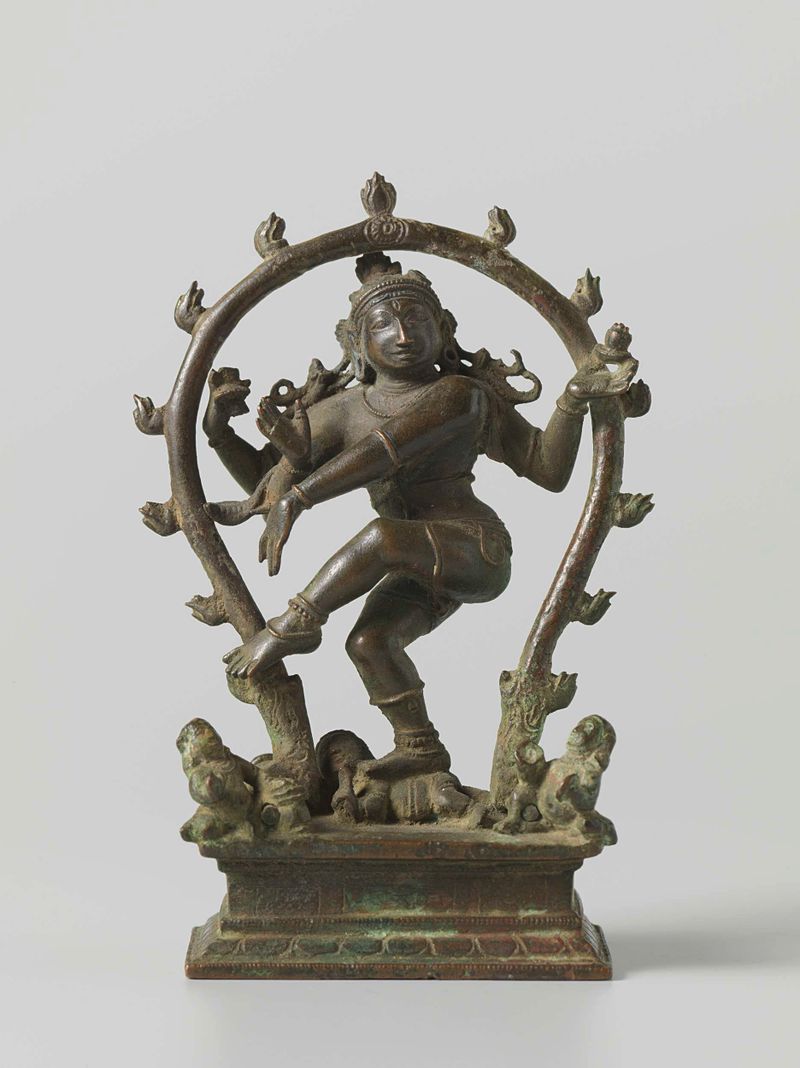
Shiva Nataraja
Unknown Artist

The Tale of Genji
Unknown Artist

The Tale of Genji
Unknown Artist

Cong
Unknown Artist
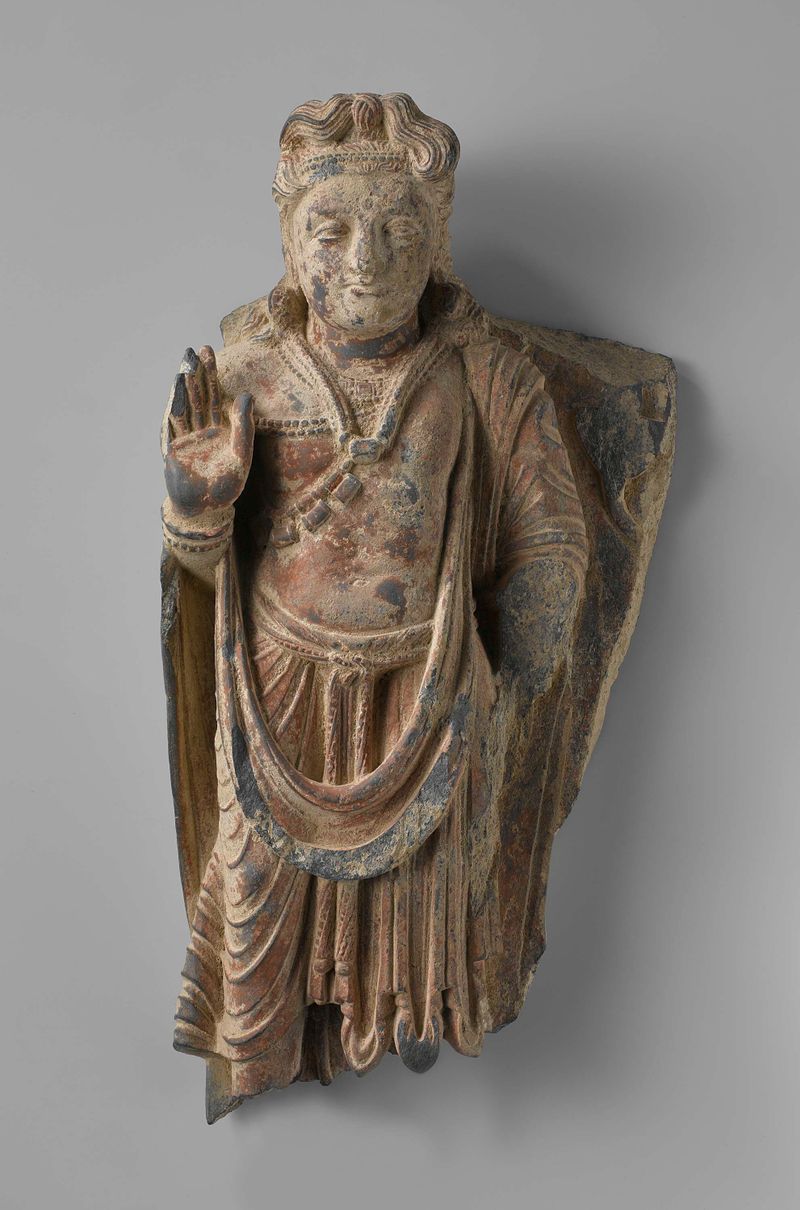
The bodhisattva Maitreya
Unknown Artist

Teabowl with a 'hare's fur' glaze
Unknown Artist



