Strook kloskant met zigzag-baan — History & Facts
When did color learn to lie? Each hue whispers secrets, yearning for a deeper connection, yet the truth remains elusive. Look closely at the zigzag patterns that dominate the canvas; their sharp angles draw the eye instinctively. Notice how delicate threads intertwine, each one a vibrant strand of history and emotion, while the earthy tones ground the piece in a tactile reality. The interplay of light across the fabric creates a gentle rhythm, harmonizing the chaos of form with the softness of texture. Within this textile masterpiece, there lies a tension between simplicity and complexity.
The zigzag motif might symbolize the unpredictable paths of life, with each turn representing a choice, a moment of hesitation, or even opportunity. Meanwhile, the muted colors evoke nostalgia, hinting at stories untold and moments lost to time. This artwork conveys a yearning not just for beauty, but for connection—to the past, to memory, and to each other. Created between 1900 and 1924, this piece emerged during a transformative time in art, reflecting the rise of modernist movements that embraced abstraction and personal expression.
The artist, though unknown, contributed to a broad tapestry of creative exploration that sought to redefine traditional aesthetics, mirroring societal shifts and the complexities of contemporary life. This artwork stands as a testament to the collective yearning of an era, captured in the fleeting elegance of fabric and form.
More Artworks by Unknown Artist
Browse all →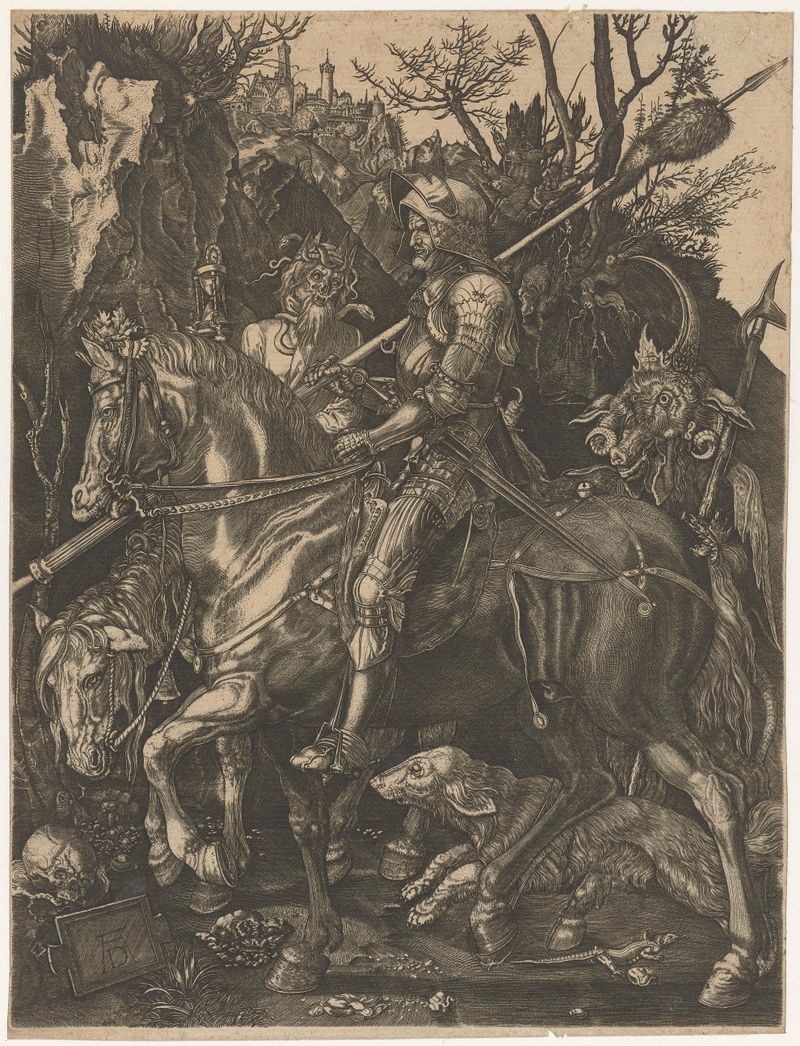
Ridder, Dood en Duivel
Unknown Artist
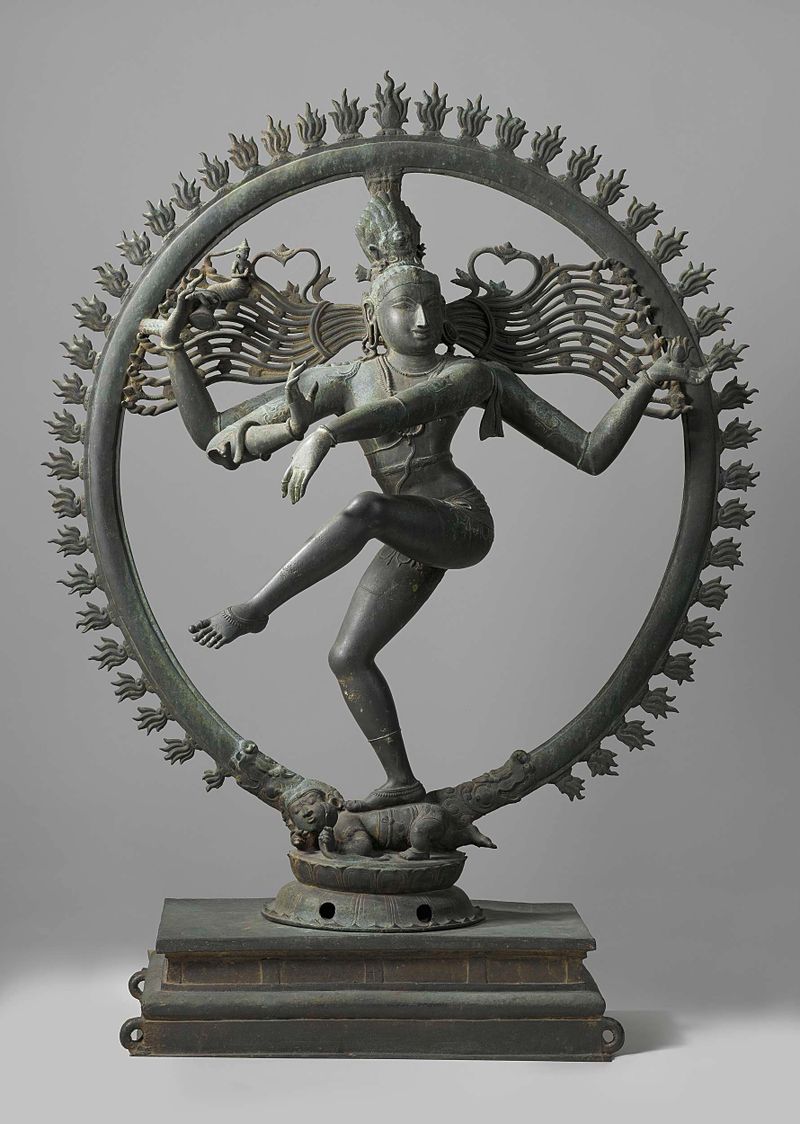
Shiva Nataraja
Unknown Artist
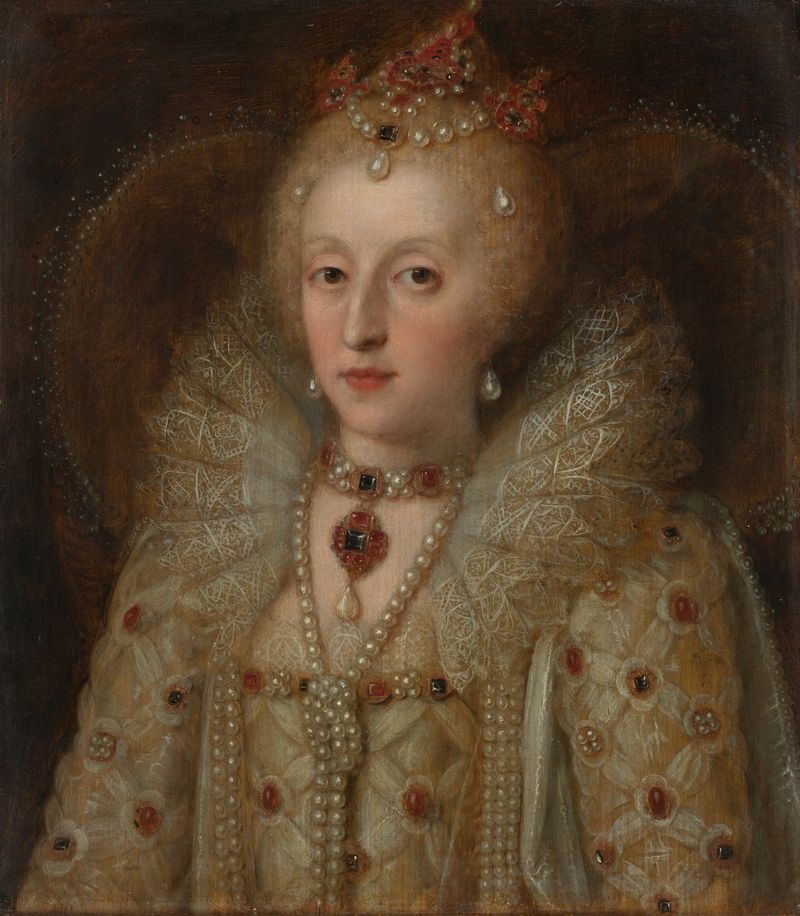
Portrait of Elizabeth I, Queen of England
Unknown Artist
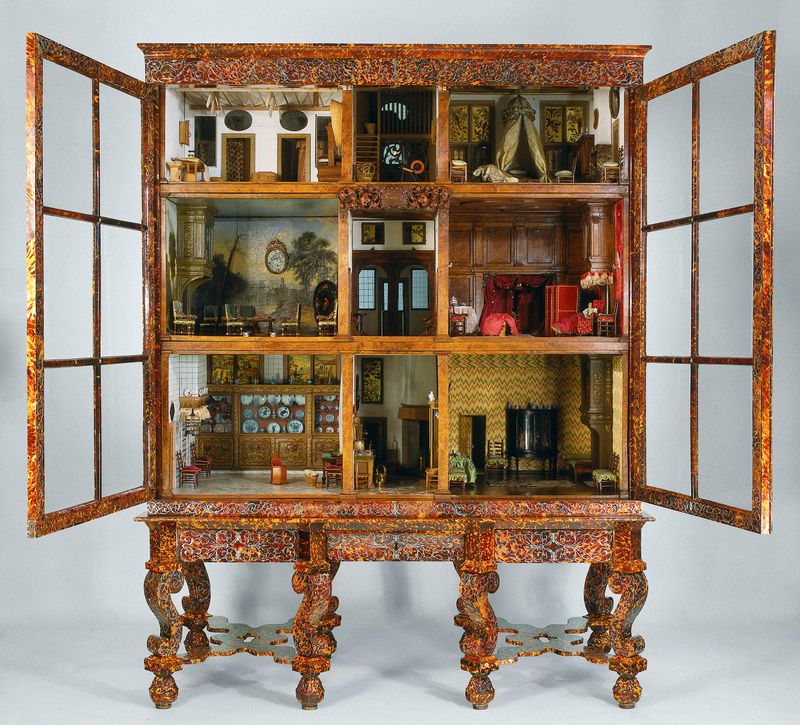
Dolls’ house of Petronella Oortman
Unknown Artist
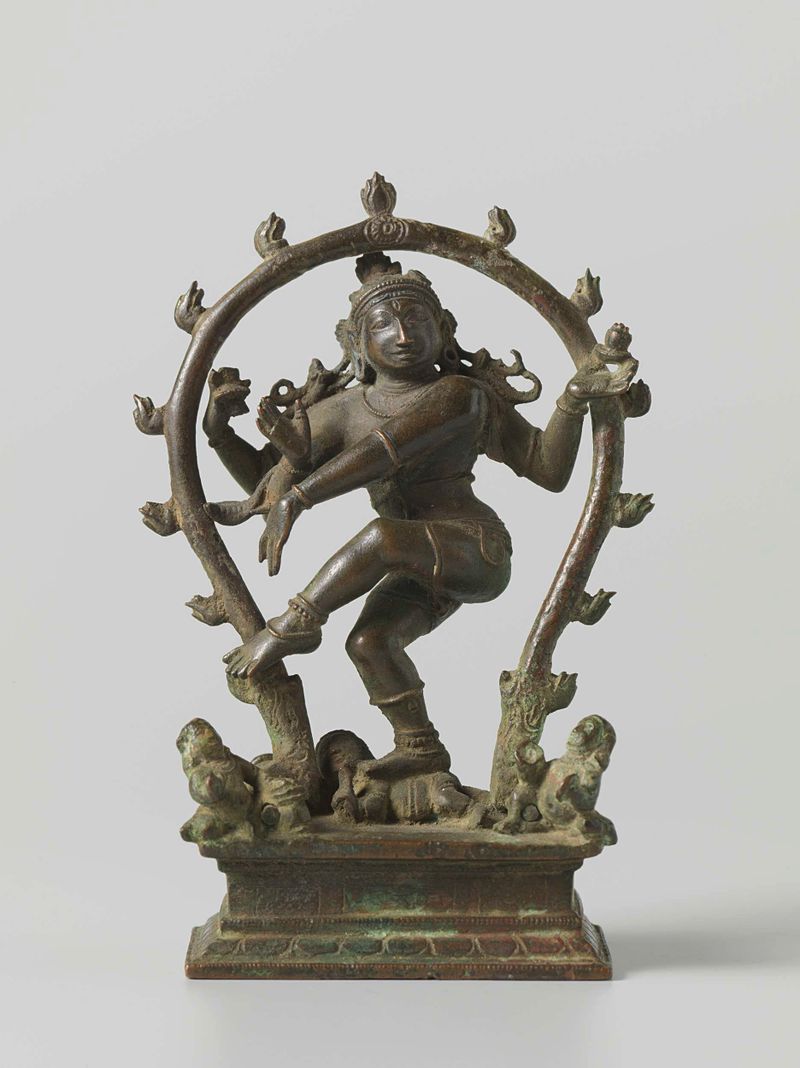
Shiva Nataraja
Unknown Artist

The Tale of Genji
Unknown Artist

The Tale of Genji
Unknown Artist
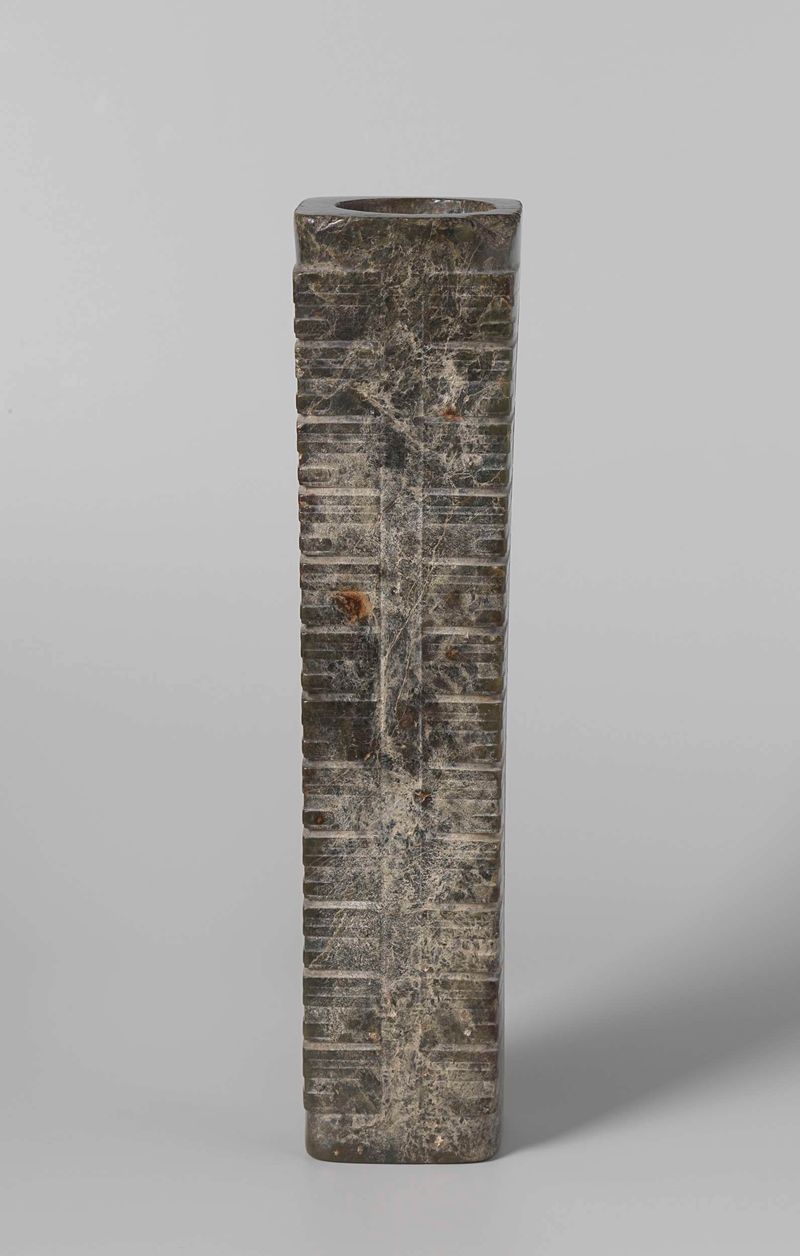
Cong
Unknown Artist
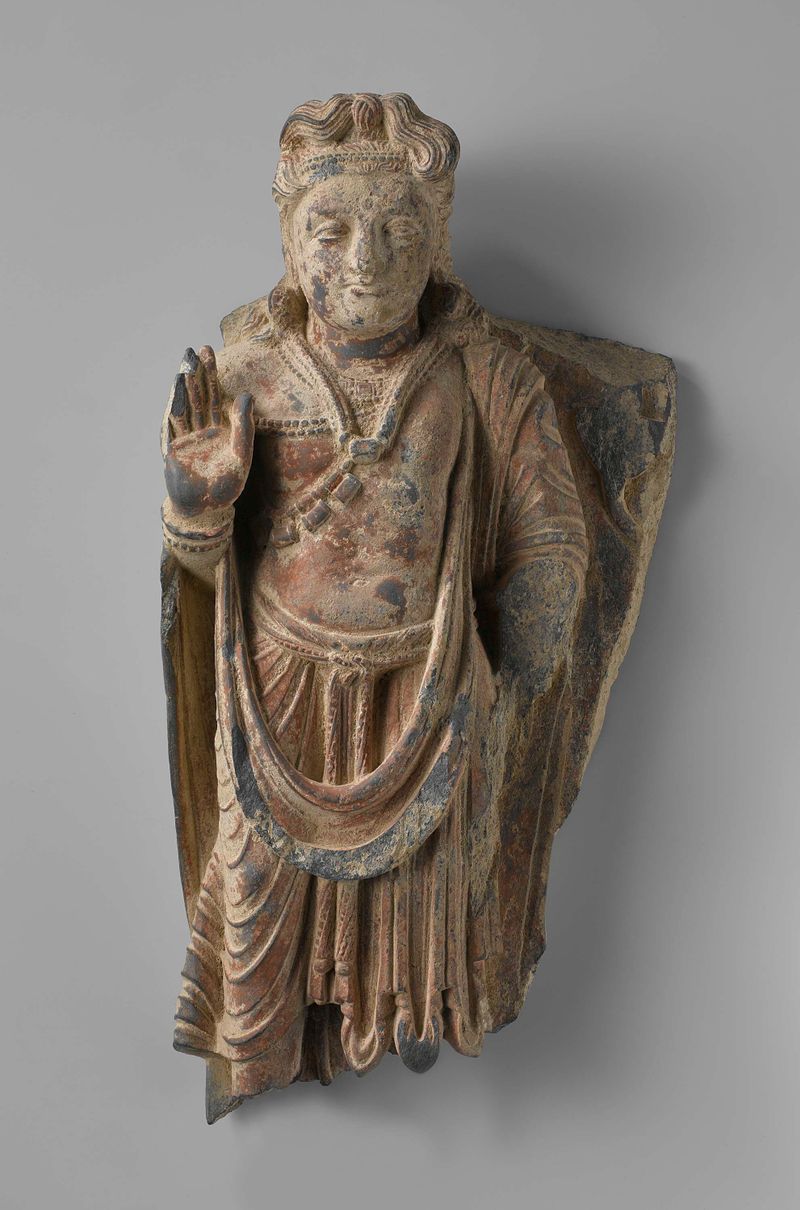
The bodhisattva Maitreya
Unknown Artist
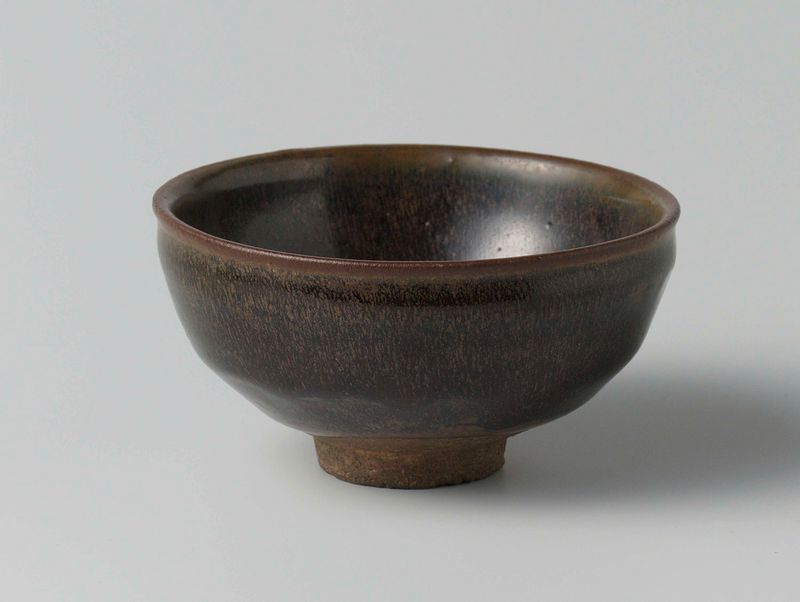
Teabowl with a 'hare's fur' glaze
Unknown Artist