Strook kloskant zogenaamde pottekant — History & Facts
Each brushstroke captures an essence that lingers just beyond reach, echoing a profound sense of loss. Here, threads of history weave together, forming a tapestry that speaks to the fleeting nature of existence. Look closely at the intricate patterns that dance across the surface, particularly the delicate embroidery on the edge. Notice how the muted color palette of soft browns and faded blues contrasts sharply with the vibrancy of the floral motifs.
These elements draw the eye, inviting contemplation on both beauty and decay, as if each thread tells a story of what once was. Delve deeper into the juxtaposition of the vibrant flowers against the discolored backdrop, suggesting a passage of time where vibrancy has dimmed, and memories fade. The choices made in detail and composition reveal an emotional landscape, where loss is not just a void but an integral part of beauty itself. Each stitch captures a moment, a life lived, and perhaps a longing for connection that transcends the fabric. Created in the late 19th to early 20th century, this work stands as a testament to an era of transformation in the art world.
The artist, shrouded in anonymity, likely navigated the upheavals of a society grappling with modernization and change. In this period, the resurgence of textile arts revived a sense of craftsmanship that resonated with the longing for authenticity in an increasingly industrial world.
More Artworks by Unknown Artist
Browse all →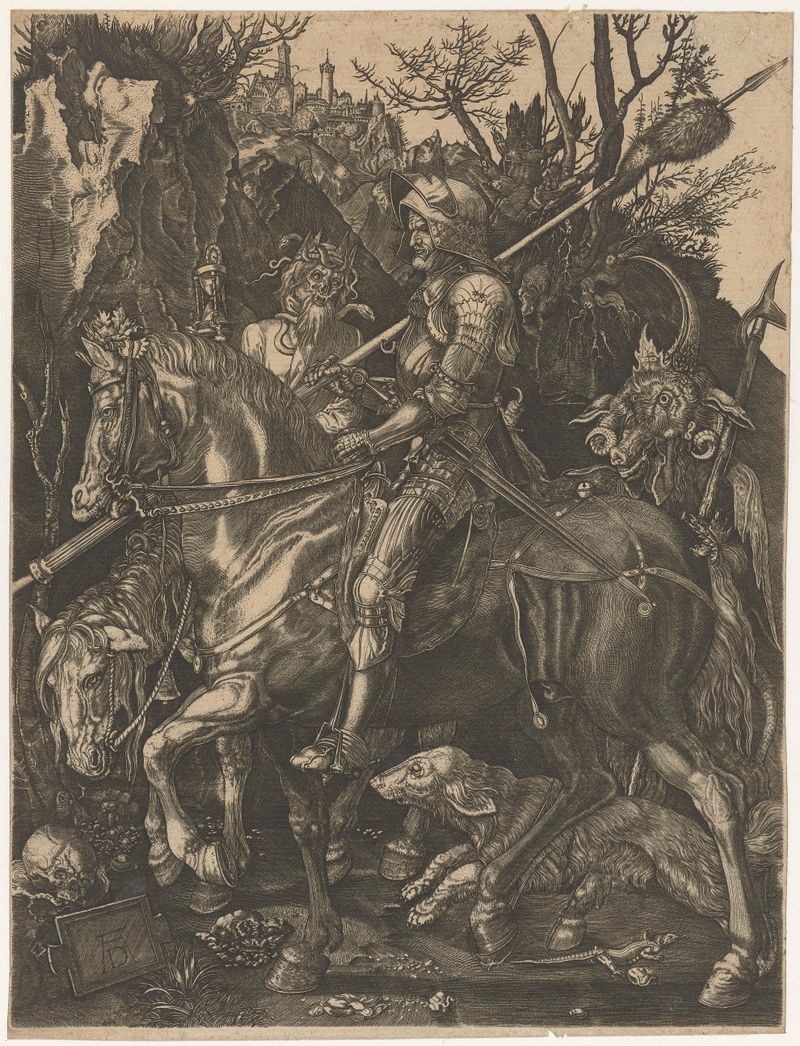
Ridder, Dood en Duivel
Unknown Artist
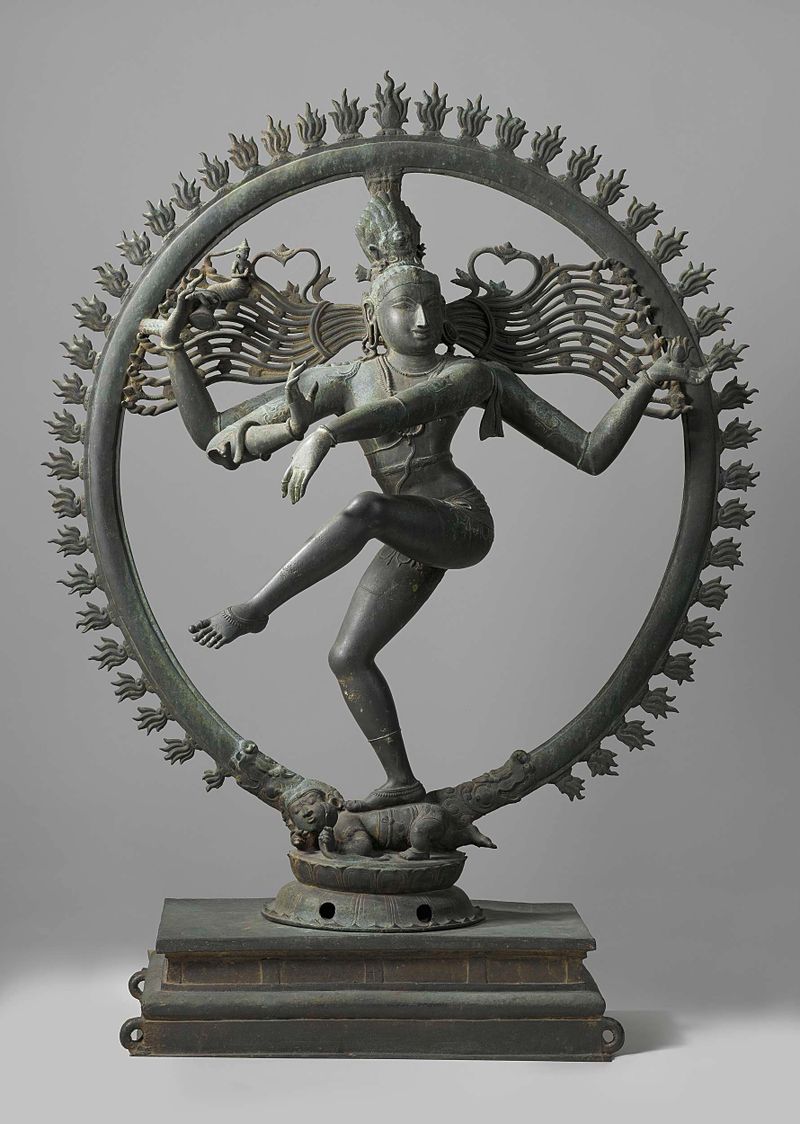
Shiva Nataraja
Unknown Artist
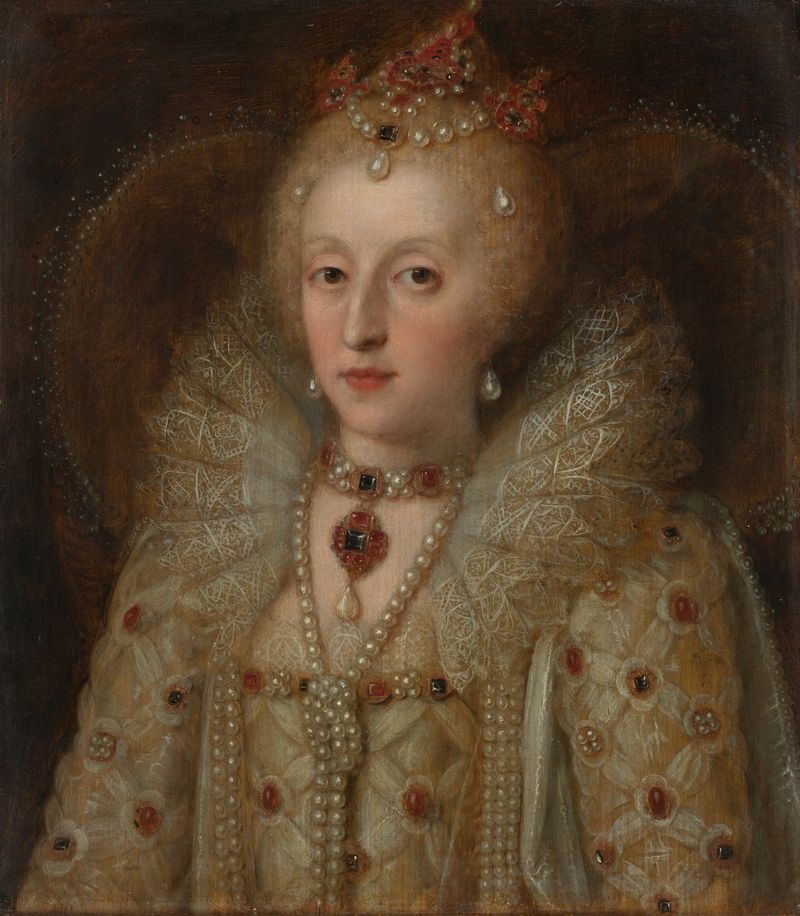
Portrait of Elizabeth I, Queen of England
Unknown Artist
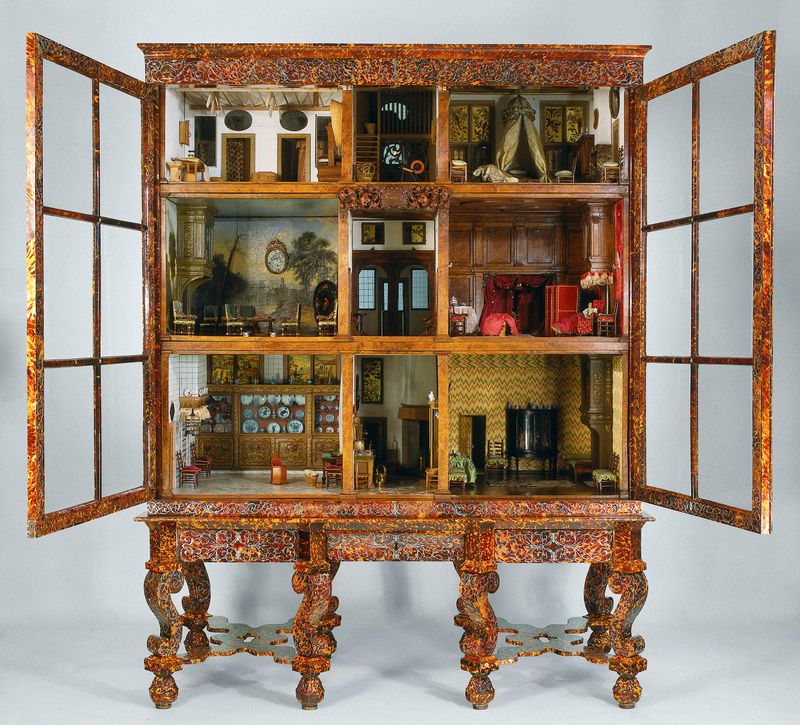
Dolls’ house of Petronella Oortman
Unknown Artist
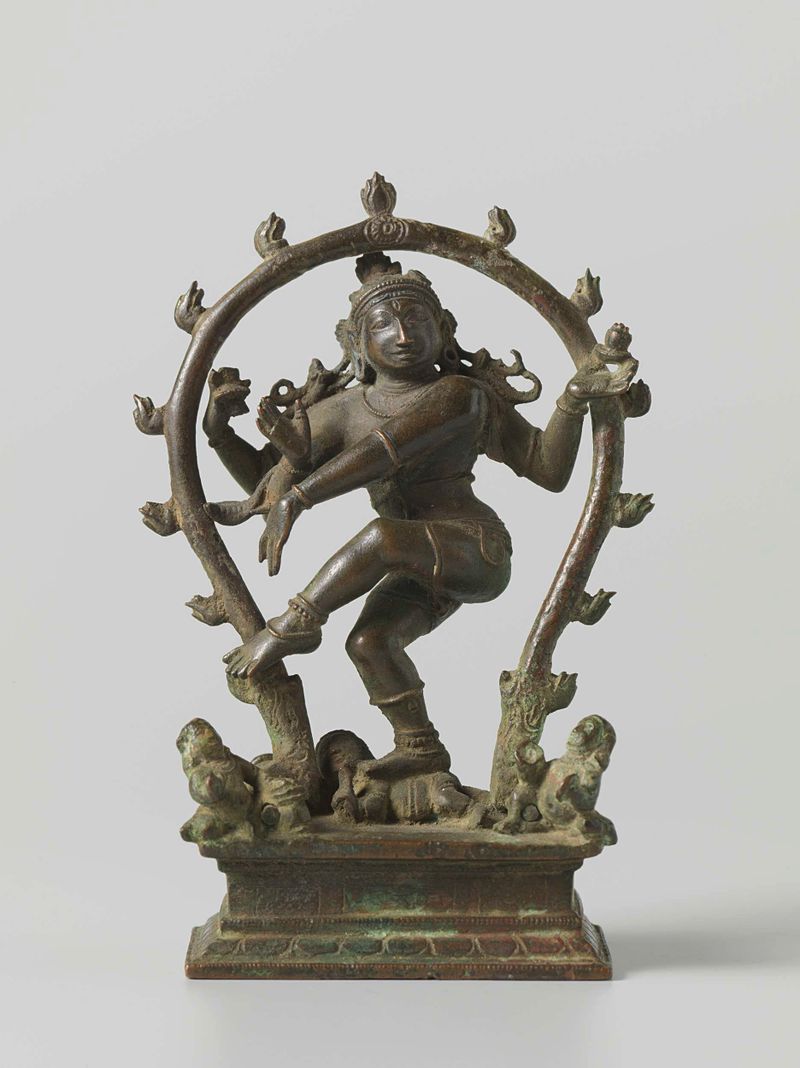
Shiva Nataraja
Unknown Artist

The Tale of Genji
Unknown Artist

The Tale of Genji
Unknown Artist
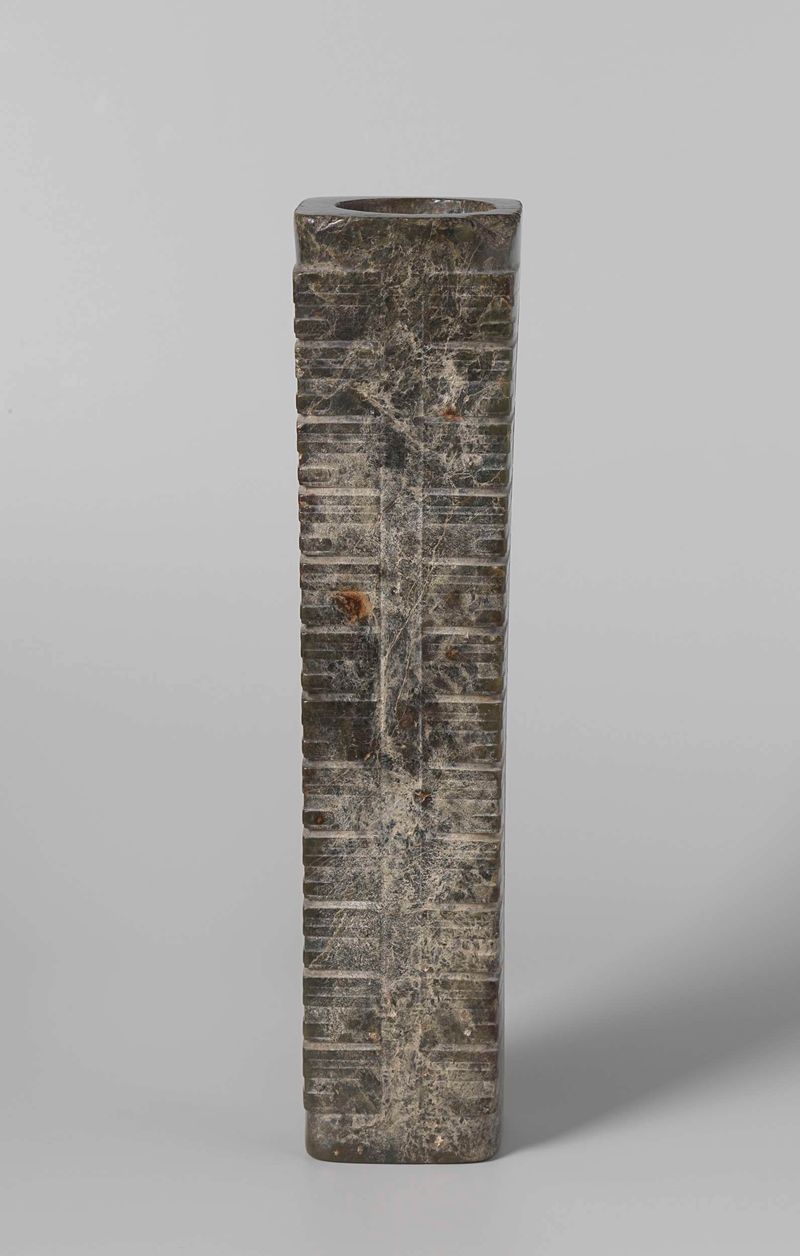
Cong
Unknown Artist
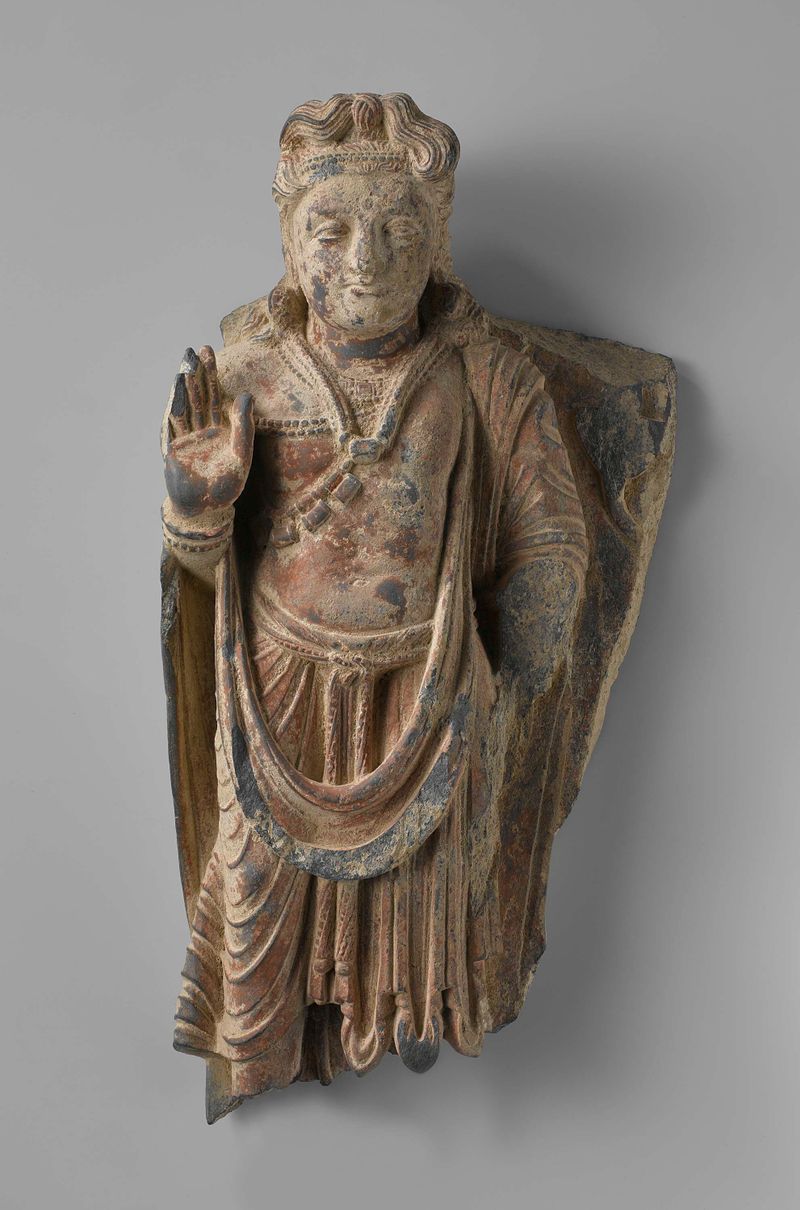
The bodhisattva Maitreya
Unknown Artist
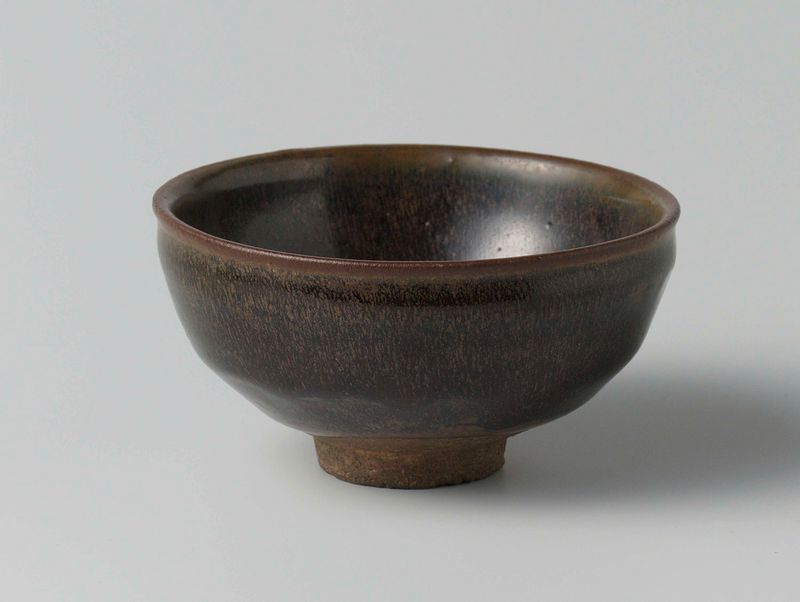
Teabowl with a 'hare's fur' glaze
Unknown Artist