Studie aus Hall 3 — History & Facts
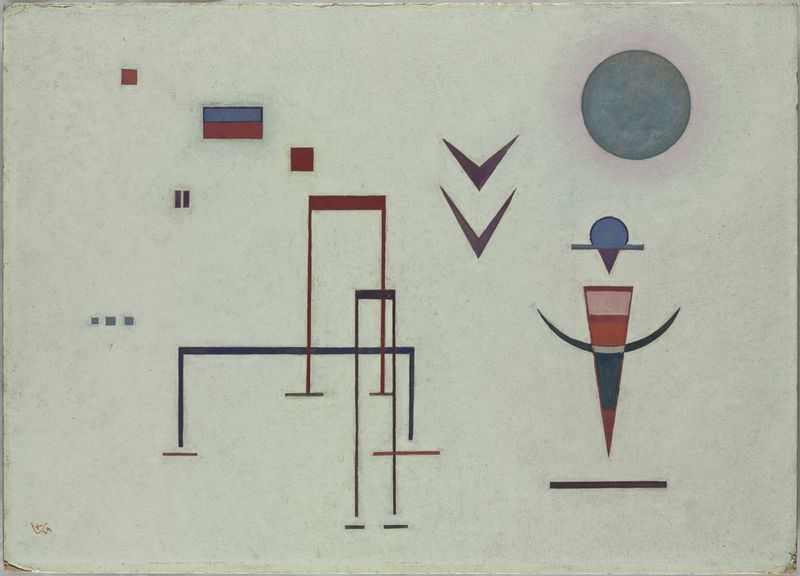
The allure of obsession lingers in the air, tempting the heart with both delight and despair. Look closely to the left where sharp lines converge, forming an intricate lattice that ensnares the viewer’s gaze. The interplay of shadow and light reveals delicate textures, inviting you to trace the contours of each shape. Notice how muted earth tones dominate the palette, grounding the piece while hints of gold shimmer like fleeting thoughts, illustrating the tension between vulnerability and grandeur. Within the seemingly simple composition lies a profound exploration of conflicting emotions.
The rigid structure, while symmetrically pleasing, hints at the claustrophobia of obsession—binding yet beautiful. Each glint of gold serves as a reminder of how desire can conceal deeper struggles, creating a tension that resonates with anyone who has grappled with their own consuming passions. The artist created this work during a period of introspection, likely reflecting his thoughts on the intricacies of human emotion. Karl Gebhardt was part of the early 20th-century German art scene, where abstraction began to intertwine with representation.
His experiences, shaped by the turbulence of the world around him, informed his quest to explore the complex layers of psyche and form, resulting in pieces that resonate long after the viewer has moved away.