
Study from Gethsemane — History & Facts
In the stillness of creation, the artist captures a moment where violence looms just beneath the surface, demanding attention and reflection. Each brushstroke whispers secrets of conflict and resolution, inviting the viewer to confront the raw, emotional landscape of the human experience. Focus on the central figure, a robust, almost tortured silhouette, grounded in a tumultuous background of dark greens and ochres. Notice how the muted colors swirl around the figure, encapsulating the emotional turmoil present in the scene.
The light, soft yet haunting, seems to emanate from within, casting the figure in a glow that speaks of both suffering and strength. This juxtaposition forces the viewer to grapple with the tension between despair and resilience. Delve deeper into the nuances of this work. The chaotic brushwork suggests an impending storm, symbolizing the inner conflict faced by the figure.
The contrast between the vibrant colors surrounding the character and their desolate stance evokes a sense of isolation amidst tumult. Each detail—like the gripping of hands or the tilt of the head—captures a profound vulnerability that speaks to the violence inherent in the struggle for peace. In 1921, the artist painted this piece amid a Europe recovering from the aftermath of World War I. Boberg, situated in Norway, was influenced by the emotional reverberations of conflict and the need for healing within society.
This backdrop of turmoil and transformation profoundly shaped her artistic vision, leading her to explore themes of violence and redemption within her work.
More Artworks by Anna Boberg
Browse all →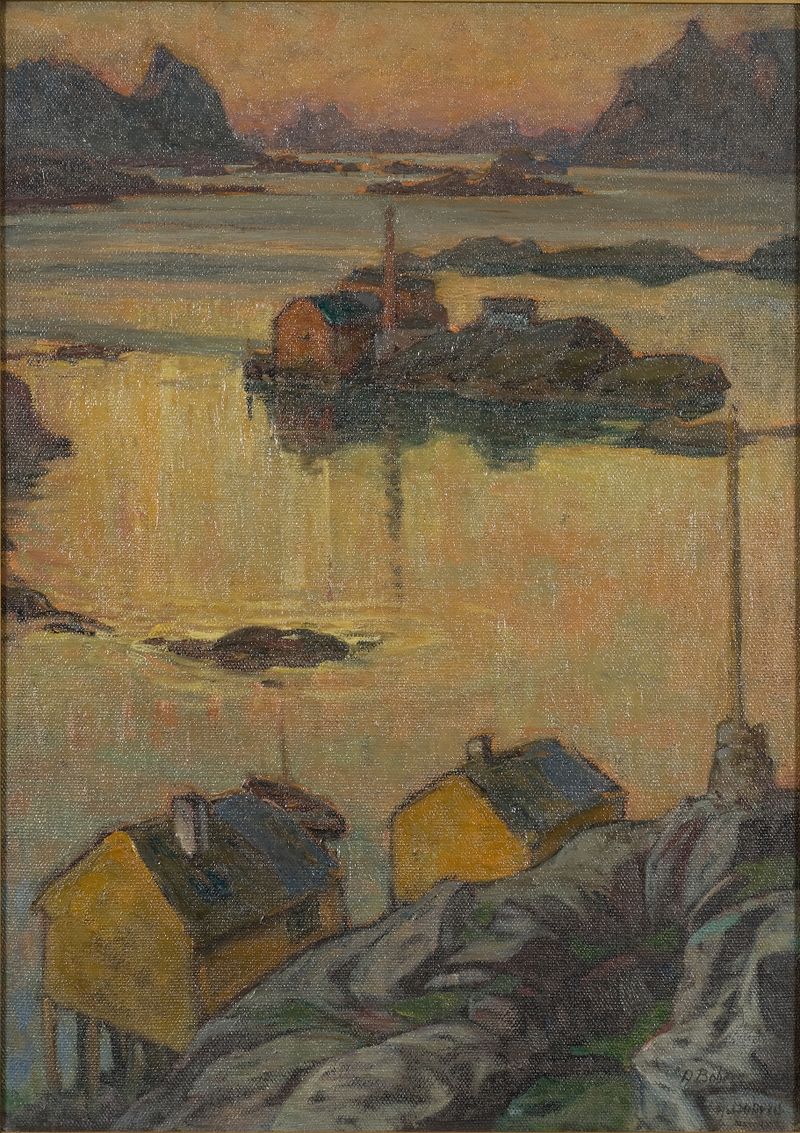
An August Night. Study from North Norway
Anna Boberg
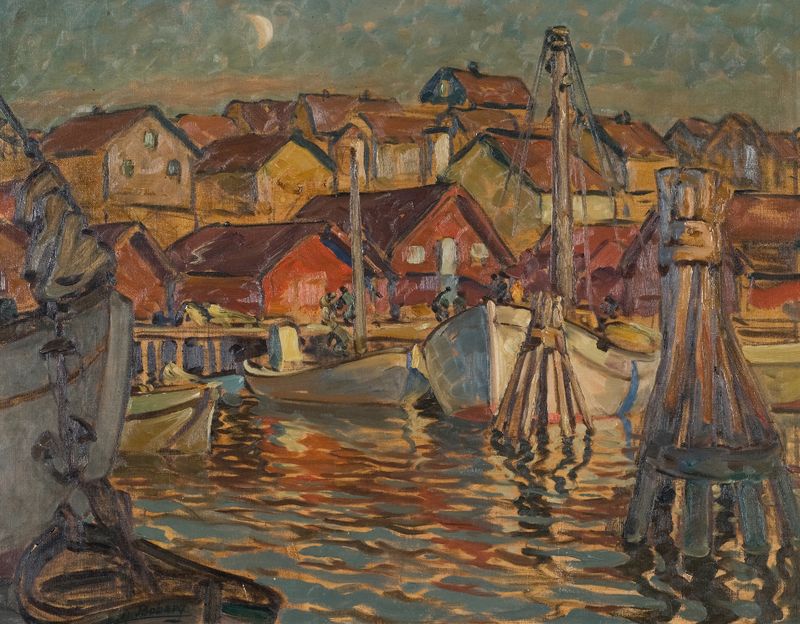
A Fishing Harbour. Study from North Norway
Anna Boberg
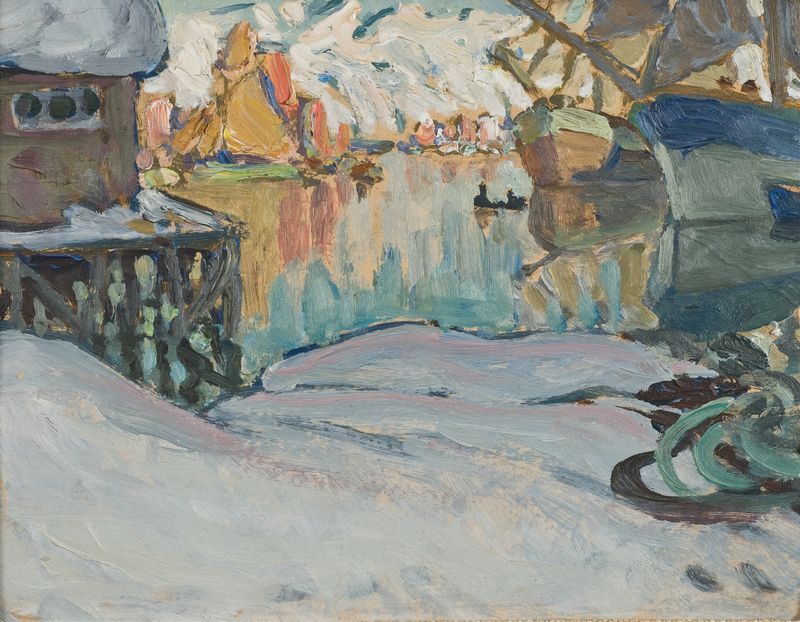
From Svolvaer Harbour. Study from Lofoten
Anna Boberg
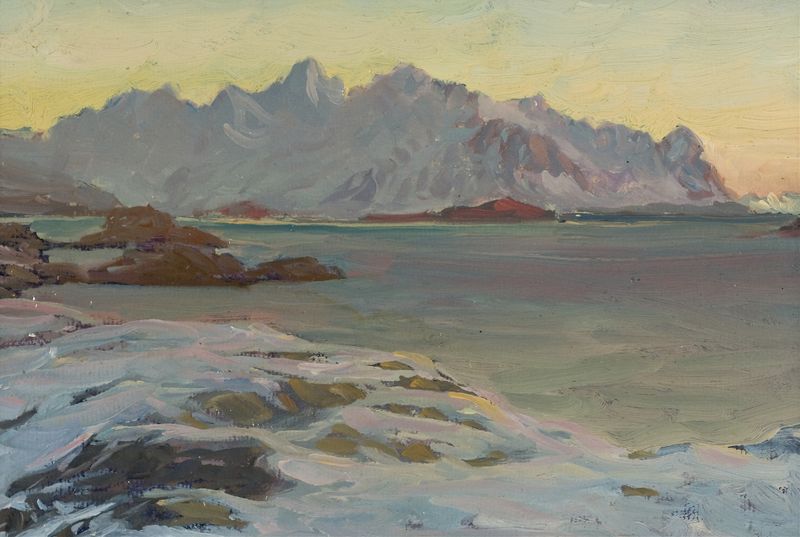
Mountains.Study from North Norway
Anna Boberg
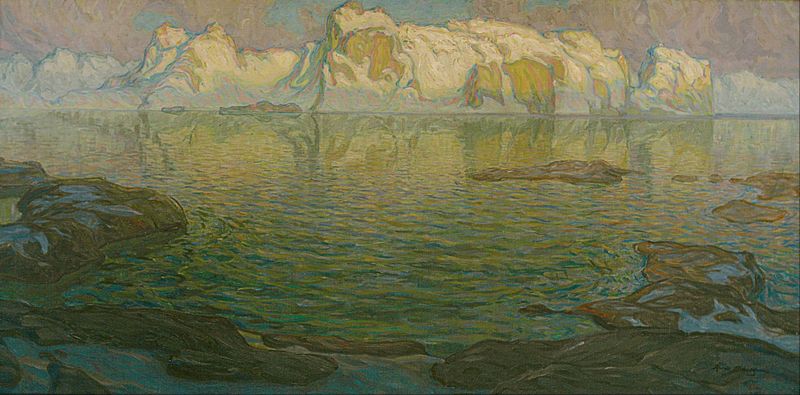
Silent evening – Scene from Lofoten
Anna Boberg
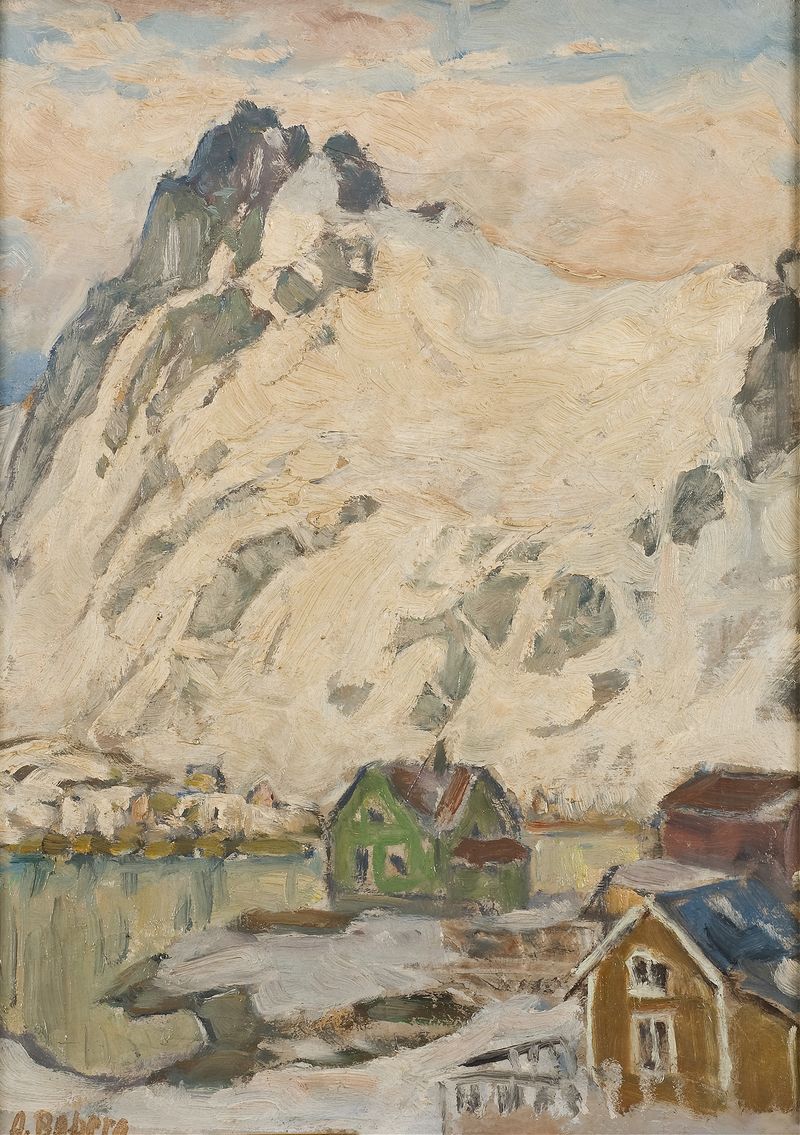
At the Foot of the Mountain. Study from Lofoten
Anna Boberg
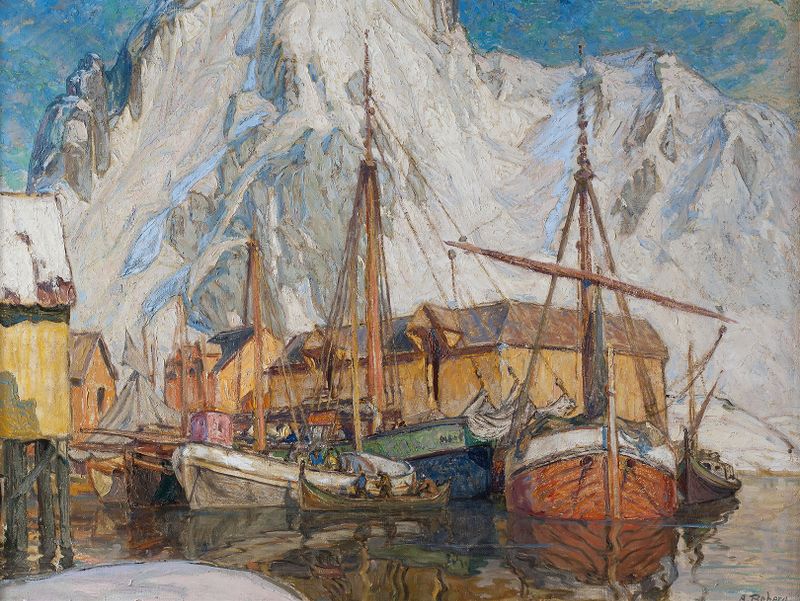
The Harbour at Svolvaer, Lofoten
Anna Boberg
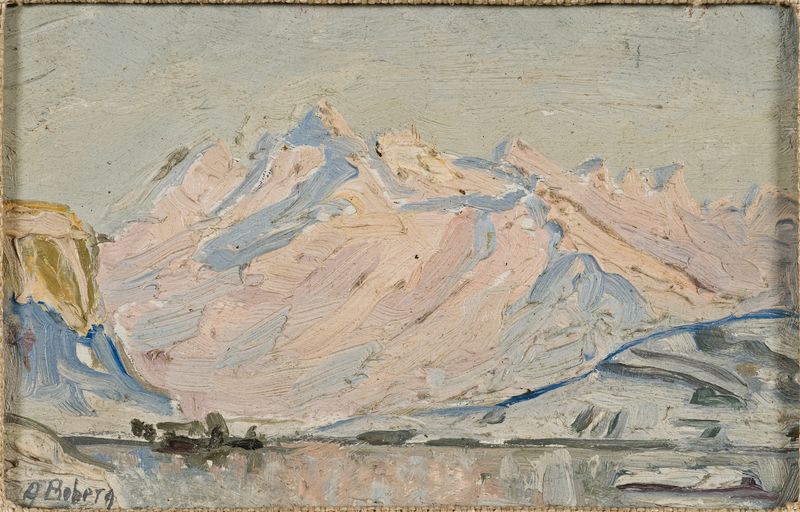
The Sun over Lofoten. Study
Anna Boberg
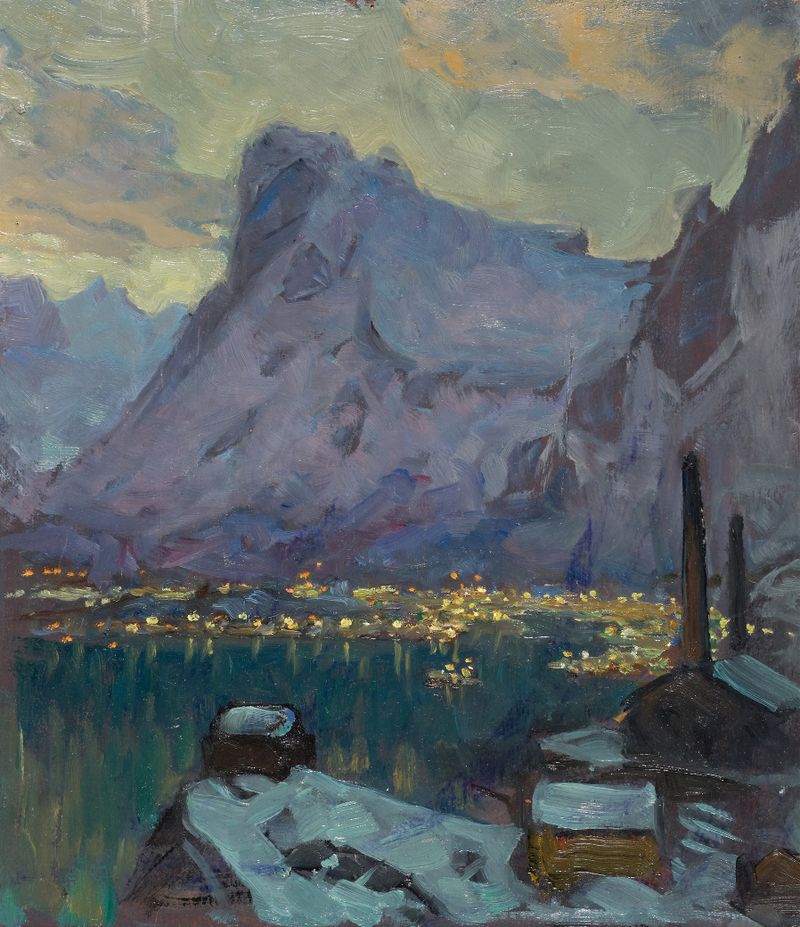
Svolvaer Harbour at the Height of the Fishing Season. Study from Lofoten
Anna Boberg
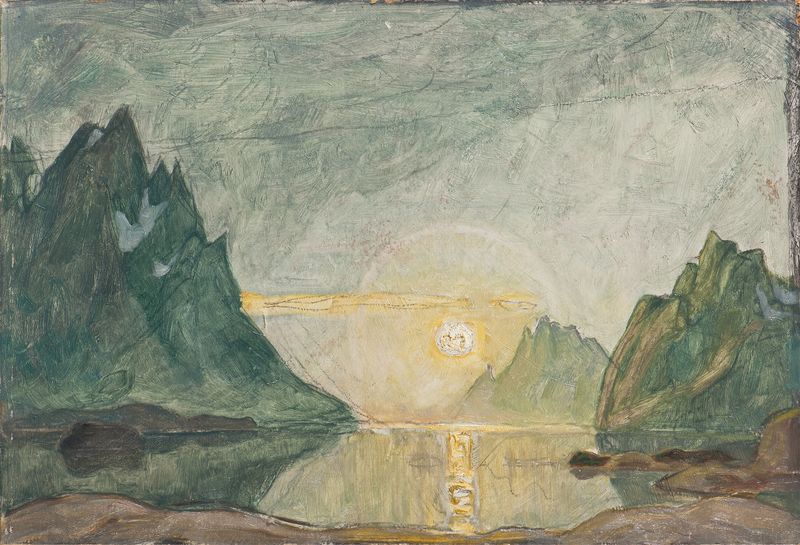
Midnight Sun. Study from North Norway
Anna Boberg
More Religious Art
Browse all →
The Return of the Prodigal Son
Rembrandt van Rijn

The Garden of Earthly Delights
El Bosco

Count Orgaz’ funeral
El Greco

The Hundred Guilder Print: the central piece with Christ preaching, the plate arched
Rembrandt van Rijn

The Descent from the Cross
Rogier van der Weyden

The return of the prodigal son
Rembrandt van Rijn