
Submontane landscape — History & Facts
What secret hides in the quiet of the canvas? The stillness of Submontane landscape beckons viewers to pause, to listen closely to the whispers of nature captured within its depths. Look to the foreground, where gentle undulations of land invite your gaze. The earthy palette of greens and browns dominates, yet subtle touches of light break through, illuminating patches of wildflowers that hint at life thriving in the silence. Notice how the artist balances sweeping, broad strokes with delicate, almost hesitant details in the foliage, creating a sense of harmony that feels both intimate and expansive.
The careful layering of colors draws the eye into the heart of the scene, suggesting a world both serene and teeming with quiet vitality. Delve deeper into the composition, where contrasts emerge—between light and shadow, movement and stillness. The juxtaposition of robust tree trunks with the soft, flowing hills evokes a tension that speaks to the fragility of nature's beauty. It’s a reminder that balance is not merely aesthetic; it is the very heartbeat of existence.
The shadows lurking at the edges suggest mysteries yet to be unveiled, while wisps of sunlight dance across the landscape, hinting at the transient nature of life itself. During the time Submontane landscape was painted, Jan Rembowski was immersed in the artistic dialogue of the late 19th century, where naturalism and impressionism converged. Working in Europe, he sought to encapsulate the essence of the landscapes around him, reflecting both the tranquility and complexities of the environment. While little is known about the specific circumstances of this piece, it stands as a testament to the era's fascination with depicting the natural world with both reverence and introspection.
More Artworks by Jan Rembowski
Browse all →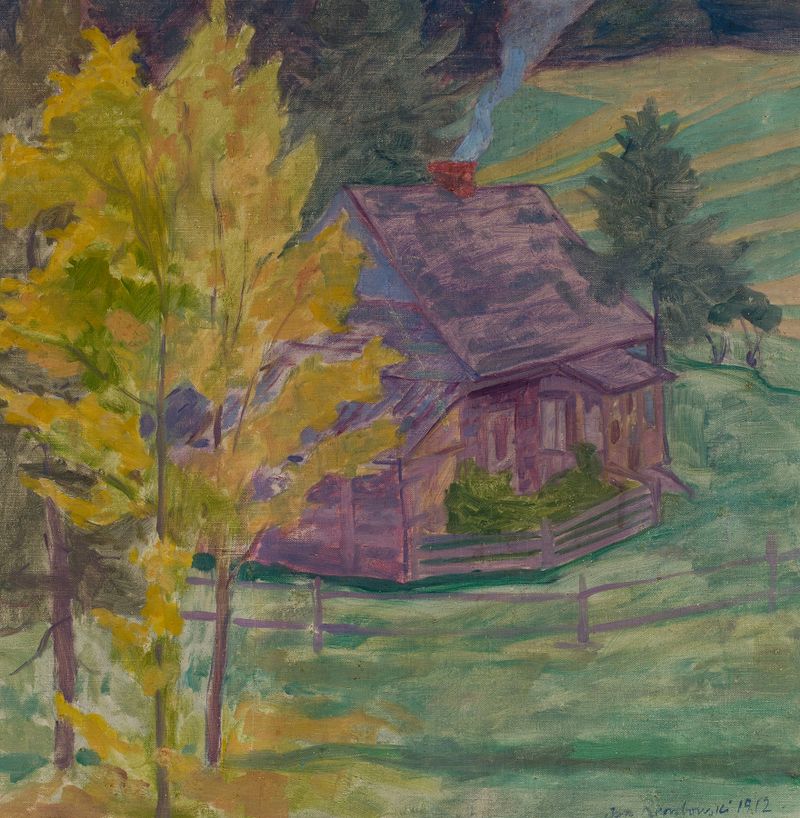
Landscape with a house among trees
Jan Rembowski

Landscape with a river
Jan Rembowski
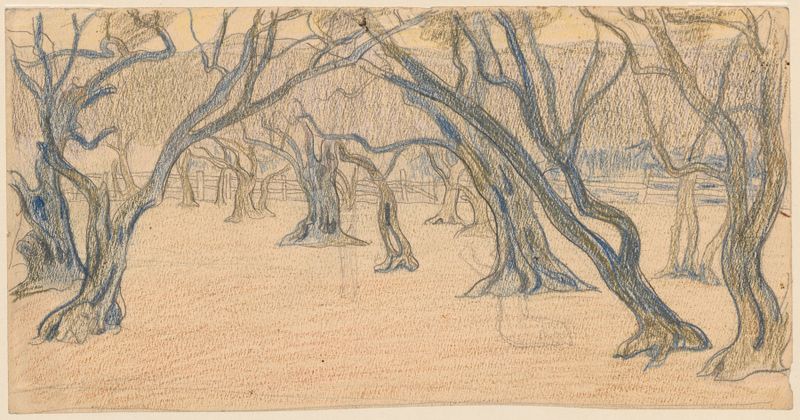
An alley of leafless trees
Jan Rembowski

Parapet of balcony with flower pots
Jan Rembowski
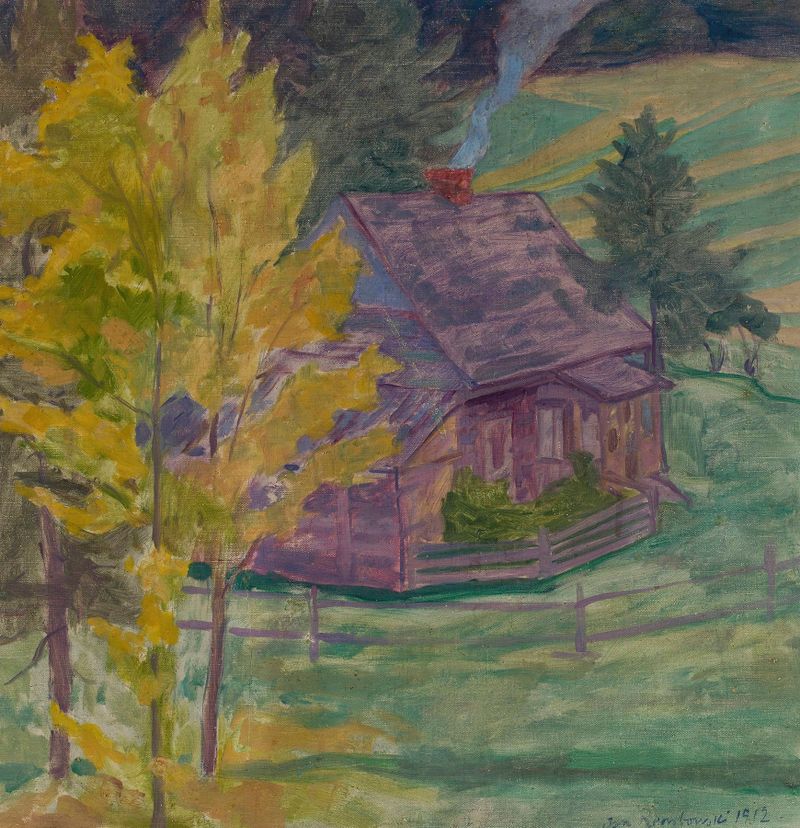
Landscape with a house among trees
Jan Rembowski

Landscape
Jan Rembowski

Fields
Jan Rembowski

Balcony with flower pots
Jan Rembowski

Landscape with a shrine
Jan Rembowski
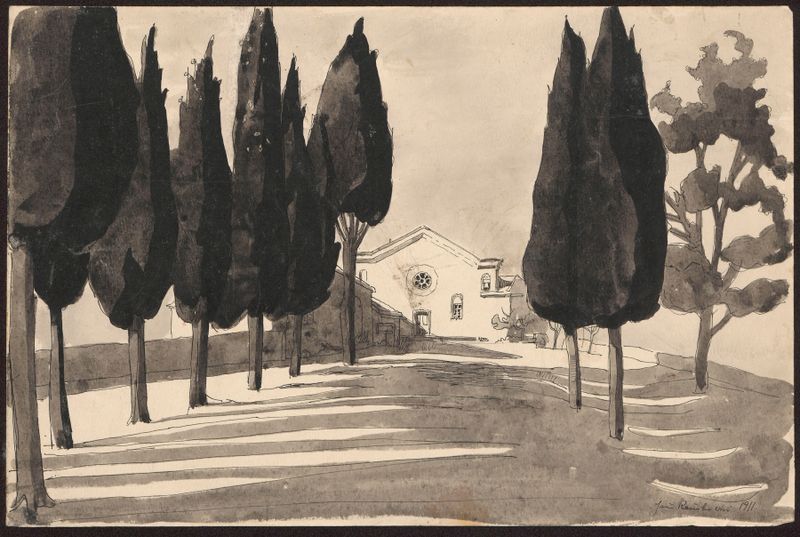
Landscape with an alley of trees leading to a church
Jan Rembowski





