Summer — History & Facts
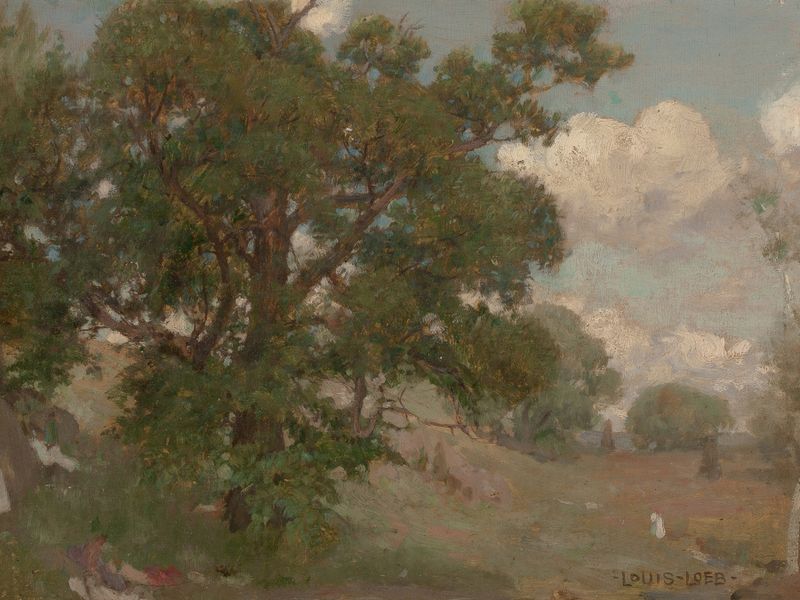
The canvas doesn’t lie — it simply waits. In the stillness of Summer, the promise of movement lingers, evoking the sensations of warmth and vitality that the season embodies. Look to the expansive fields, where the golden hues of sunlight dance across the canvas, inviting the viewer’s gaze to wander. Notice how the artist captures the gentle sway of grasses, their undulating forms suggesting a playful breeze.
The composition is layered, with soft strokes that merge colors seamlessly, creating a vibrant tapestry that breathes life into the scene. The brushwork feels spontaneous, yet deliberate, as if each stroke captures a fleeting moment just before it escapes. At first glance, the idyllic landscape seems serene, but deeper inspection reveals a dialogue between stillness and the impending vibrancy of life. The interplay of light and shadow hints at the passage of time, reminding us of the ephemeral nature of summer itself.
Each detail, from the distant hills to the delicate flowers, invites contemplation on nature’s cycles of growth and decay, a subtle reminder of the joy and sorrow intertwined within the season. In 1909, Loeb worked on Summer during a period marked by a growing interest in capturing the essence of everyday life and the surrounding landscape in American art. He found inspiration in the beauty of the natural world, reflecting the optimism of a nation on the cusp of modernity. The painting represents not only a personal exploration of the season but also a significant moment in the evolution of artistic expression during this era.