Summer Landscape — History & Facts
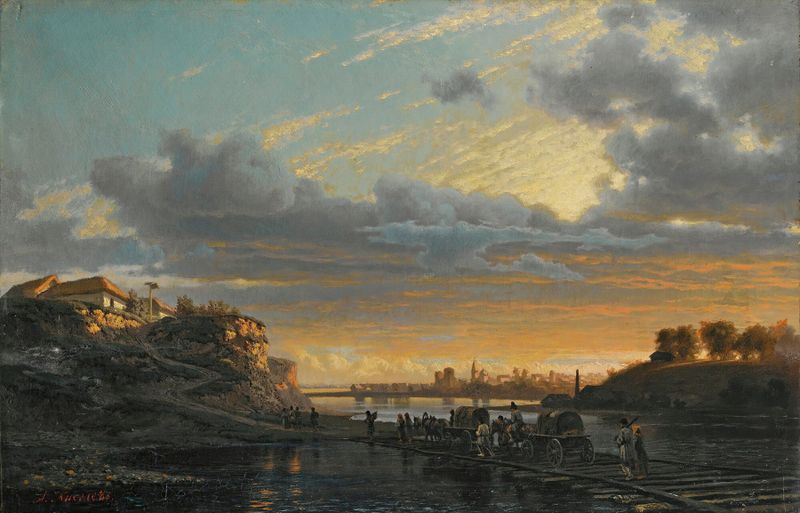
In this delicate interplay, the divine essence of nature emerges, inviting contemplation and reflection. Look to the horizon, where soft pastels seamlessly blend into the tender blue of the sky. Delicate brushstrokes depict wisps of clouds, while the sun bathes the landscape in a golden embrace. Notice how the lush green of the fields contrasts with the gentle browns of the trees, each element meticulously placed to draw the eye toward the tranquil expanse of land that stretches into infinity.
The horizon feels both expansive and inviting, a promise of peace found within nature’s embrace. Yet, lurking beneath this serene façade is a palpable tension. The juxtaposition of vibrant greens against muted earth tones evokes a sense of divine harmony disrupted by the inevitability of change. The silence of the scene whispers a narrative of fleeting moments, where beauty is both eternal and ephemeral, urging viewers to reflect on their own place within this verdant landscape.
Each detail, from the gentle curves of the hills to the light dappling through the leaves, sparks a profound connection to the divine essence of nature. In 1895, amidst the burgeoning Russian impressionist movement, the artist captured this tranquil scene during a period rich with exploration and artistic evolution. Living and working in Russia, Kiselev was deeply influenced by the beauty surrounding him, as well as the cultural shifts of the time. This painting serves as a testament to his ability to merge technical skill with emotional depth, capturing a timeless quality that resonates with viewers even today.