
Sundown — History & Facts
In this quiet moment of revelation, one realizes that art can capture ephemeral ecstasy, allowing us to linger at the edge of beauty. Look to the horizon in Sundown, where the sun dips low, pouring molten gold and deep crimson onto the canvas. Notice how Gifford masterfully blends colors, allowing them to intertwine, creating a luminous sky that seems to breathe. The silhouettes of distant mountains draw the eye, inviting you to explore the depths of their shadows against the glowing backdrop.
Each brushstroke whispers of nature's fleeting majesty, inviting viewers to pause and experience the profound stillness of twilight. Embedded within this enchanting scene is a juxtaposition of light and darkness—an eternal dance of joy and melancholy. The warm hues symbolize the ecstasy of day’s end, yet the encroaching shadows hint at the inevitability of night. This duality reflects the transient nature of beauty itself, suggesting that moments of joy are often intertwined with the specter of loss.
These delicate contrasts invite contemplation on the cycles of life, encouraging an emotional resonance that transcends the visual. In 1863, Gifford was deeply engaged in the Hudson River School movement, known for its celebration of American landscapes. As the nation was embroiled in the Civil War, the artist sought solace in creating serene depictions of nature that spoke to the soul’s desire for peace and beauty amidst chaos. This work captures not just a moment in time, but a broader yearning for harmony in a turbulent world.
More Artworks by Sanford Robinson Gifford
Browse all →
Twilight in the Catskills
Sanford Robinson Gifford
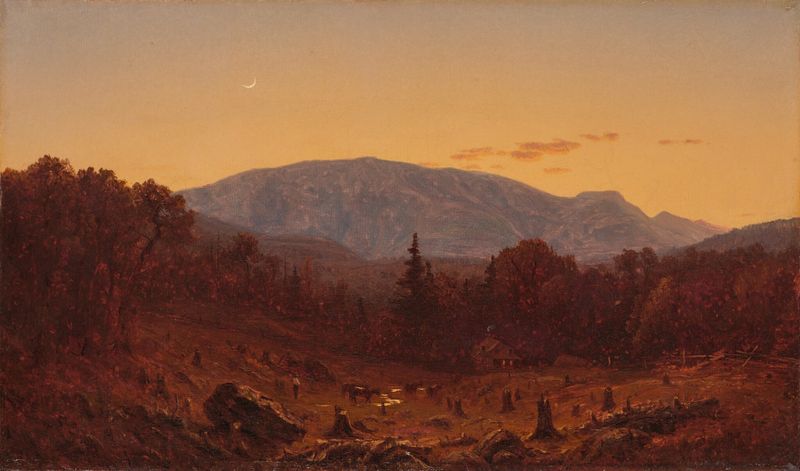
Twilight on Hunter Mountain
Sanford Robinson Gifford

Kauterskill Clove, Catskill Mountains
Sanford Robinson Gifford

Kauterskill Clove, Catskill Mountains
Sanford Robinson Gifford
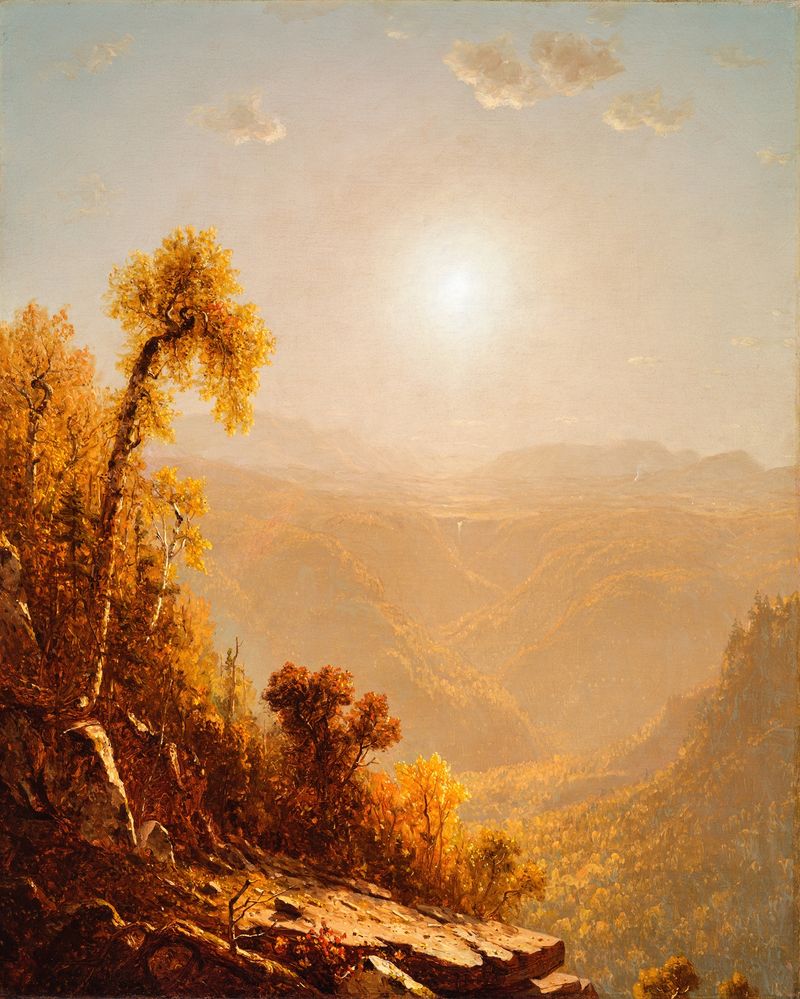
October in the Catskills
Sanford Robinson Gifford
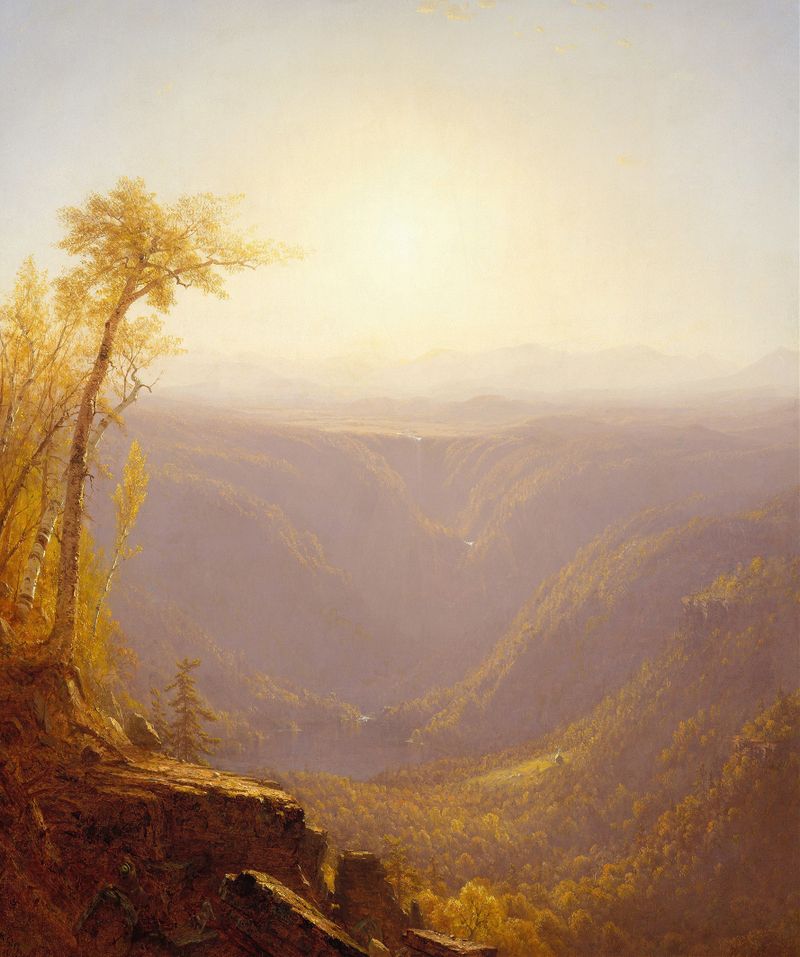
A Gorge in the Mountains (Kauterskill Clove)
Sanford Robinson Gifford
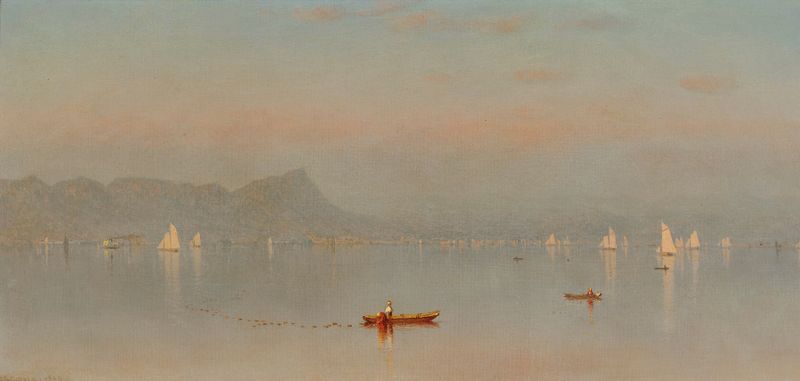
Haverstraw Bay (Shad Fishing On The Hudson)
Sanford Robinson Gifford

The Mouth of the Shrewsbury River
Sanford Robinson Gifford
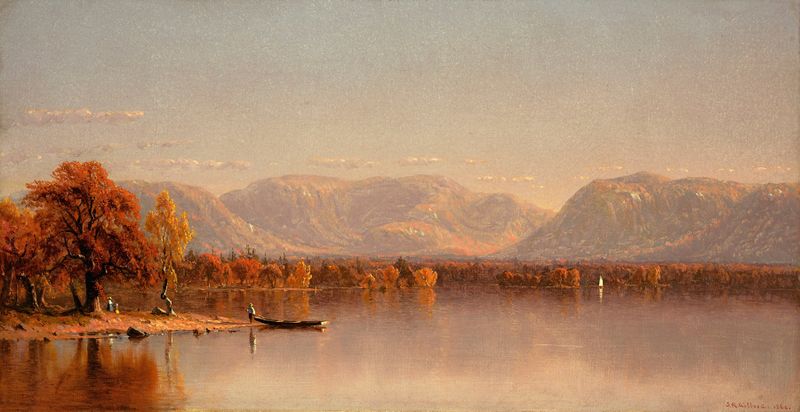
Lake Sunapee, New Hampshire
Sanford Robinson Gifford
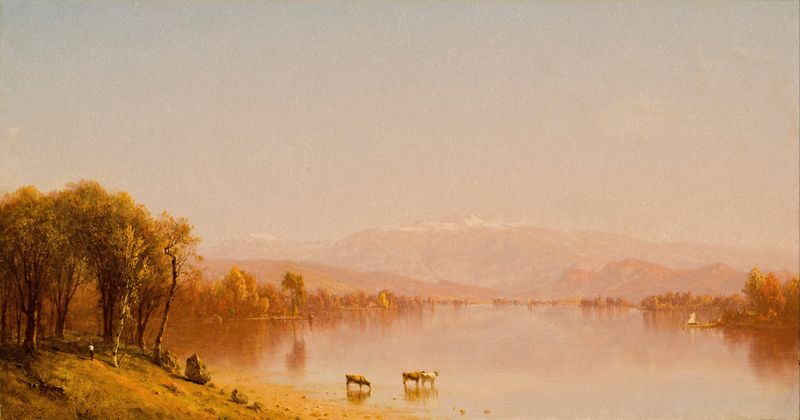
Indian Summer in the White Mountains
Sanford Robinson Gifford





