Sunset on the Kikowhakarere Gorges, at Coromandel — History & Facts
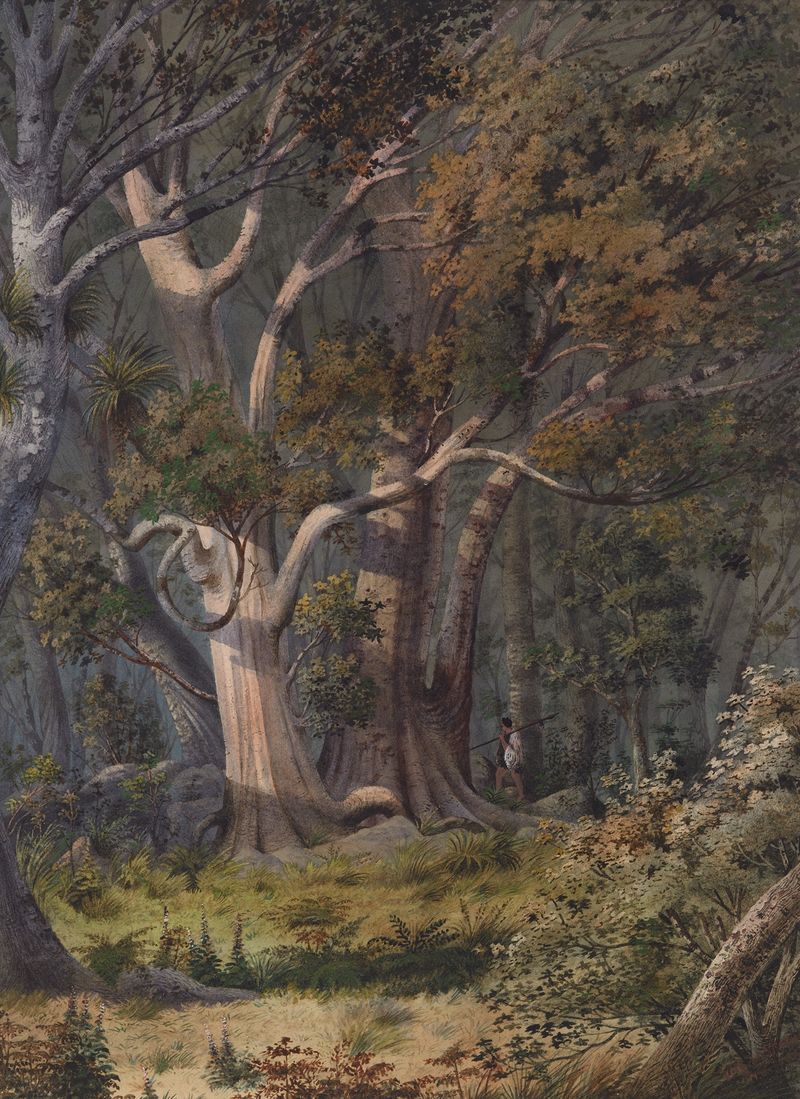
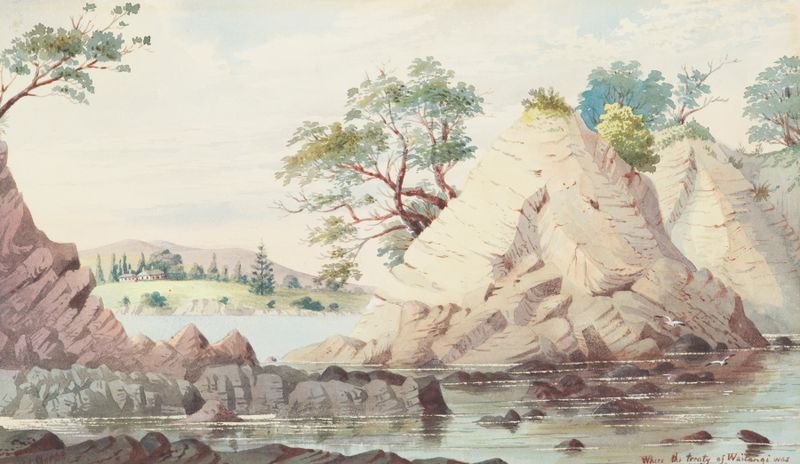
Who listens when art speaks of silence? In Sunset on the Kikowhakarere Gorges, at Coromandel, the stillness of dusk conveys stories of decay and transformation, evoking a quiet introspection that lingers long after the gaze has shifted. Look to the left at the deep ochres and burnt siennas that envelop the gorges, their rugged textures expertly rendered with swift, deliberate strokes. The sun dips below the horizon, casting a golden glow that dances across the water's surface, illuminating the jagged rocks that frame the scene. Notice how the light interacts with the shadows, each contrasting hue adding depth and creating a palpable sense of time, as if the landscape breathes in the twilight hour. Yet, beneath the tranquil beauty lies a tension of impermanence.
The gorges, stoic yet eroded, whisper of a time when they were more formidable, their gradual decay mirroring the fading light. The interplay of warm and cool tones suggests both the warmth of the setting sun and the chilling approach of night, a poignant reminder of nature's cyclical dance between life and decline. Each brushstroke hints at the inevitability of change, urging the viewer to contemplate their own relationship with time. In 1881, Sharpe painted this work during a period rich with exploration and fascination of the New Zealand landscape.
Living in Coromandel, he captured the essence of his surroundings, a time when artists began moving away from romanticism towards a more direct observation of nature. His work resonates with the spirit of discovery prevalent in the art world, as well as the personal journey he embarked upon, reflecting the remarkable, yet fragile beauty of the world around him.