Suzuribako met deksel — History & Facts
What secret hides in the quiet of the canvas? A simple box, yet it whispers of transformation and rebirth, inviting viewers to ponder what lies beneath its surface. Look to the center where the elegantly crafted suzuribako, or ink box, rests, its polished wooden surface gleaming with a soft glow. The intricate designs on its lid draw the eye, revealing a tapestry of nature in delicate hues of gold and green. Notice how the artist’s meticulous brushwork creates a sense of depth, almost as if the flora is alive and breathing, while shadows play around the edges, hinting at an unseen world beyond the box. Beneath the surface beauty, the suzuribako symbolizes the act of creation itself—every stroke and detail a reminder of the potential held within this seemingly mundane object.
The seamless blend of simplicity and intricacy reflects the tension between the ordinary and the extraordinary, suggesting that rebirth can emerge from the quietest moments. The box serves as a vessel, both literal and metaphorical, evoking the idea that every creation harbors within it the promise of renewal and fresh beginnings. This artwork emerged during a time of artistic flourishing in Japan, between 1775 and 1800. The unknown artist reflects the Edo period’s embrace of craftsmanship and beauty in everyday objects, a movement that celebrated both artistry and utility.
As Japan opened to new influences while holding onto its traditions, this piece encapsulates the spirit of rebirth that defined the era, where even the simplest items were imbued with profound meaning.
More Artworks by Unknown Artist
Browse all →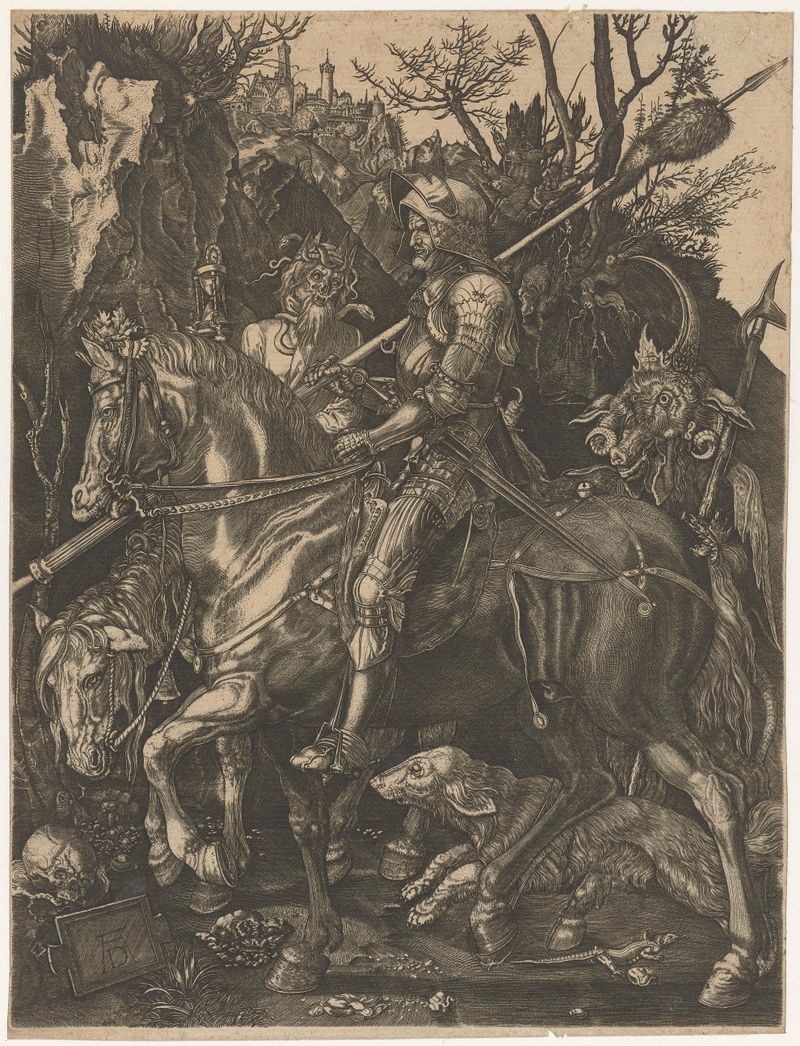
Ridder, Dood en Duivel
Unknown Artist
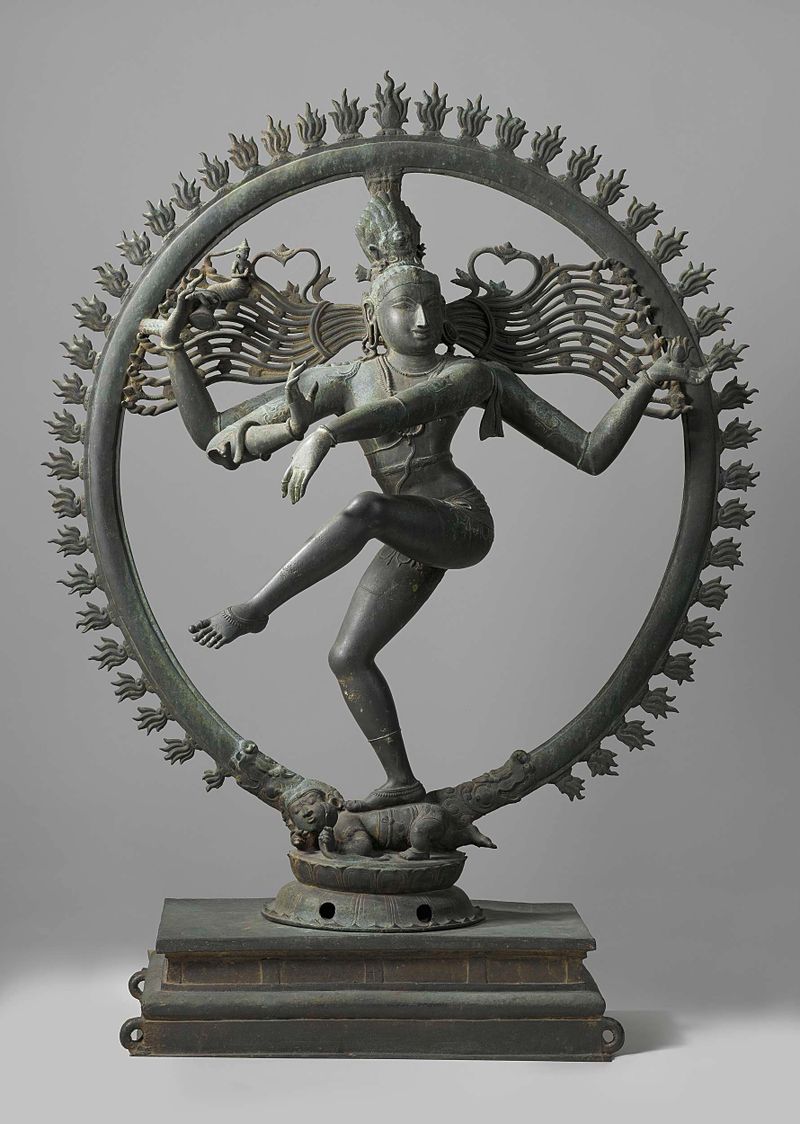
Shiva Nataraja
Unknown Artist

Portrait of Elizabeth I, Queen of England
Unknown Artist
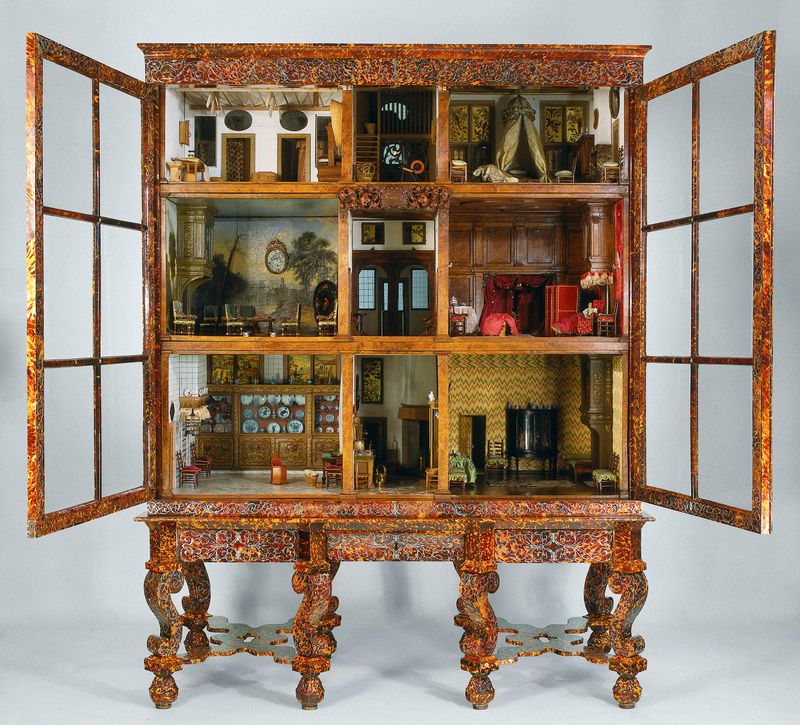
Dolls’ house of Petronella Oortman
Unknown Artist
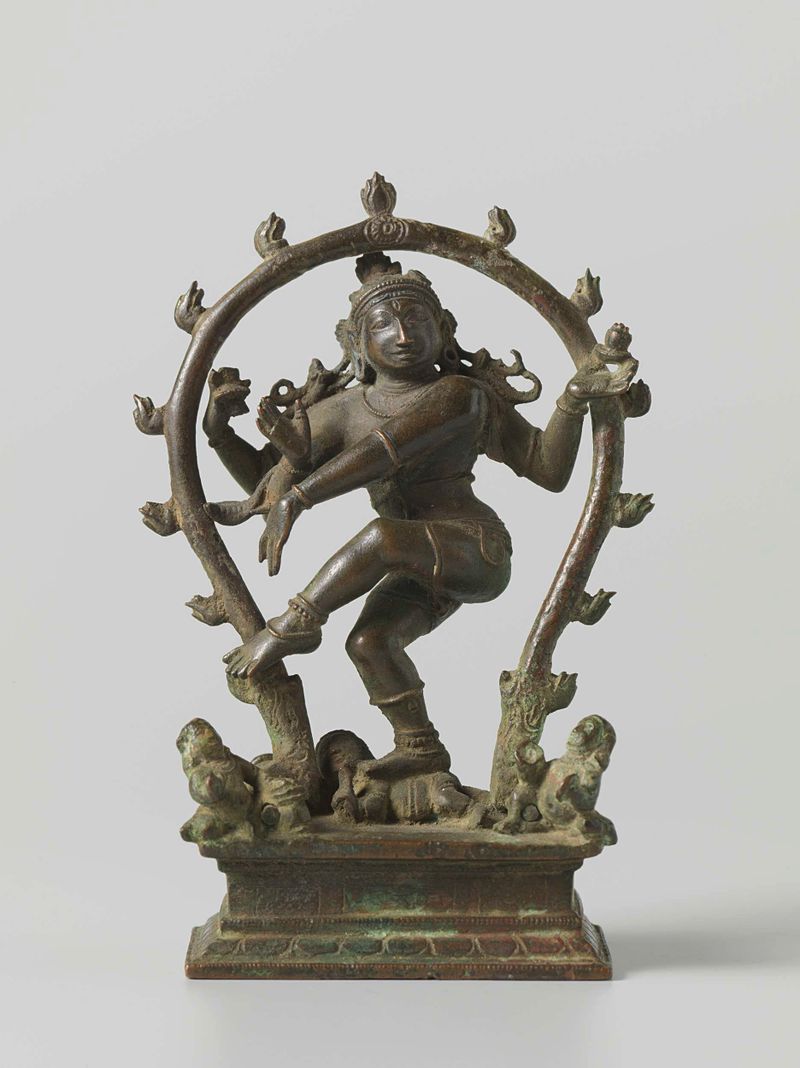
Shiva Nataraja
Unknown Artist

The Tale of Genji
Unknown Artist

The Tale of Genji
Unknown Artist
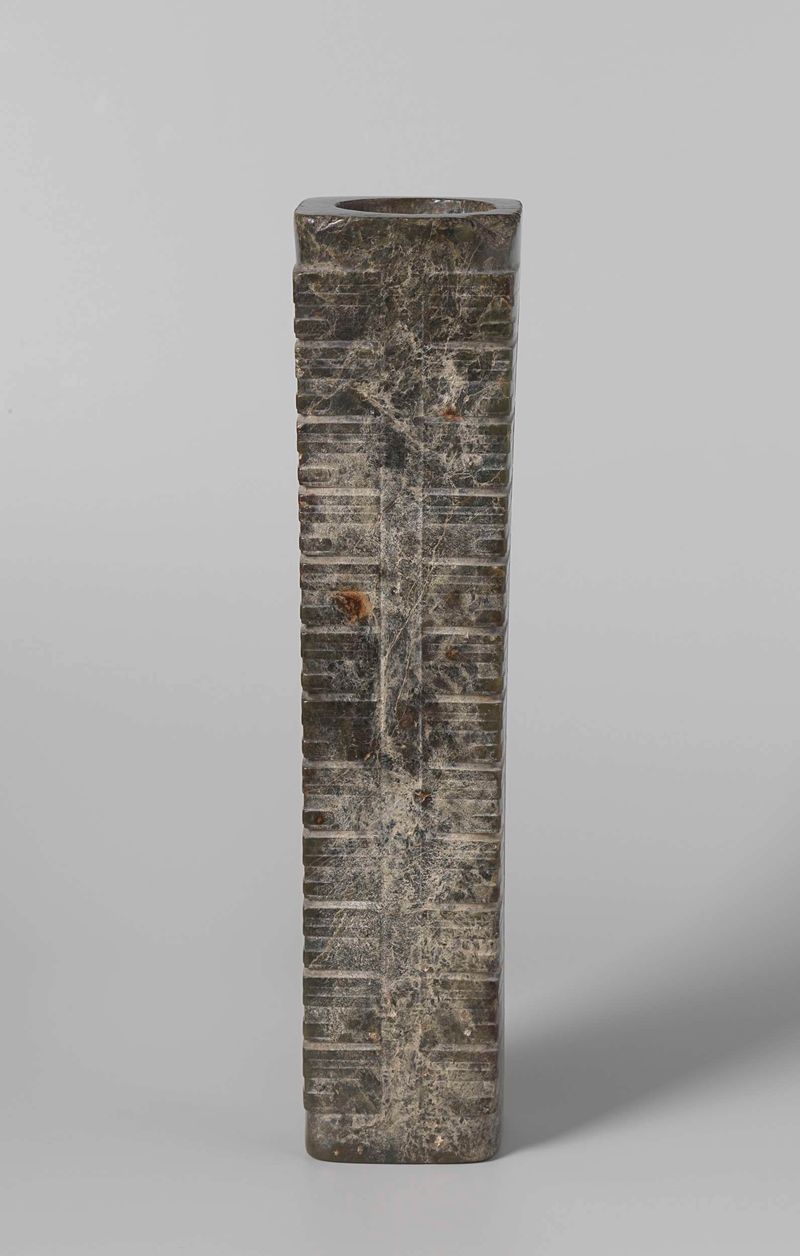
Cong
Unknown Artist
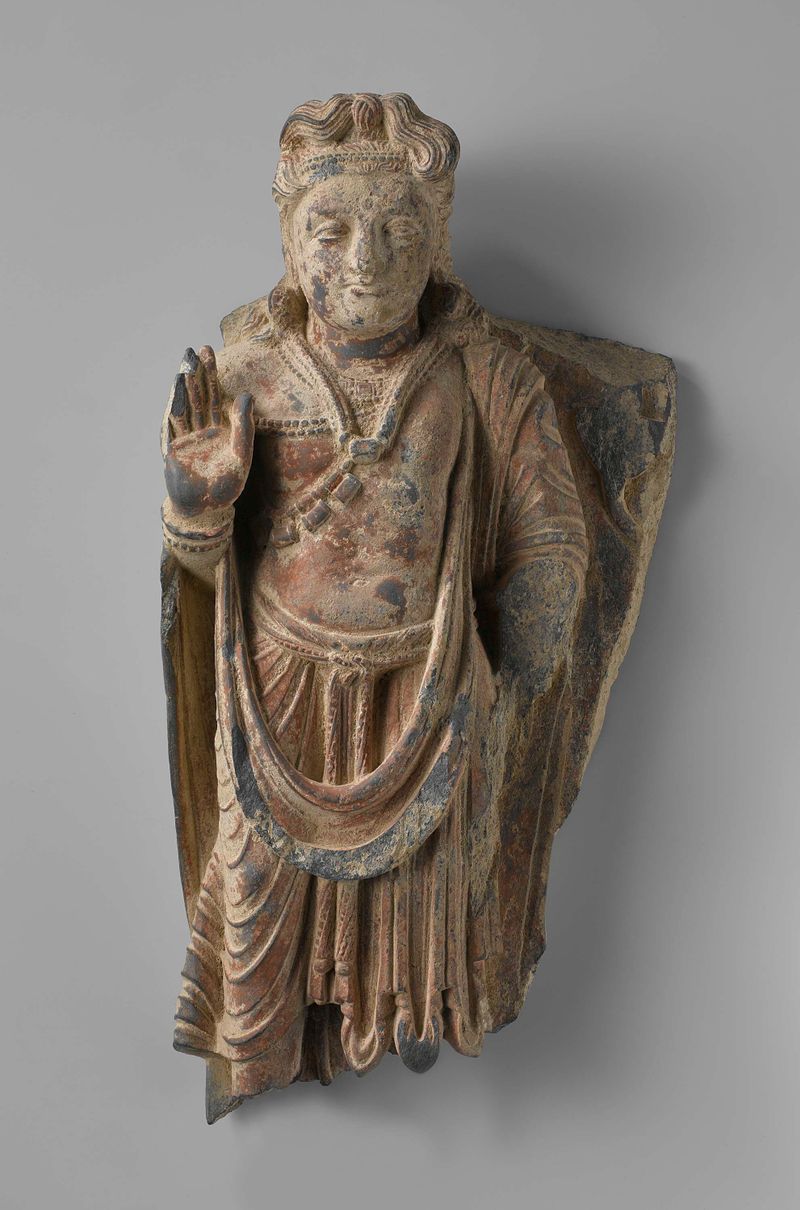
The bodhisattva Maitreya
Unknown Artist
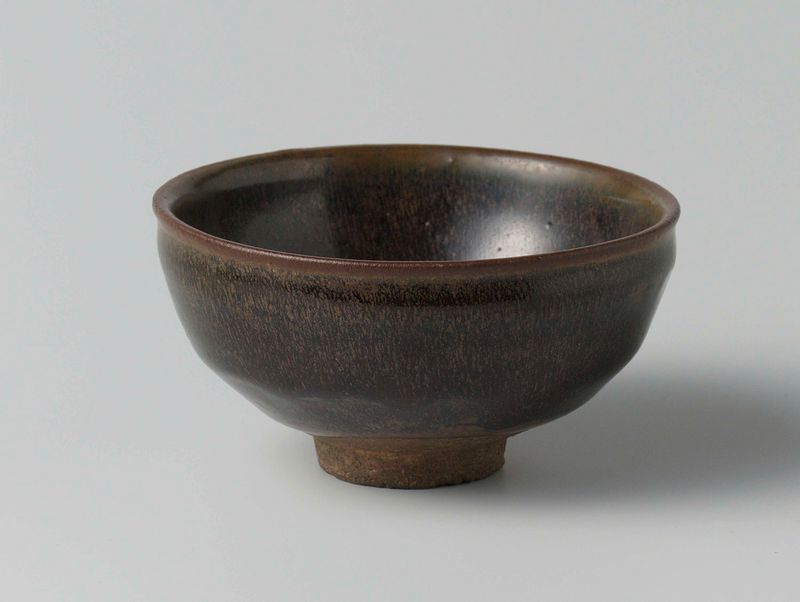
Teabowl with a 'hare's fur' glaze
Unknown Artist