
Svendborg — History & Facts
Where does light end, and longing begin? In the delicate interplay of dusk and decay, a sense of yearning emerges, beckoning us to contemplate our fleeting existence. Look to the right at the soft, golden light spilling across the landscape, bathing it in a gentle warmth that contrasts with the encroaching shadows of twilight. The palette is a soft blend of ochres and browns, a testament to the artist's keen awareness of nature’s changing moods. The composition draws the eye toward the distant horizon, where decay subtly announces itself through the crumbling structures and overgrown vegetation, whispering stories of past lives and moments lost in time. As you delve deeper, notice how the serene waters reflect the fading sky, creating a mirror of memories that evoke both nostalgia and melancholy.
The gentle ripples suggest movement, a reminder that time flows relentlessly, while the abandoned buildings stand resolutely, embodying both decay and resilience. This tension between life and abandonment speaks volumes about the transient beauty of our surroundings and the inevitability of change. Søren L. Lange created Svendborg during a period marked by shifting artistic ideals in Denmark, between 1759 and 1827.
The neoclassical influences of his time grappled with the burgeoning romantic movement, urging artists to explore emotion and nature more profoundly. Lange, amidst this transition, sought to capture not just the beauty of landscapes but their poignant narratives, reflecting both the personal and collective histories of a world in slow dissolution.
More Artworks by Søren L. Lange
Browse all →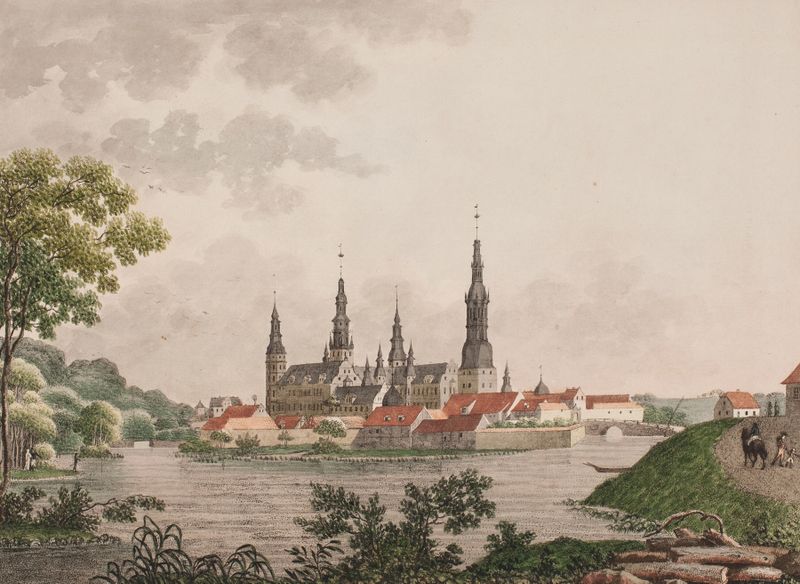
Prospekt af det kongelige slot Frederiksborg på Sjælland
Søren L. Lange
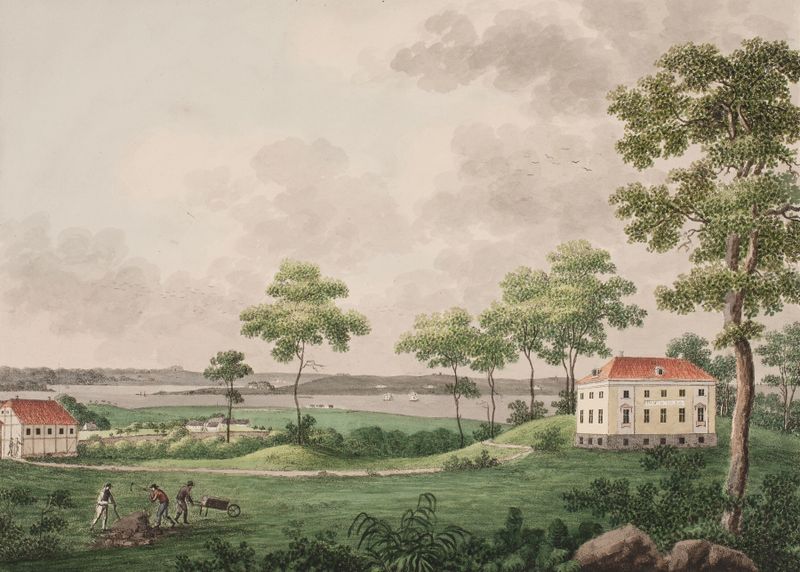
Udsigt af en Parcelle ved Grønsund på Falster under det Classenske Agerdyrknings Institut
Søren L. Lange
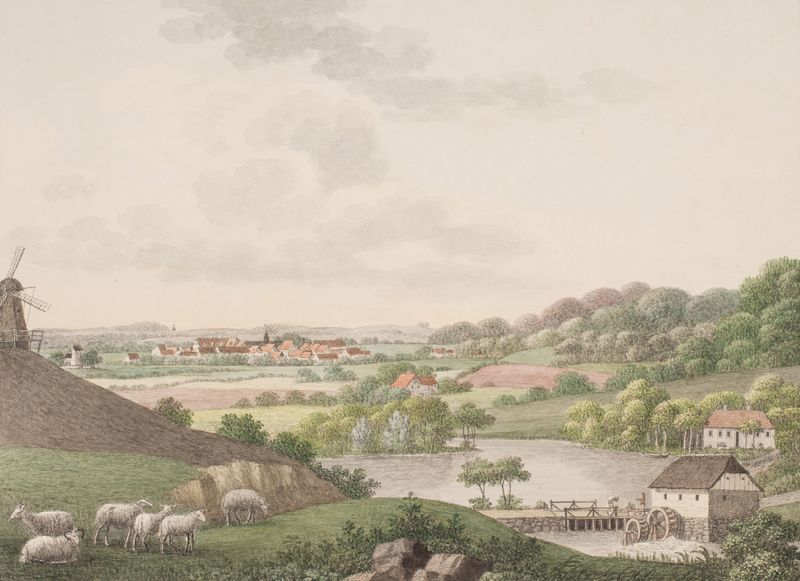
Christiansfeld, fra den østlige side
Søren L. Lange
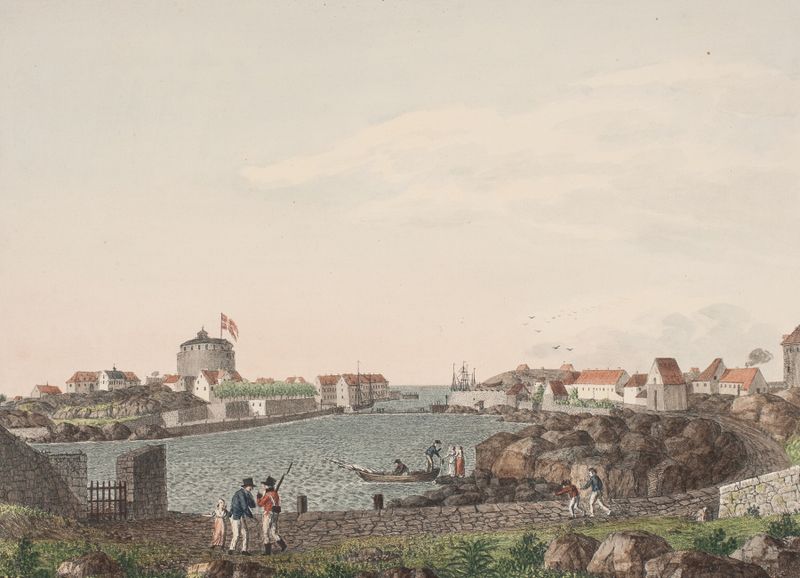
Christiansø. Nordhavnen
Søren L. Lange
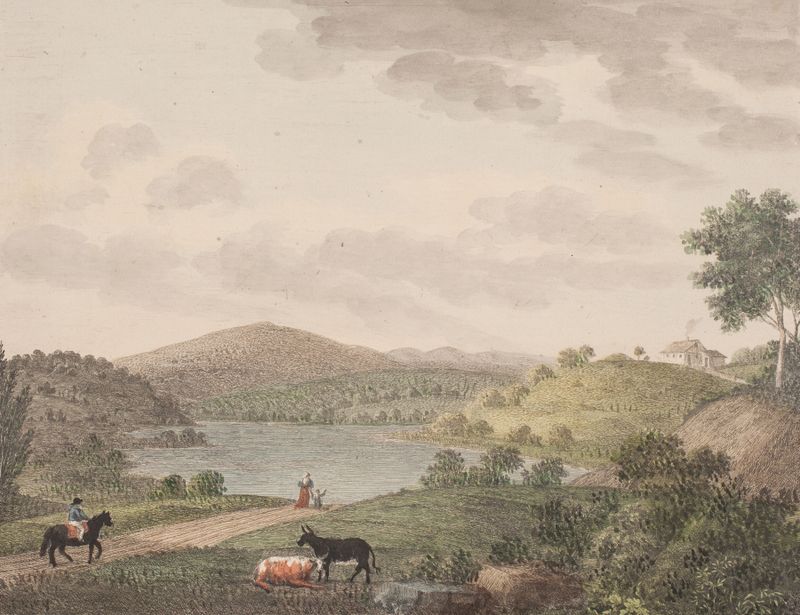
Aborrebjerget. En udsigt på Møn
Søren L. Lange
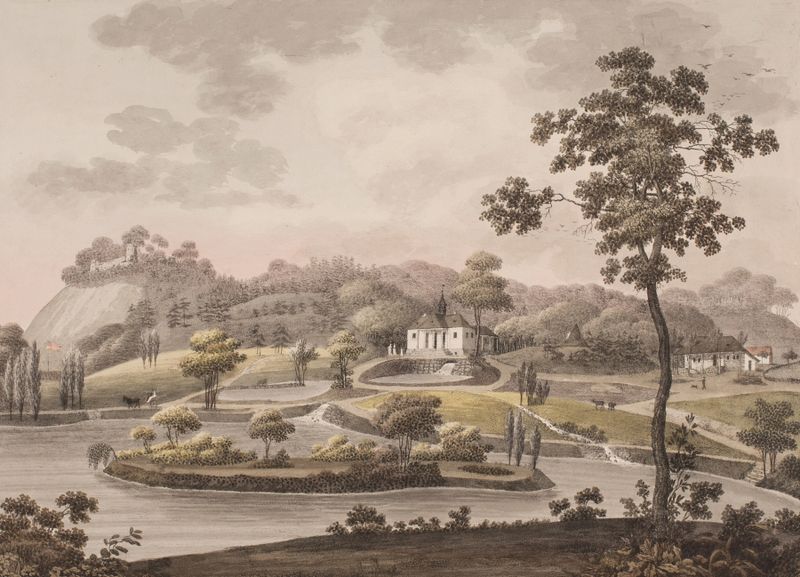
Liselund på Møn i Danmark
Søren L. Lange
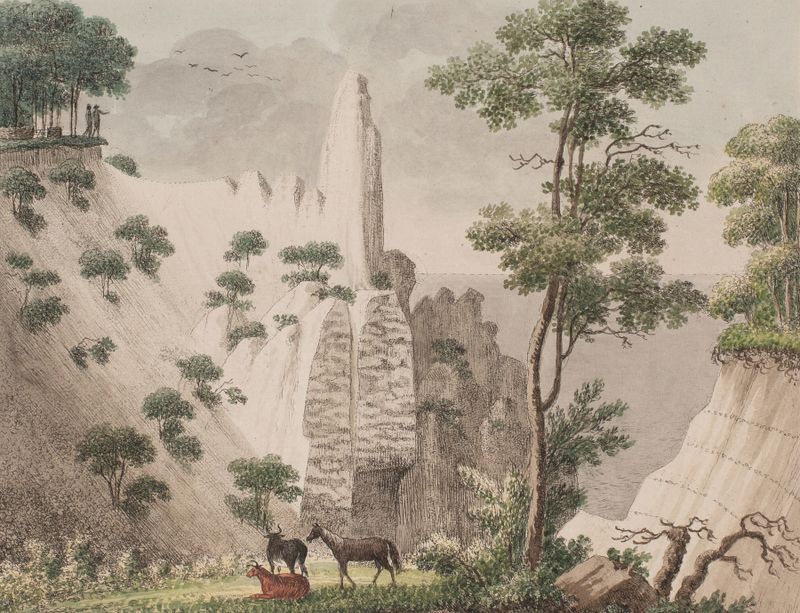
Udsigt af Sommerspiret i kridtbjergene på Møn
Søren L. Lange
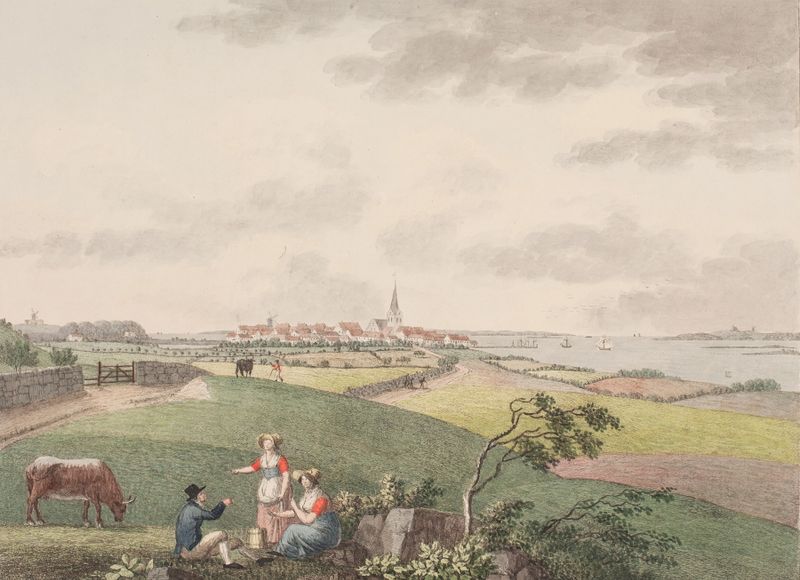
Rudkøbing på Langeland
Søren L. Lange
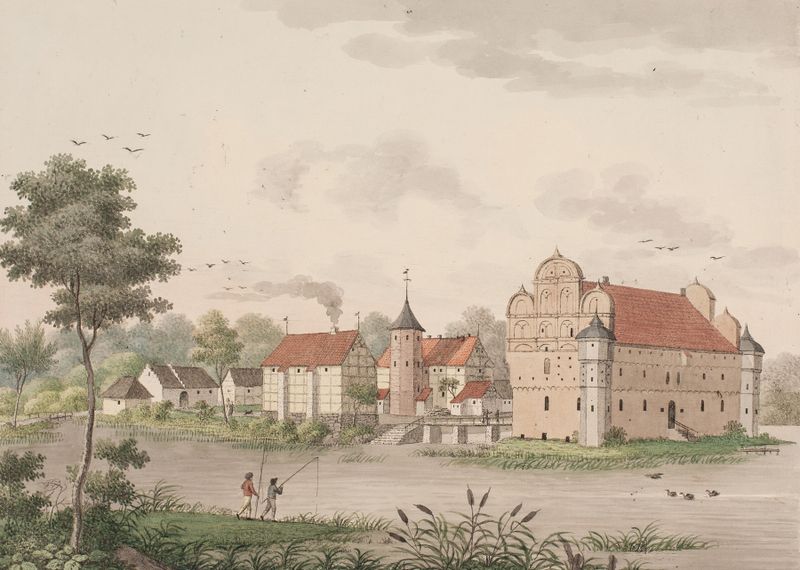
Hesselagergaard på Fyn
Søren L. Lange
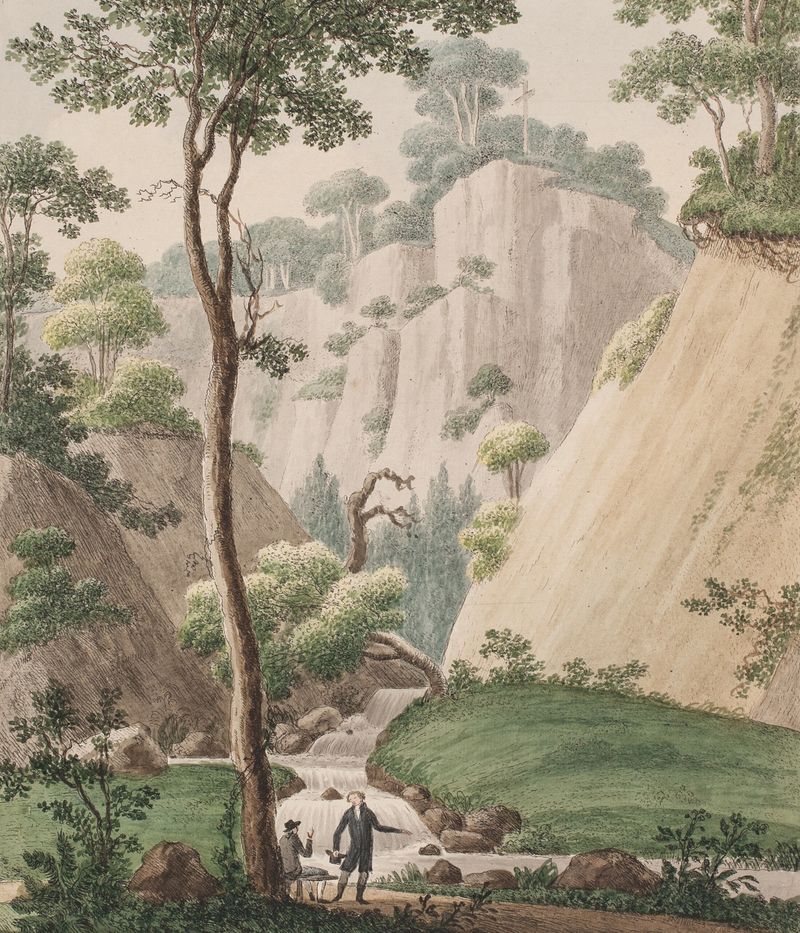
En udsigt ved Liselund på Møen
Søren L. Lange





