Table screen — History & Facts
Who listens when art speaks of silence? In the delicate folds and shadows of this 18th-century table screen, the whispers of mortality linger, inviting a contemplative gaze. Look closely at the intricate patterns that weave across the surface; they guide your eye through scenes of nature and human interaction. Focus on the subtle hues of green and gold, evoking the lush vitality of life even as it hints at its transience. Notice how the meticulous craftsmanship captures not just images, but also the passage of time, as the serene figures seem to stand still within a world that is ever-changing. The screen presents contrasts that resonate deeply: the vibrancy of life depicted in the floral motifs against the stark realization of its impermanence.
Each scene unfolds a narrative as if to remind the viewer that beauty is fleeting, nestled between the joy of existence and the inevitability of loss. The choice of materials and the craftsmanship speak to the artist's understanding of both artistic legacy and the ephemerality of life, intertwining them in a visual dialogue. Created around 1750, this work emerged in a period marked by a growing interest in domesticity and personal reflection in art. The unknown artist likely operated amidst the flourishing rococo style, where ornamentation and elegance prevailed, yet also, perhaps, with an awareness of the transient nature of the human experience, encapsulating both beauty and mortality in the fabric of their creation.
More Artworks by Unknown Artist
Browse all →
Ridder, Dood en Duivel
Unknown Artist
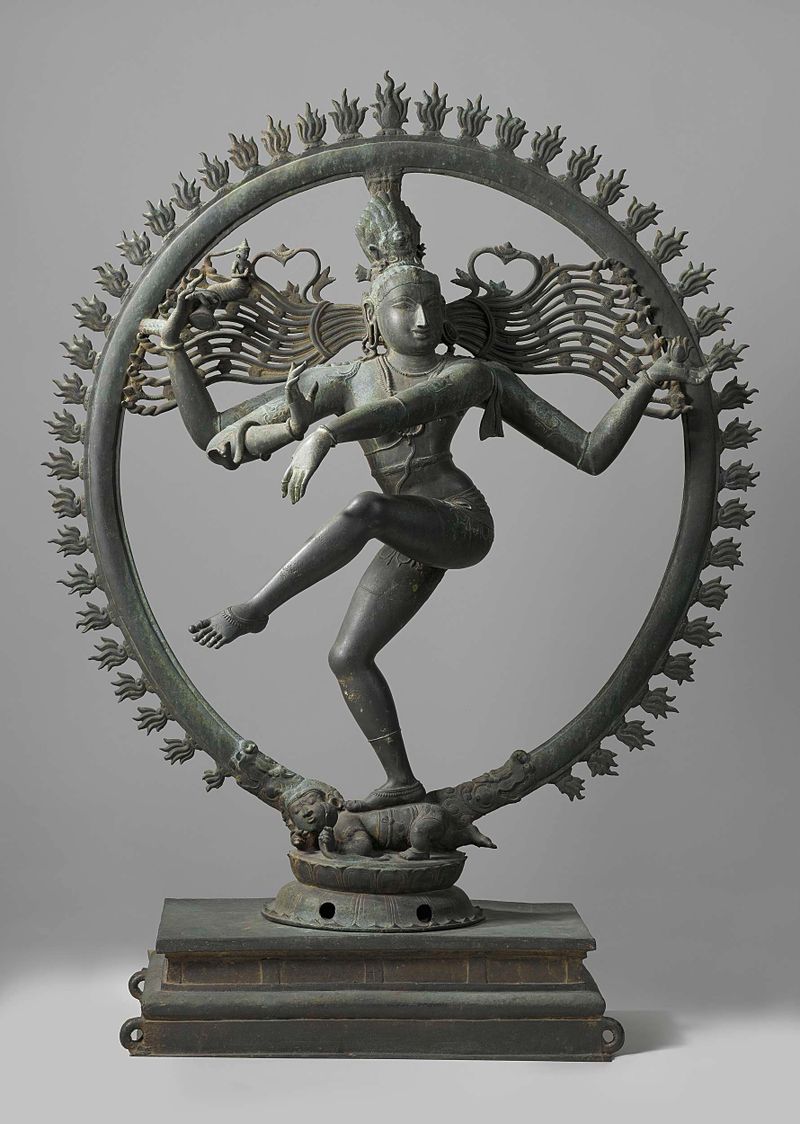
Shiva Nataraja
Unknown Artist

Portrait of Elizabeth I, Queen of England
Unknown Artist
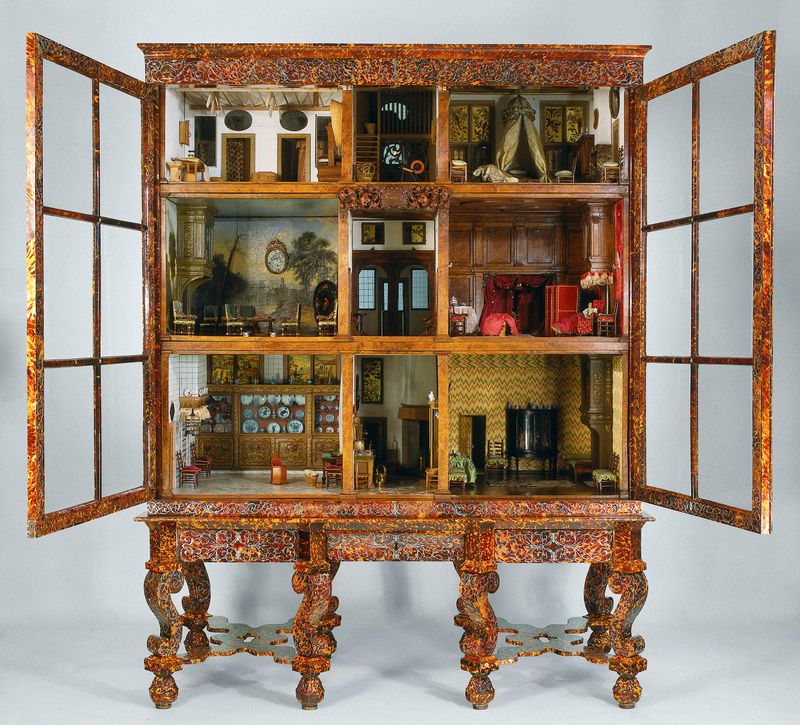
Dolls’ house of Petronella Oortman
Unknown Artist

Shiva Nataraja
Unknown Artist

The Tale of Genji
Unknown Artist

The Tale of Genji
Unknown Artist

Cong
Unknown Artist
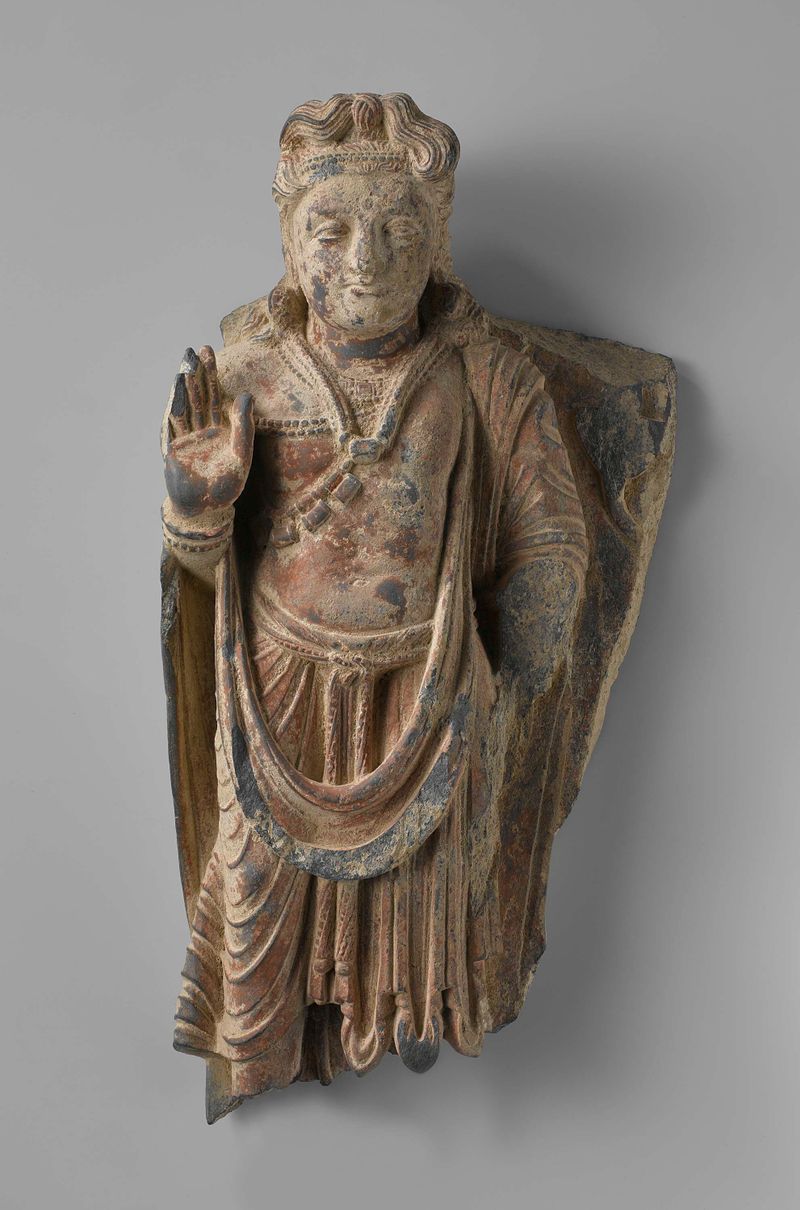
The bodhisattva Maitreya
Unknown Artist

Teabowl with a 'hare's fur' glaze
Unknown Artist