Tafellaken — History & Facts
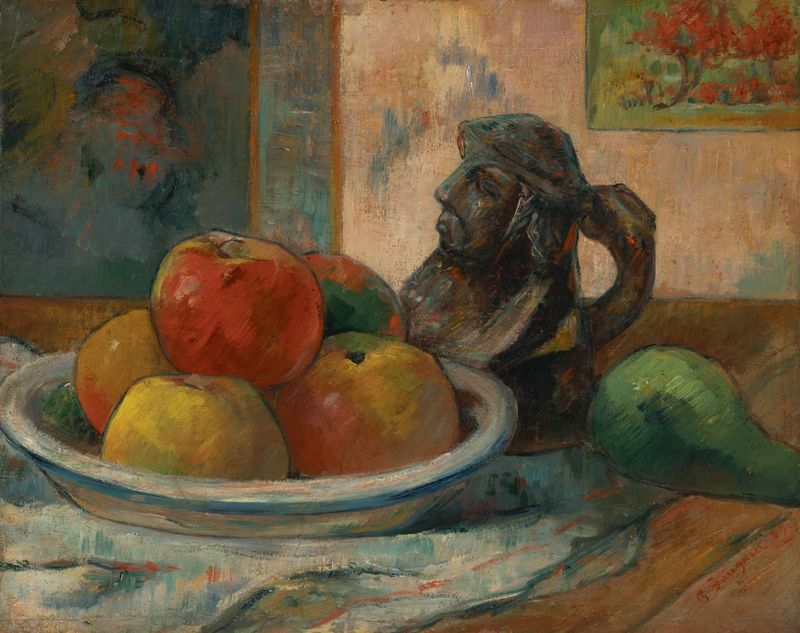
What if silence could speak through light? The gentle dance of illumination across the fabric in this 1722 piece invites contemplation, revealing a world of movement within stillness. Look to the center of the canvas, where a beautifully arranged tablecloth exudes life despite its quiet demeanor. The artist captures the intricate folds and drapes, their form enhanced by a delicate play of light and shadow. Notice how the soft, yet vibrant colors interlace, each hue breathing life into the fabric.
The careful attention to detail in the texture evokes a tactile experience, urging the viewer to imagine the sensation of fingers brushing against its surface. Upon closer inspection, one finds subtle contrasts that deepen the narrative. The tablecloth, a symbol of hospitality, juxtaposes the stillness of the setting with an implied action, hinting at a recent gathering or the anticipation of one. The thoughtful arrangement of items on the table suggests an untold story, each object quietly waiting to fulfill its purpose.
This tension between the mundane and the extraordinary invites reflection on the fleeting moments of everyday life. Created in 1722, this artwork reflects an era when artists began to explore the interplay of light and shadow more deeply, emerging from the constraints of rigid composition. The unknown artist painted this piece during a time of significant change in Europe, as the Baroque style was transitioning into the more restrained aesthetics of the Rococo. This shift not only influenced the visual language of the time but also opened new avenues for capturing the essence of life through art.