Tafellaken — History & Facts
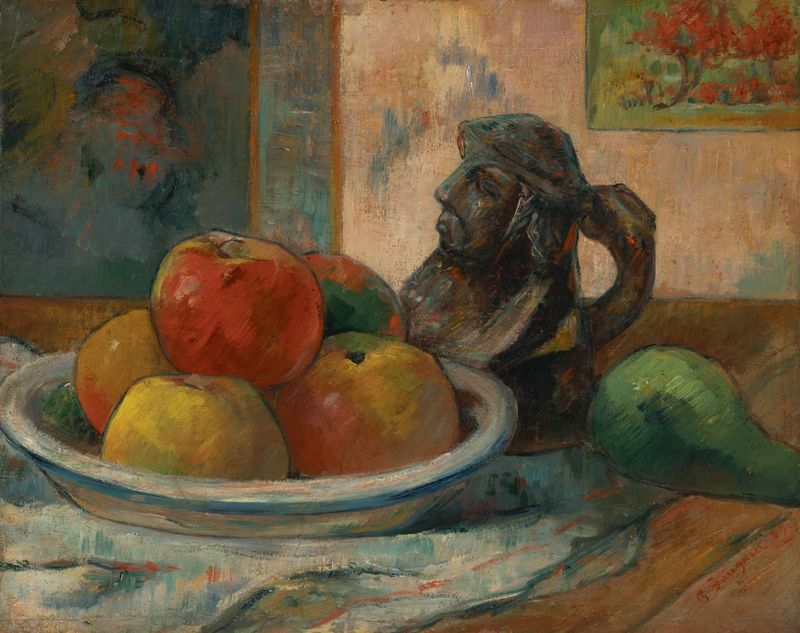
This delicate balance invites us to explore the layers of existence that often go unnoticed. How do the muted tones of a canvas speak louder than the vibrant explosion of a sunset? In the quietude of art, concealed truths await discovery, patiently poised for those willing to look deeper. To begin your exploration, focus on the intricate textures of the tablecloth, which serves as the centerpiece of the composition. Notice the way soft light caresses the fabric, casting gentle shadows that add depth and dimension.
The subtle interplay of whites and browns creates a dialogue between simplicity and elegance, leading your gaze to the carefully arranged objects that sit atop this elegant drapery. Each element is placed with intention, telling a story that unfolds beneath the surface. As you delve further, consider the selected objects displayed upon the cloth. Each holds a duality—a juxtaposition of the mundane and the profound.
The seemingly ordinary vessels whisper of a shared domestic life, yet they evoke a sense of nostalgia and longing, hinting at stories untold. The stillness captured in this moment raises questions about the passage of time and the unnoticed beauty surrounding our daily lives, inviting reflection on what it means to truly see. This artwork emerged in the early 17th century, during a period that saw a burgeoning interest in still life among Northern European artists. The artist, though unknown, likely painted it in a domestic setting, where the rich textures and simple objects reflect the cultural shifts of the time.
As the world moved towards modernity, such works captured fleeting moments, revealing the significance of everyday life that remains relevant to this day.