Tafellaken — History & Facts
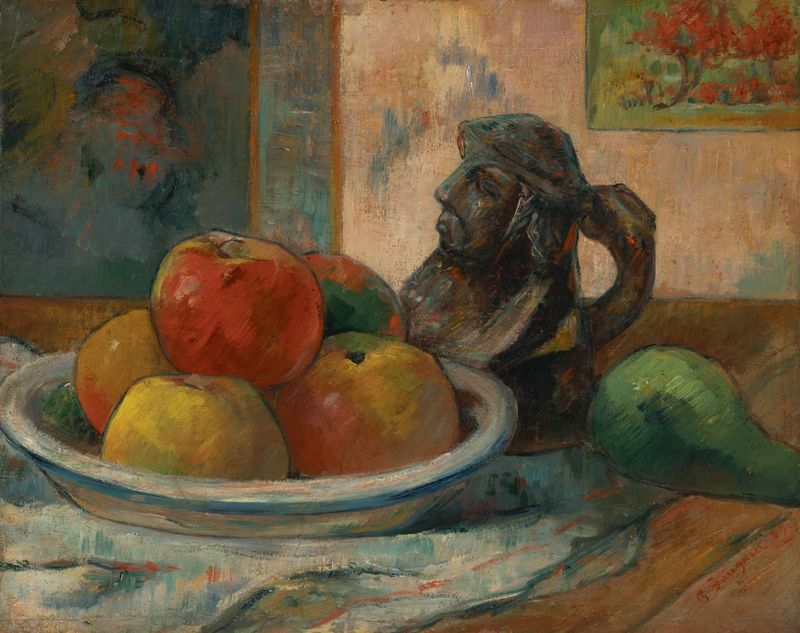
What secret hides in the quiet of the canvas? A stillness lingers, weighted with the unspoken, inviting contemplation and evoking an ache of nostalgia. Look to the center of the composition, where a richly embroidered tablecloth unfurls, its intricate patterns weaving tales of domestic life. The muted palette—earthy browns and soft creams—contrasts with subtle flashes of color that suggest warmth and intimacy. Notice how the light delicately caresses the fabric, casting gentle shadows that play upon its surface, creating a sense of depth and texture that draws the viewer in. Yet, beneath the surface beauty, there lies a poignant contrast.
The lavishness of the tablecloth bespeaks prosperity, while the sparse arrangements of objects hint at a tangible absence—a missing meal, a deserted gathering. Each stitch seems to echo a story, a life once vibrant but now faded, whispering of family feasts long past. The melancholy edge of the scene prompts us to consider what it means to savor moments that are both cherished and lost. This piece was created by an unknown artist between 1710 and 1715, during a period when the art of still life flourished in Europe.
While much of the world was embroiled in political upheaval and change, the artist focused on the domestic sphere, exploring themes of comfort and transience. This quiet reflection on life’s impermanence reveals a broader commentary on the era's aesthetic values and the human experience.