
Taima Mandala — History & Facts
In the vibrancy of the Taima Mandala, ecstasy intertwines with the passage of time, inviting viewers to transcend the ordinary bounds of existence. Each color pulse resonates with a meditative rhythm, drawing one deeper into the intricate design and urging a reflection upon the spiritual journey. Look to the center, where a brilliant array of reds and golds radiates outward, forming intricate geometric patterns that beckon the eye to travel. Notice how the delicate details are meticulously outlined, with shades blending seamlessly to evoke a sense of harmony and divine order.
The careful placement of symbolic motifs creates a dance of balance and chaos, embodying both the structure of the universe and the ephemeral nature of life itself. Within this composition lies the tension between serenity and turmoil, a reflection of the dualities of existence. The sharp contrast between bold colors and softer hues speaks to the highs and lows of spiritual experience, suggesting that ecstasy often exists in tandem with struggle. The mandala serves as a reminder that enlightenment is not merely an endpoint but a journey filled with vibrant layers of meaning and emotion. This mandala, created by an unknown artist in the late 18th century, reflects a period of spiritual exploration and artistic experimentation in Japan.
As the world grappled with changing traditions and beliefs, this piece emerged from a culture deeply rooted in the Buddhist practices of meditation and contemplation, capturing a moment when art became a profound expression of the human experience.
More Artworks by Unknown Artist
Browse all →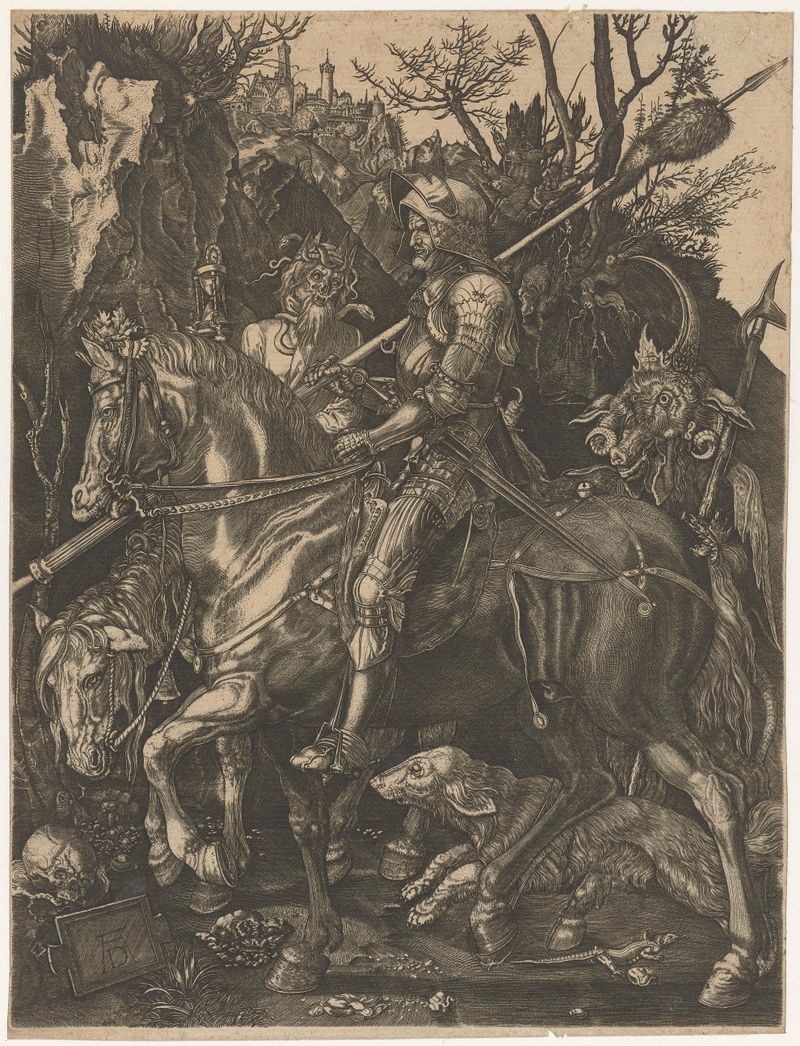
Ridder, Dood en Duivel
Unknown Artist
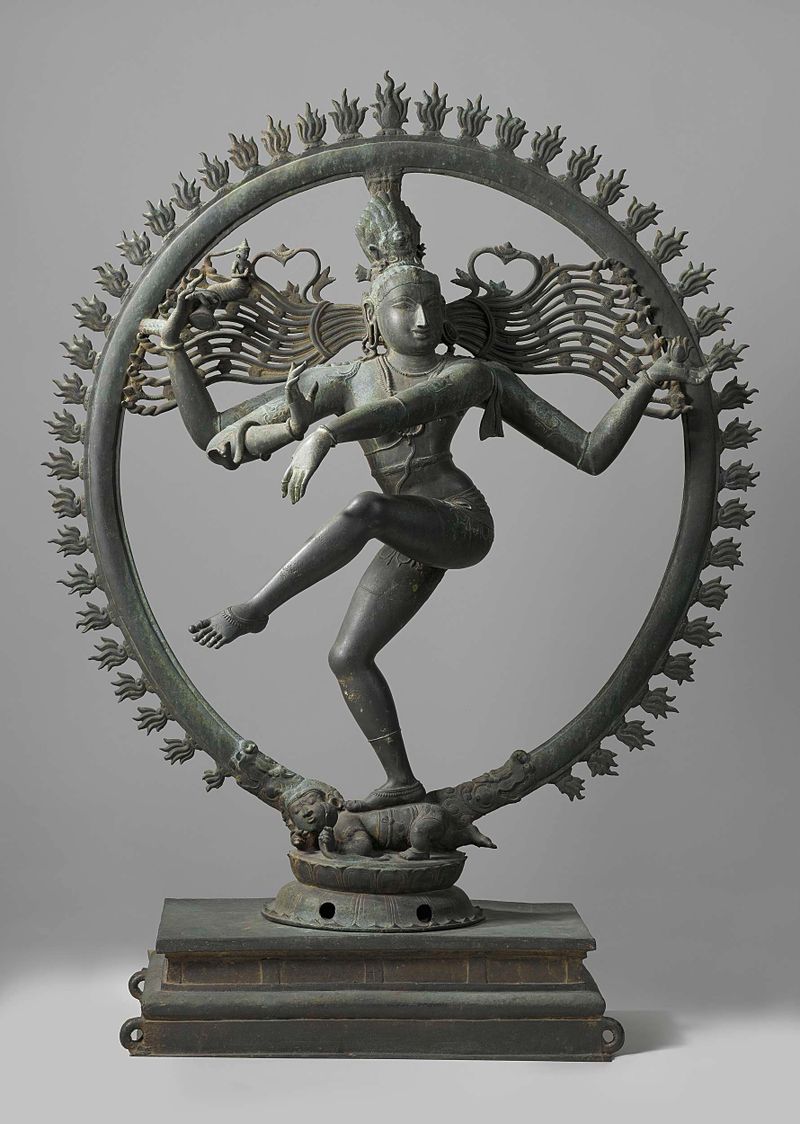
Shiva Nataraja
Unknown Artist
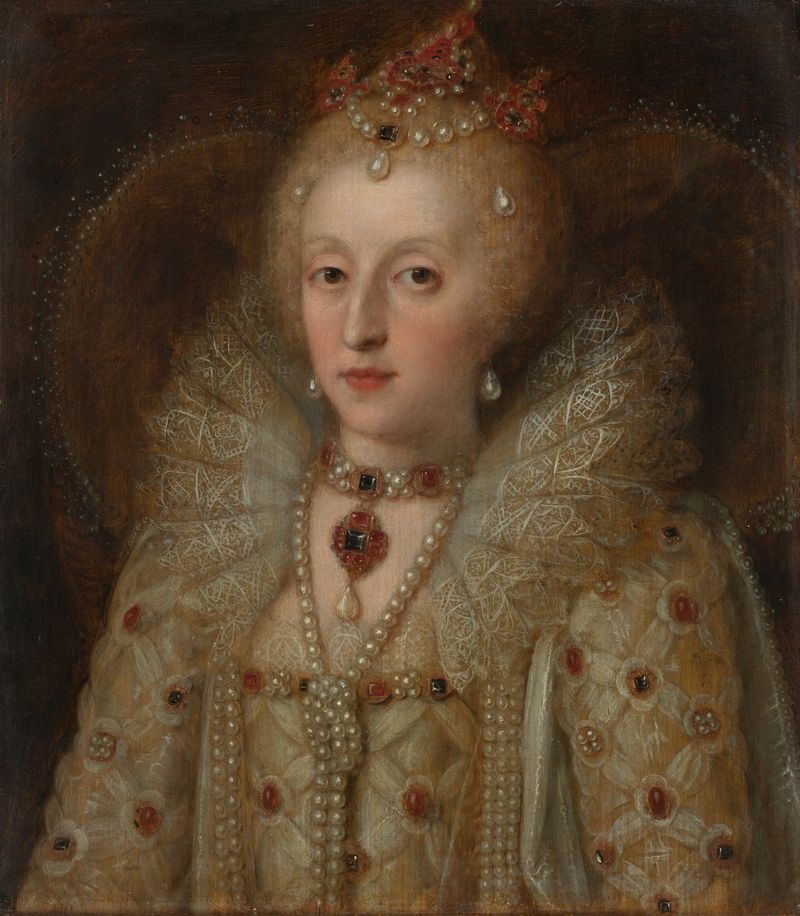
Portrait of Elizabeth I, Queen of England
Unknown Artist
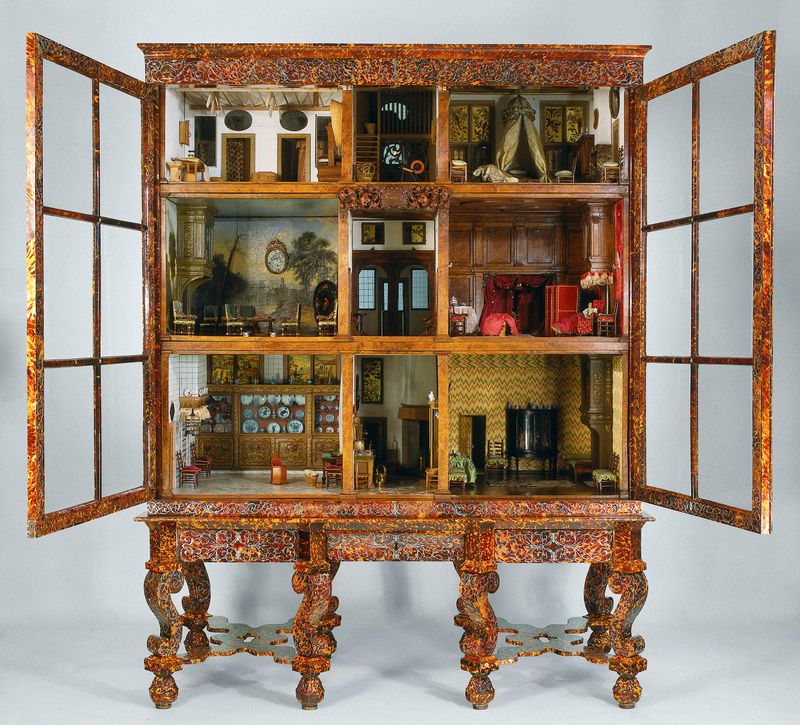
Dolls’ house of Petronella Oortman
Unknown Artist
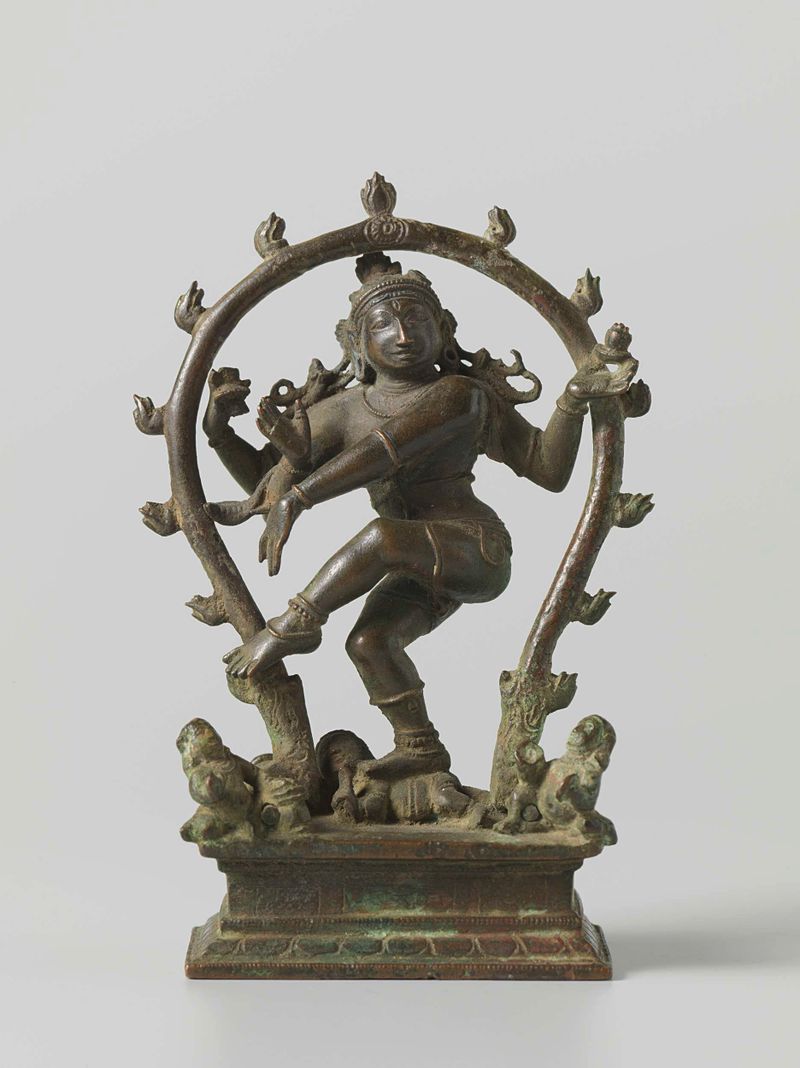
Shiva Nataraja
Unknown Artist

The Tale of Genji
Unknown Artist

The Tale of Genji
Unknown Artist
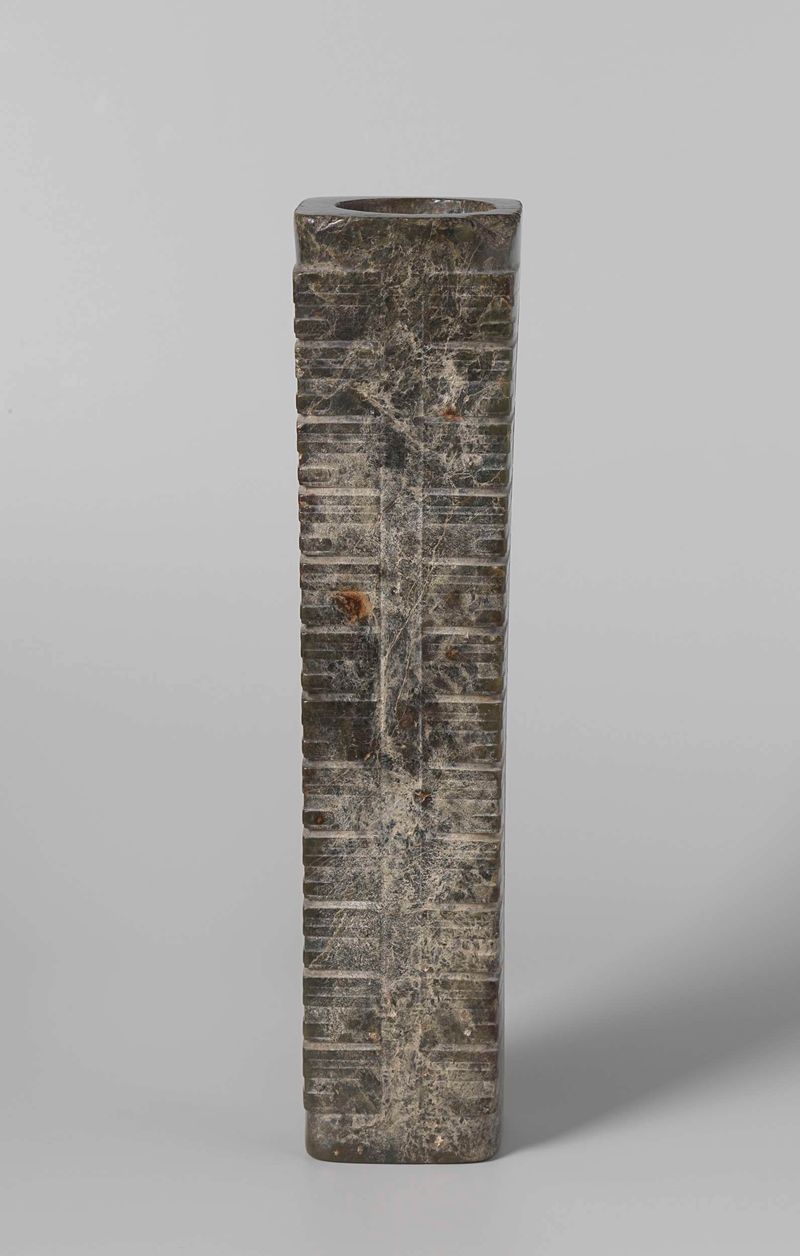
Cong
Unknown Artist
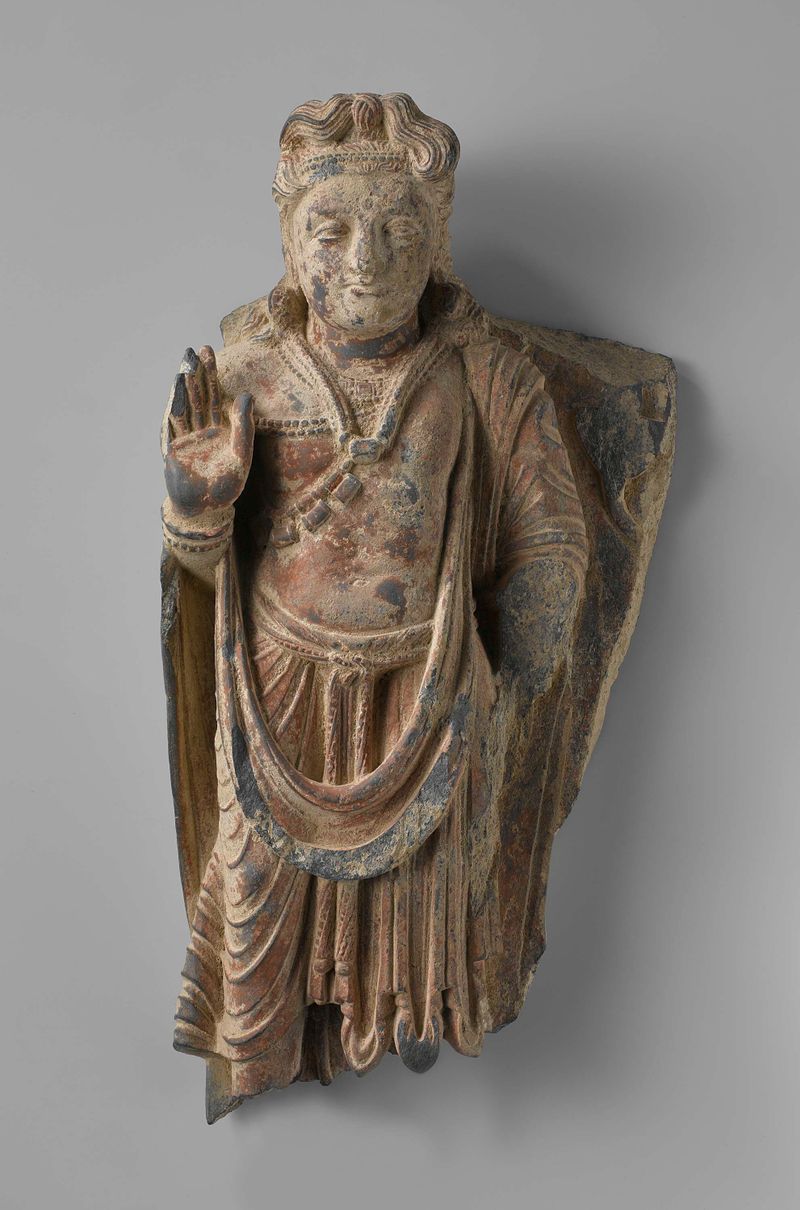
The bodhisattva Maitreya
Unknown Artist
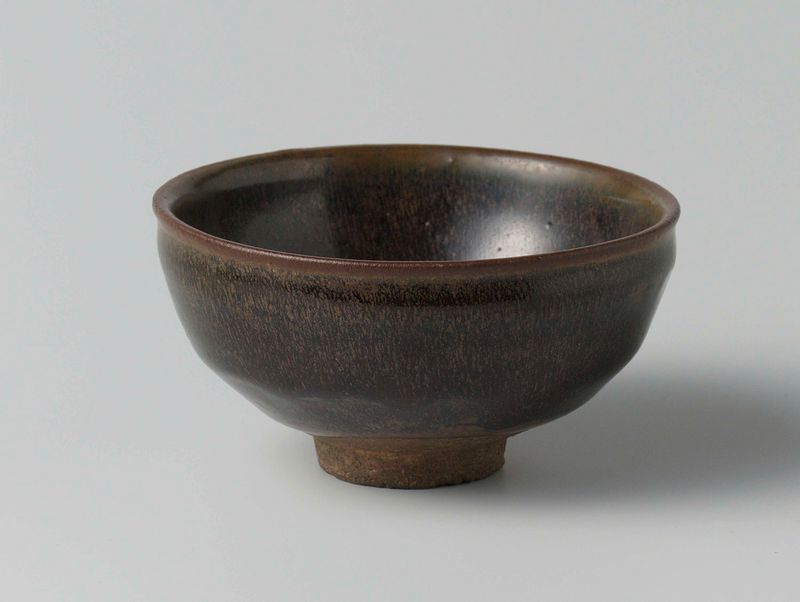
Teabowl with a 'hare's fur' glaze
Unknown Artist
More Religious Art
Browse all →
The Return of the Prodigal Son
Rembrandt van Rijn

The Garden of Earthly Delights
El Bosco

Count Orgaz’ funeral
El Greco

The Hundred Guilder Print: the central piece with Christ preaching, the plate arched
Rembrandt van Rijn

The Descent from the Cross
Rogier van der Weyden

The return of the prodigal son
Rembrandt van Rijn