Tankard (schnelle) with Jael — History & Facts
Could beauty survive in a century of chaos? The answer lies delicately woven into the intricate design of this tankard, where illusion dances with craftsmanship, creating a vessel both functional and profoundly mystical. Look closely at the exquisite ornamentation on the surface, where the figures of Jael and Sisera emerge from the metal, their forms alive with detail. Notice how the light glints off the polished, reflective surface, enhancing the illusion of depth and movement. The vibrant colors, applied with precision, contrast dramatically against the subdued background, drawing your eye to the central scene of triumph.
Every curve and engraving invites the viewer to explore not just the craftsmanship but the narrative etched within. Beneath the elegance lies a tension between power and vulnerability, evident in Jael's poised strength as she wields her weapon against Sisera, who appears both formidable and subdued. This juxtaposition reflects the complexities of human nature — the victory of the seemingly weak over the strong, a theme resonant in tumultuous times. The tankard is not merely a decorative object; it is a storytelling medium, merging art and life, inviting contemplation on the roles of beauty and violence. Created between 1570 and 1600, this piece emerges from a period marked by political upheaval and cultural transformation in Europe.
The artist, whose name remains lost to history, crafted this tankard in a time when decorative arts flourished, reflecting a growing interest in narrative-driven art. Amidst the chaos of the Reformation and societal shifts, this artwork stands as a testament to the enduring power of beauty, forever caught between reality and illusion.
More Artworks by Unknown Artist
Browse all →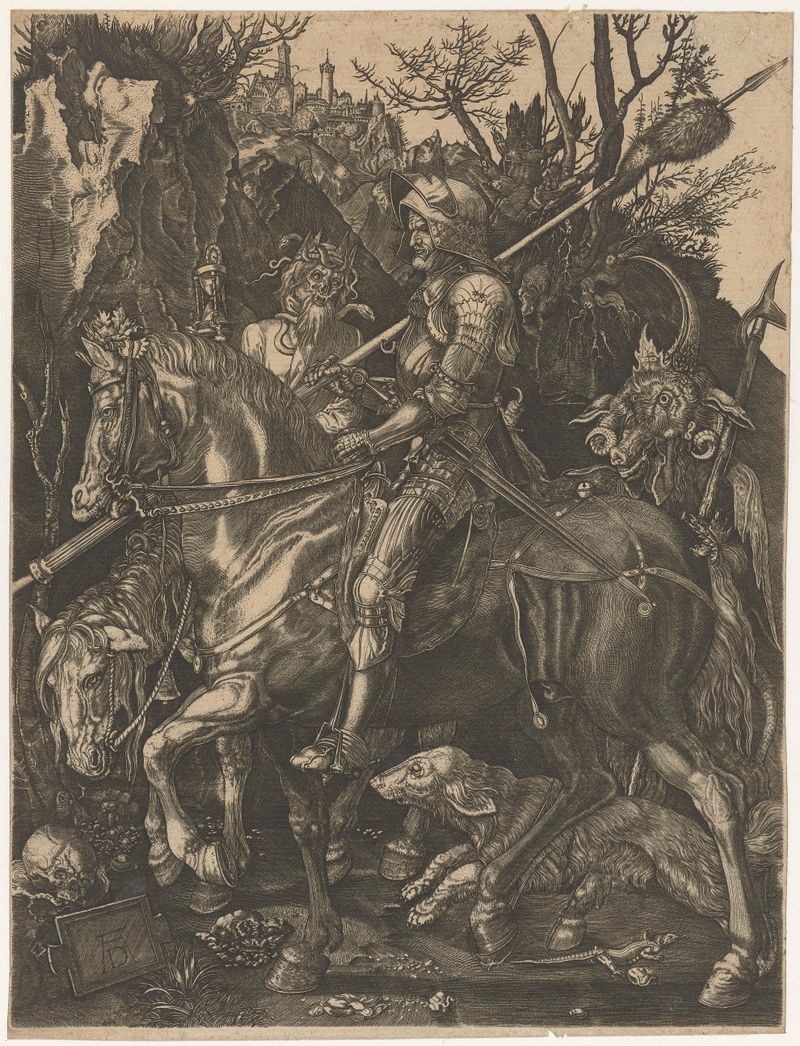
Ridder, Dood en Duivel
Unknown Artist
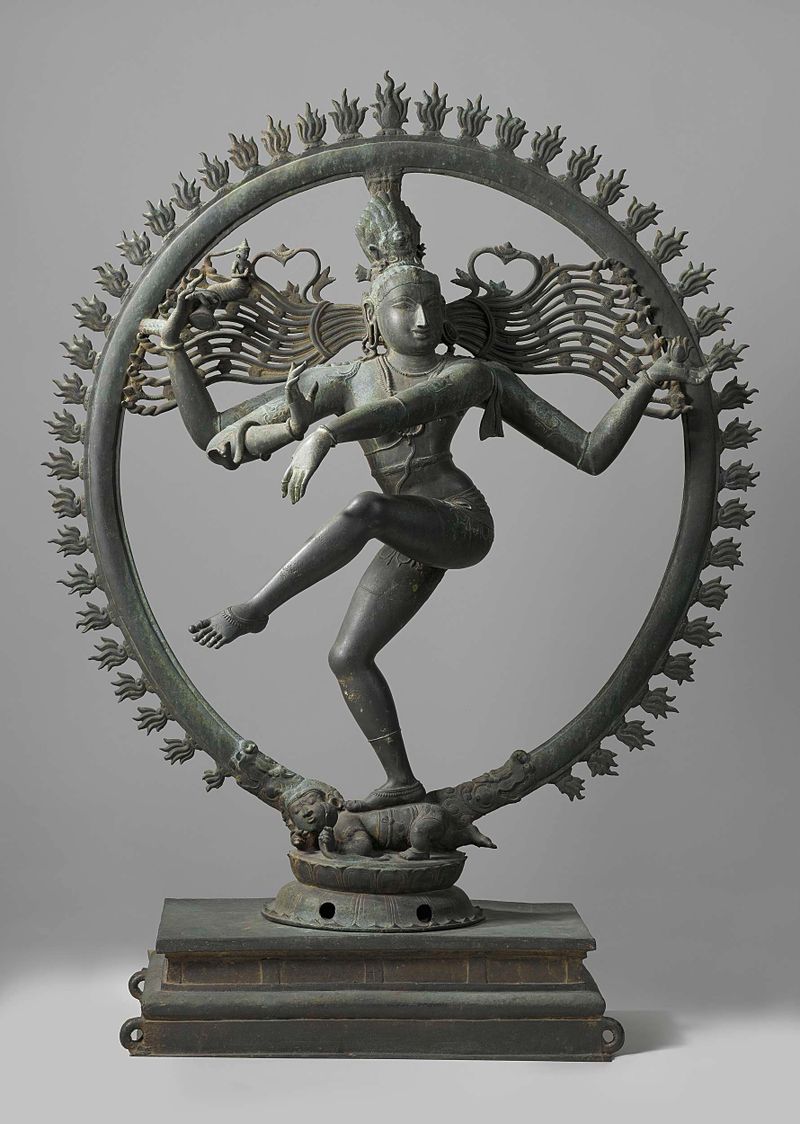
Shiva Nataraja
Unknown Artist
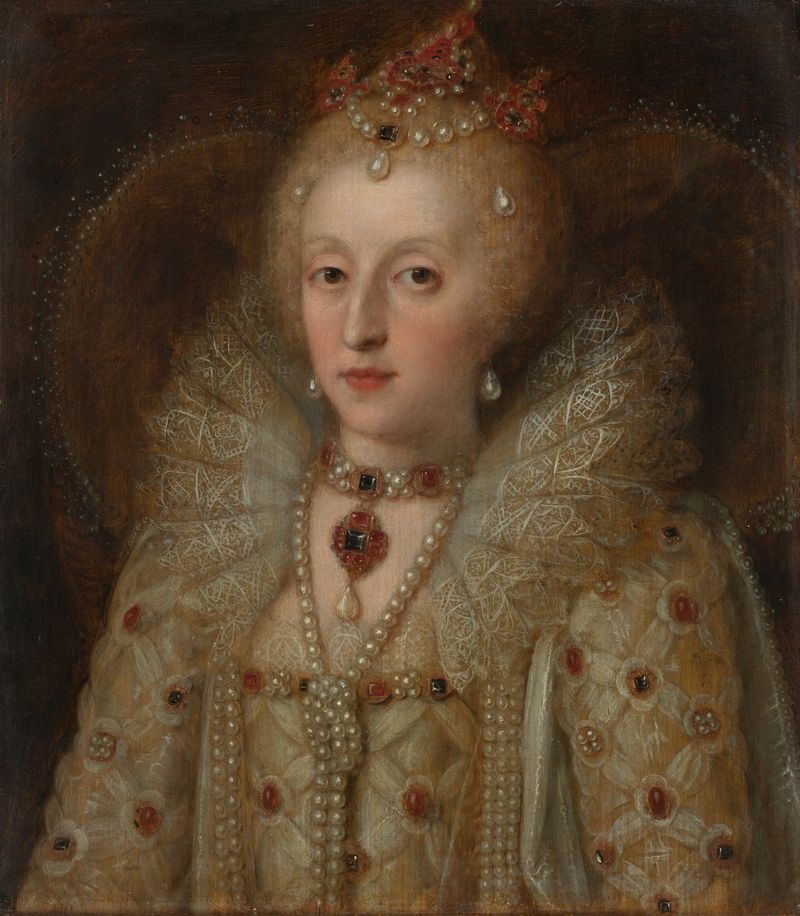
Portrait of Elizabeth I, Queen of England
Unknown Artist
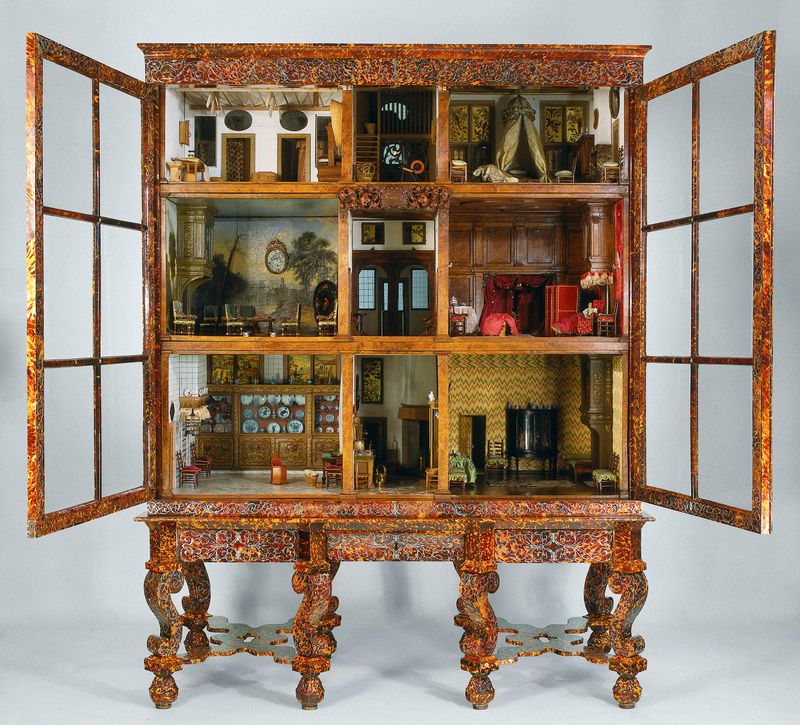
Dolls’ house of Petronella Oortman
Unknown Artist
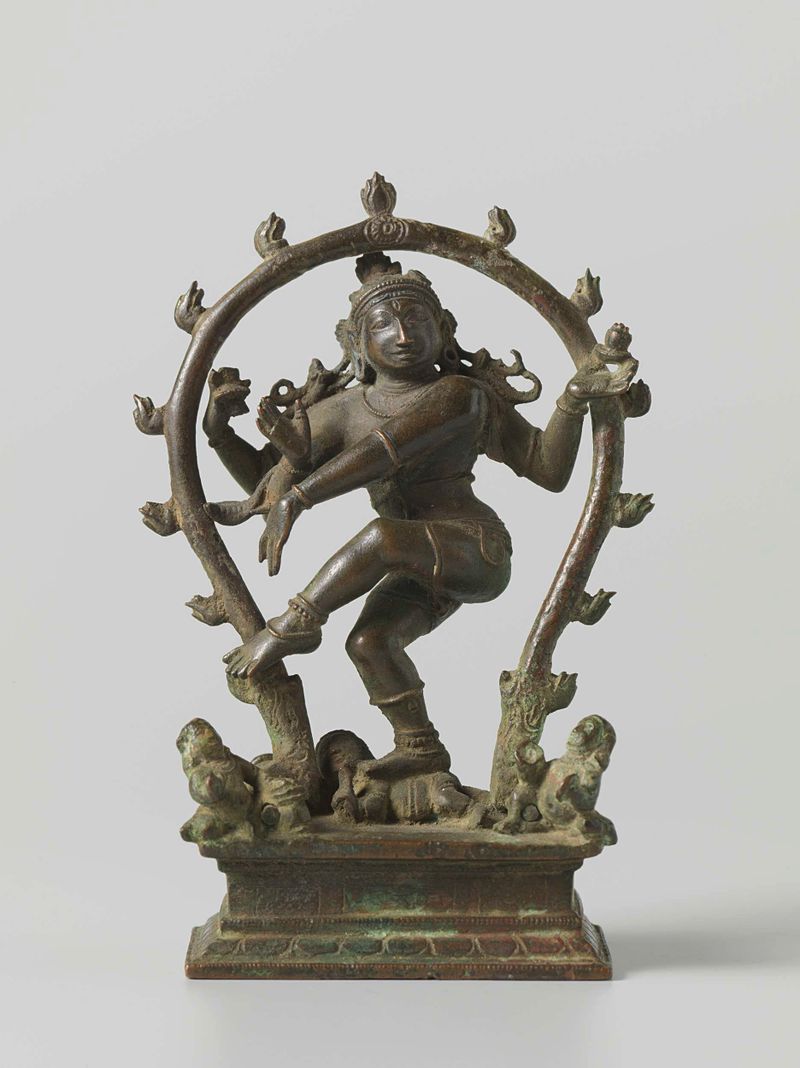
Shiva Nataraja
Unknown Artist

The Tale of Genji
Unknown Artist

The Tale of Genji
Unknown Artist
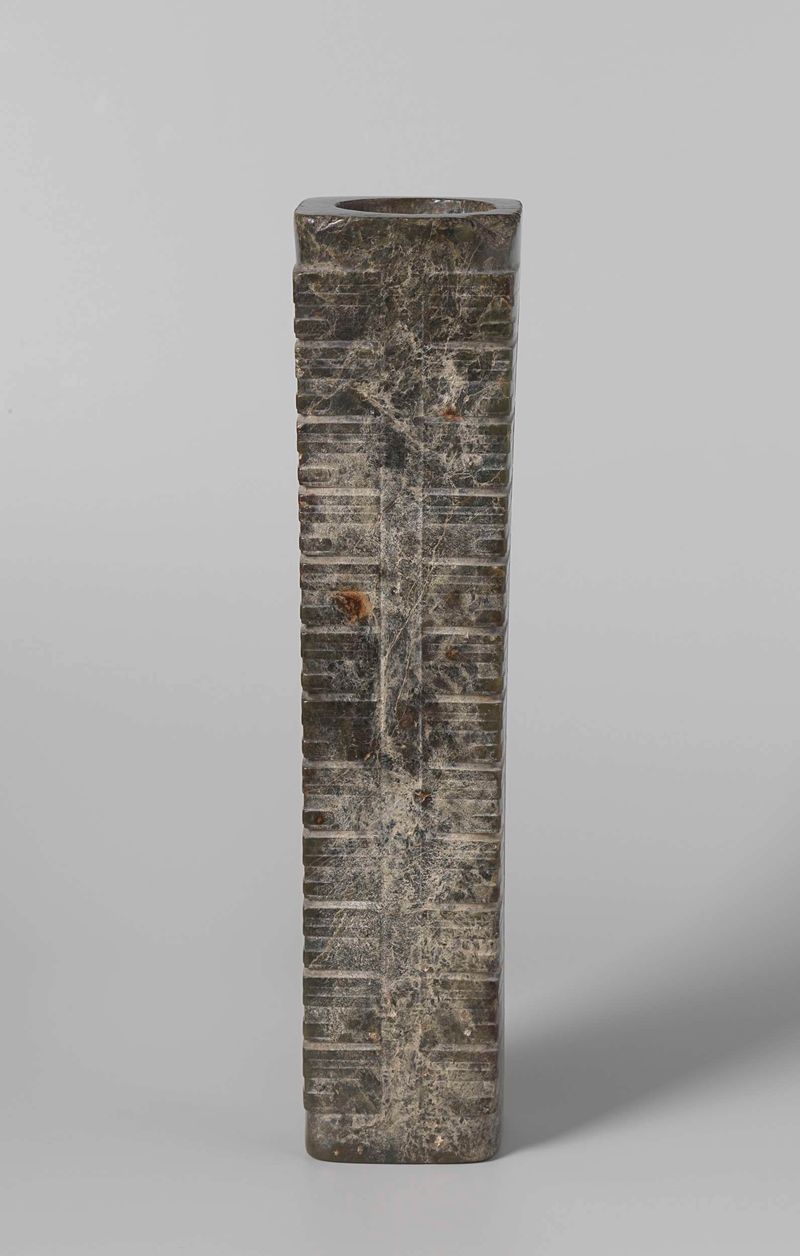
Cong
Unknown Artist
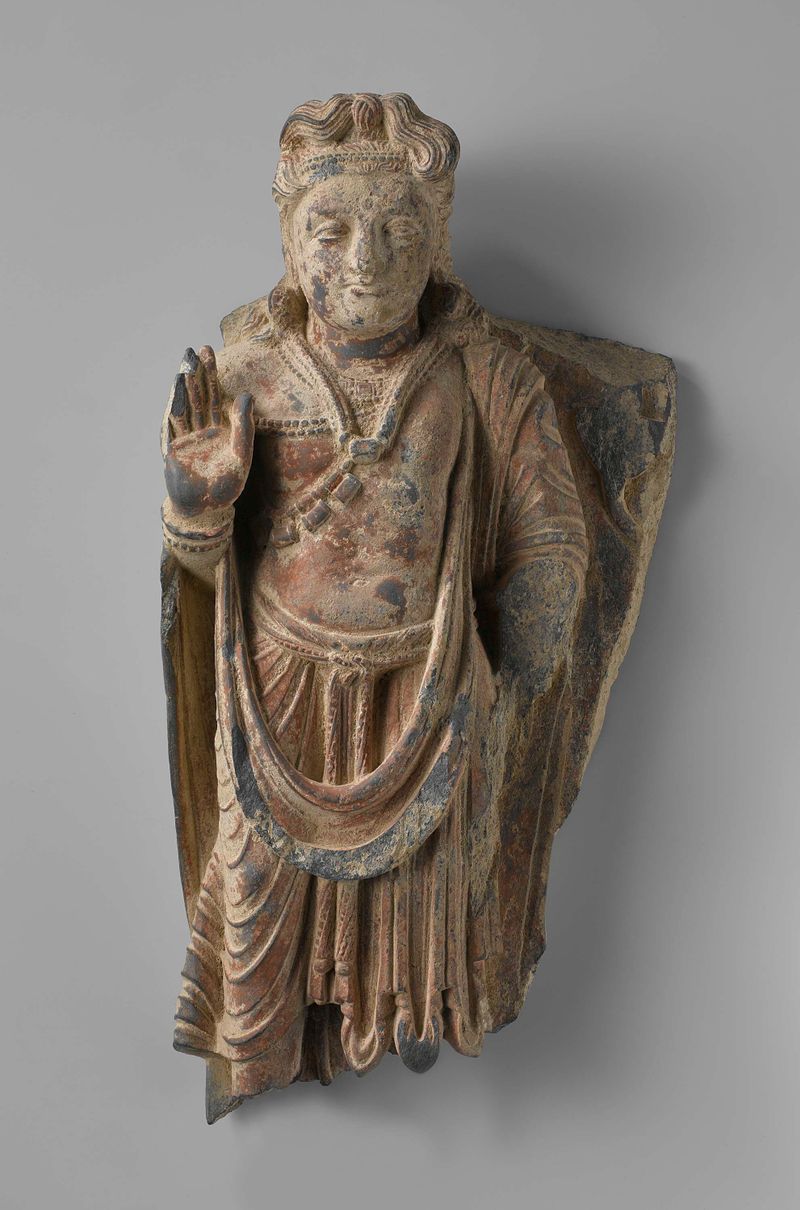
The bodhisattva Maitreya
Unknown Artist
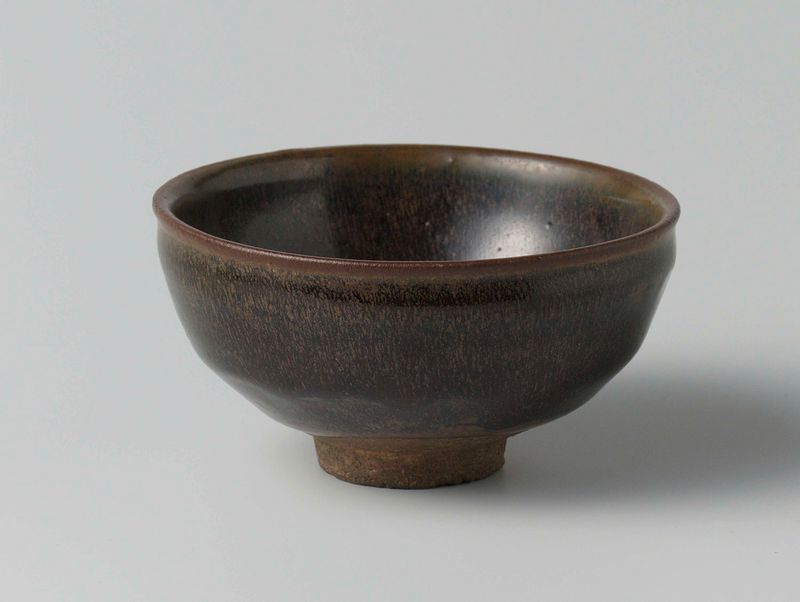
Teabowl with a 'hare's fur' glaze
Unknown Artist