Taormina im Sonnenschein — History & Facts
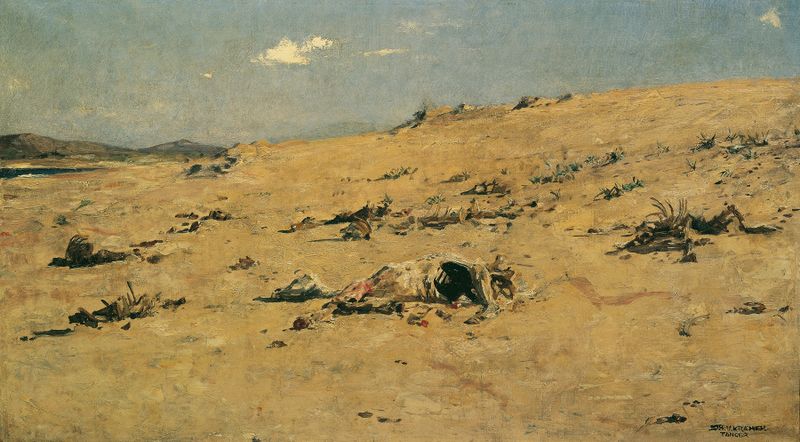
In Taormina im Sonnenschein, a moment of revelation reveals the harmony between nature and the human spirit, captured forever in vibrant hues. Look to the left where the soft, warm light filters through the lush foliage, illuminating the ochre tones of the ancient architecture. The hillside town of Taormina unfurls like a storybook, its crumbling walls and terracotta rooftops nestled against the azure sea. Notice how the artist employs a delicate interplay of light and shadow, evoking a sense of time standing still, inviting viewers to wander through the painting’s inviting pathways. Beneath the sunlit surface, hidden meanings emerge in the contrasts between the tranquil landscape and the bustling life within it.
The lush greenery juxtaposed with the sturdy stone structures hints at resilience and permanence, while the shimmering sea suggests both beauty and the passage of time. This duality evokes an emotional tension—how life thrives amid ruins, capturing whispers of history and the incessant march of change. In 1897, Johann Victor Krämer painted this masterpiece while immersed in the artistic fervor of late 19th-century Europe, where Impressionism was blooming. Residing in Germany but frequently traveling to Italy, he was inspired by the light and landscapes that captured the essence of the Mediterranean.
His work reflected a growing appreciation for plein air painting, as artists sought to reveal the beauty of fleeting moments, making his portrayal of Taormina both a personal exploration and a broader commentary on the era's evolving artistic landscape.