
Tara of een godin — History & Facts
Can paint confess what words never could? In the interplay of color and form, the essence of silence is painted with profound reverence, inviting the viewer into a contemplative embrace. Look to the center, where the figure of Tara emerges, draped in layers of rich, jewel-toned fabric that shimmer in the ambient light. Notice the gentle curve of her smile, soft yet enigmatic, suggesting a connection that transcends the canvas. The background, a tapestry of muted earth tones, fades into obscurity, allowing the goddess to command attention, yet her presence remains elusive, almost spectral in its tranquility. Here, contrasts abound: the vibrant hues of Tara’s attire juxtaposed against the subdued backdrop symbolize the tension between the divine and the mundane.
Each intricate detail, from the delicate adornments in her hair to the subtle grace of her outstretched hand, speaks to a narrative of wisdom and compassion that is both timeless and intimate. The silence that envelops her figure resonates powerfully, inviting interpretation through stillness rather than sound, much like the whispered secrets held by ancient rituals. Created between 1500 and 1600, this work reflects an era of rich cultural exchange and spiritual exploration. The artist, whose identity remains a mystery, was likely influenced by the vibrant artistic currents of the time, where the depiction of divinity in tangible forms was both a spiritual endeavor and a commentary on humanity's yearning for connection with the divine.
In this context, the painting serves as a bridge between the sacred and the observer, inviting each viewer to find their own meaning in the silence that speaks volumes.
More Artworks by Unknown Artist
Browse all →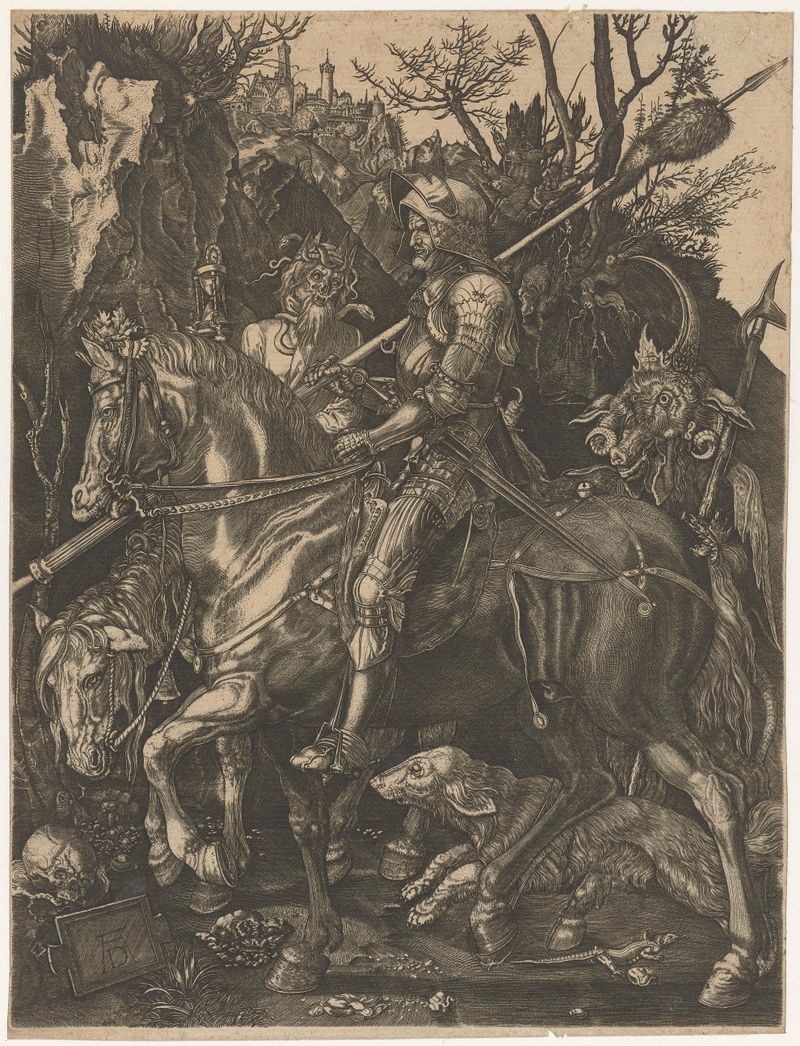
Ridder, Dood en Duivel
Unknown Artist
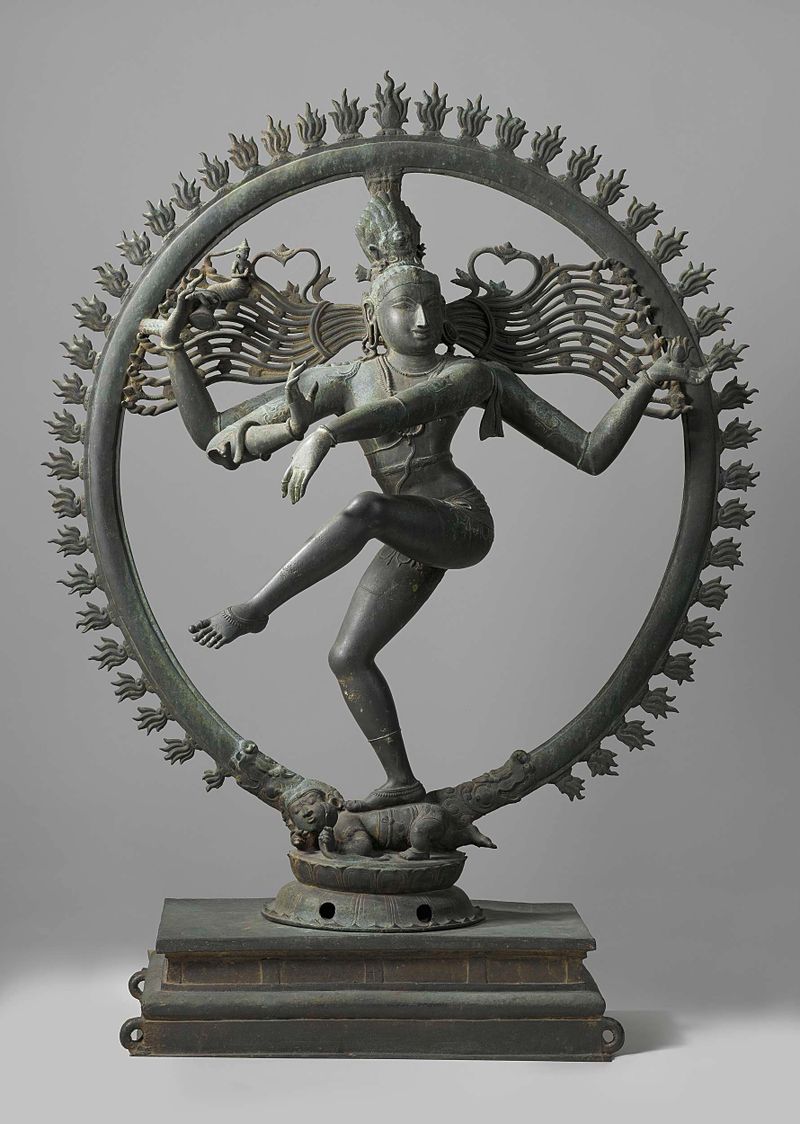
Shiva Nataraja
Unknown Artist
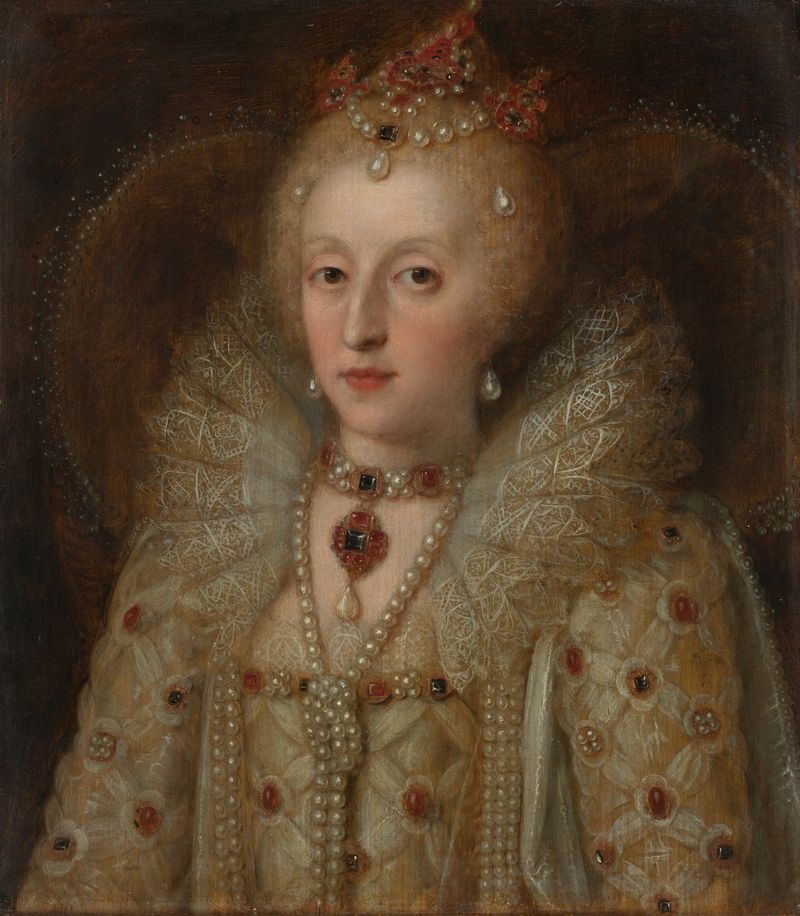
Portrait of Elizabeth I, Queen of England
Unknown Artist
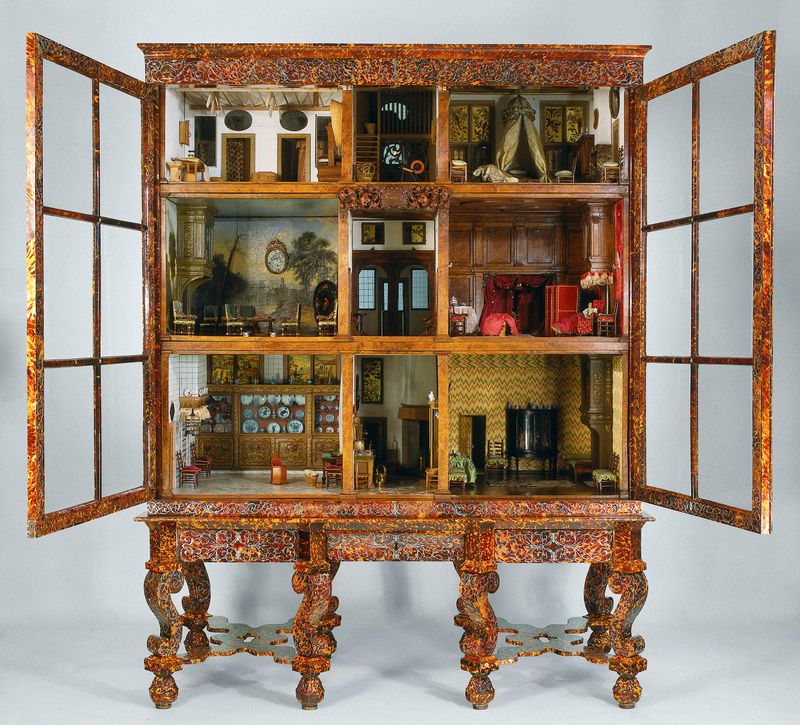
Dolls’ house of Petronella Oortman
Unknown Artist
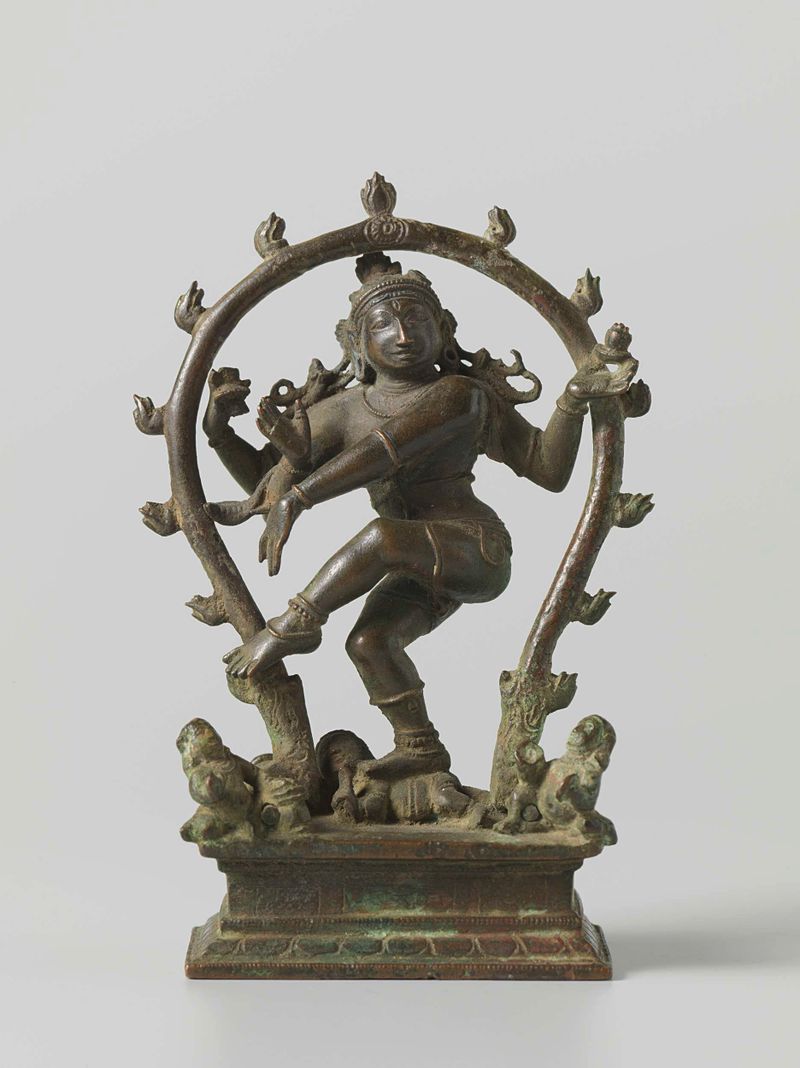
Shiva Nataraja
Unknown Artist

The Tale of Genji
Unknown Artist

The Tale of Genji
Unknown Artist

Cong
Unknown Artist
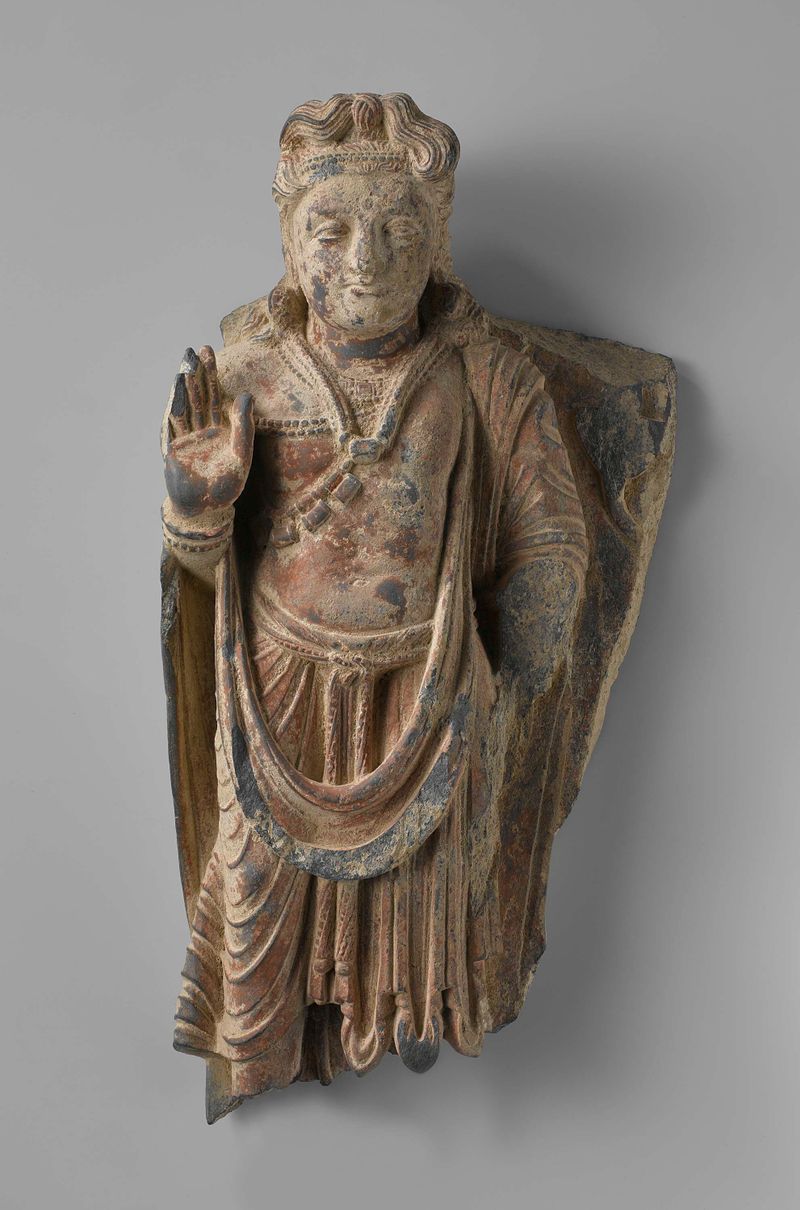
The bodhisattva Maitreya
Unknown Artist

Teabowl with a 'hare's fur' glaze
Unknown Artist
More Religious Art
Browse all →
The Return of the Prodigal Son
Rembrandt van Rijn

The Garden of Earthly Delights
El Bosco

Count Orgaz’ funeral
El Greco

The Hundred Guilder Print: the central piece with Christ preaching, the plate arched
Rembrandt van Rijn

The Descent from the Cross
Rogier van der Weyden

The return of the prodigal son
Rembrandt van Rijn