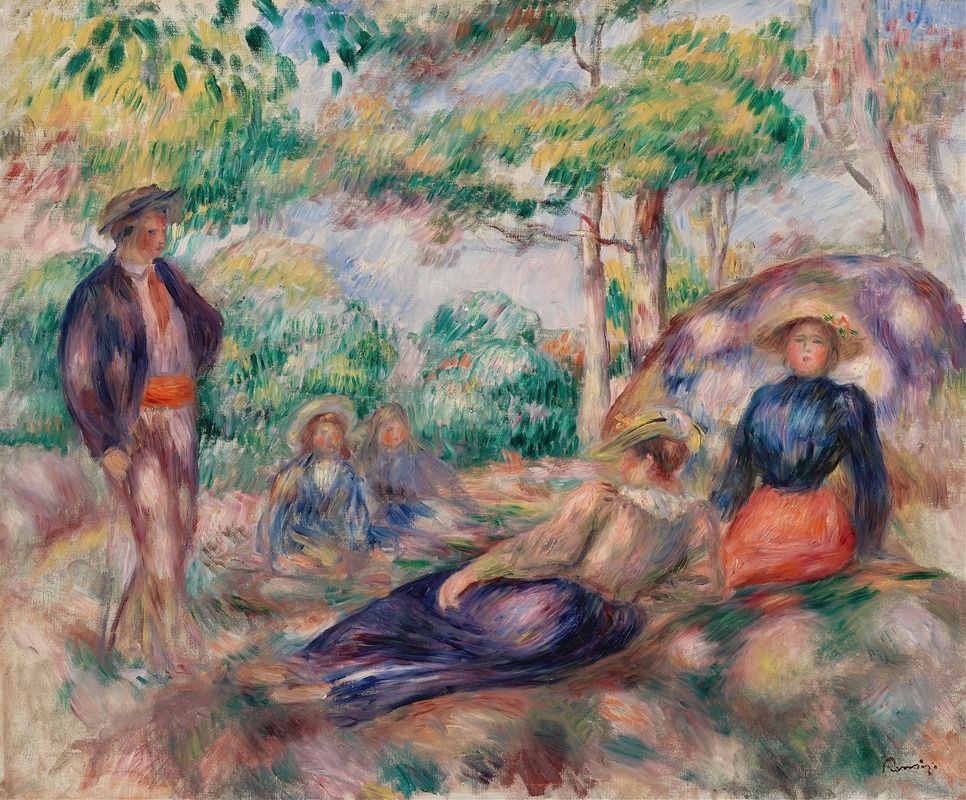
Discover insights about this artwork
Tarantella — History & Facts
In Tarantella, Anton Romako captures a vibrant scene filled with movement and energy. The painting features dancers in traditional costumes, their expressions joyful and lively. The colors are bright, with reds, greens, and yellows dominating the canvas, reflecting the festive atmosphere of the dance.
The background is less defined, allowing the figures to stand out as the focal point of the artwork. Romako employs oil on canvas as his medium, a choice that enhances the richness of the colors and the texture of the dancers' costumes. The brushwork is fluid, suggesting the rapid movements of the dancers as they engage in the Tarantella. The composition is dynamic, with figures arranged in a way that leads the viewer's eye across the canvas.
This technique emphasizes the rhythm and excitement of the dance. Anton Romako was an Austrian painter known for his depictions of social scenes and dances. This painting, created in the 1880s, reflects the cultural significance of the Tarantella, a traditional Italian dance often associated with celebration. Interestingly, the Tarantella was believed to be a remedy for the bite of the tarantula spider, leading to its lively and frenetic movements.
Romako's work captures not just the dance but the spirit of joy and community surrounding it.
More Artworks by Anton Romako
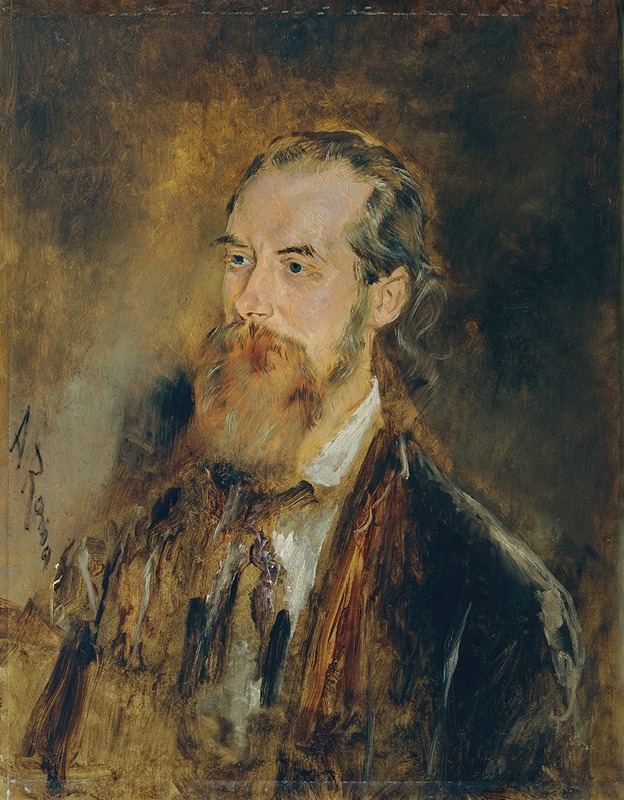
Der Tiermaler Karl Reichert
Anton Romako
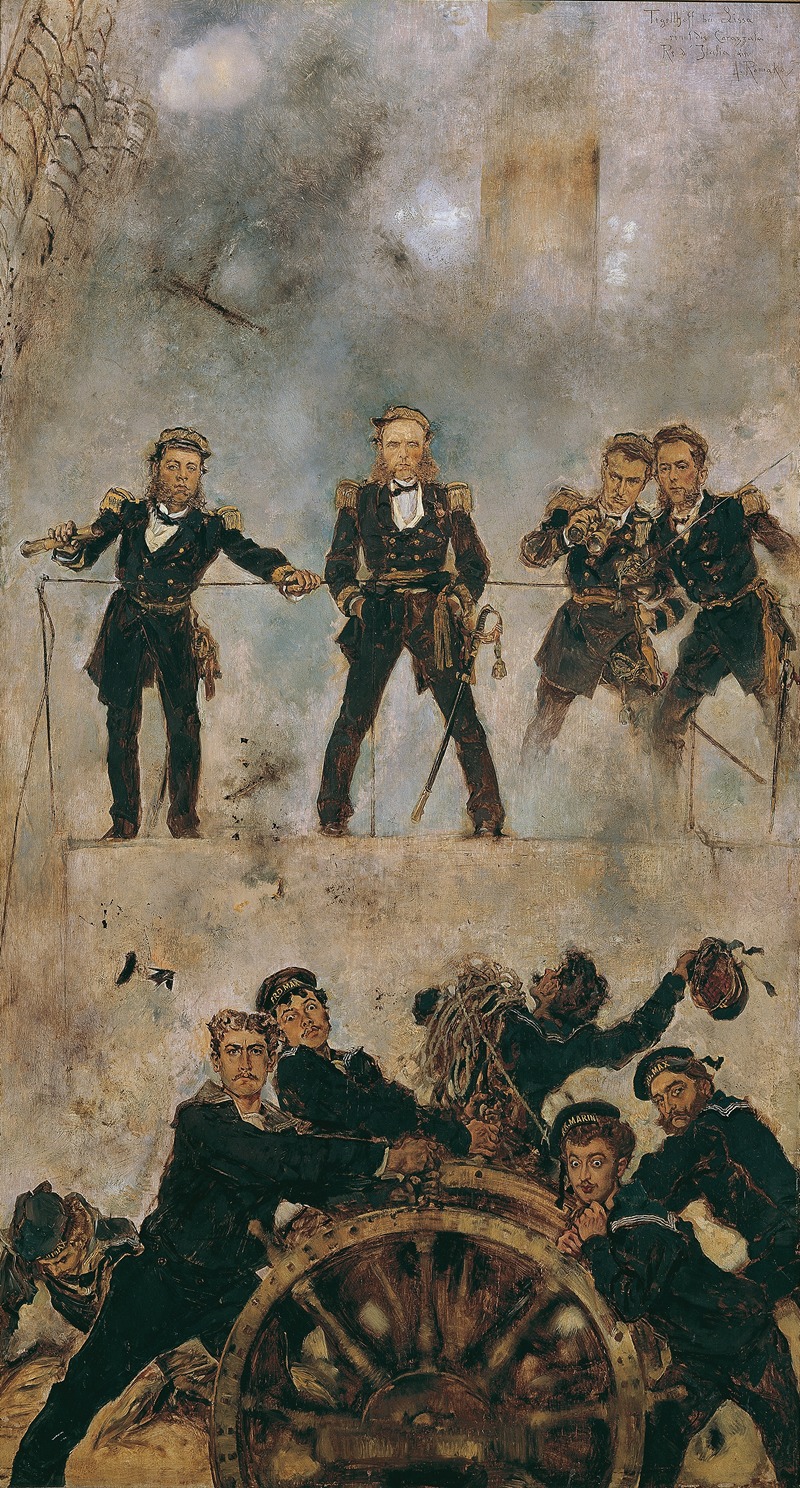
Tegetthoff in der Seeschlacht bei Lissa I
Anton Romako
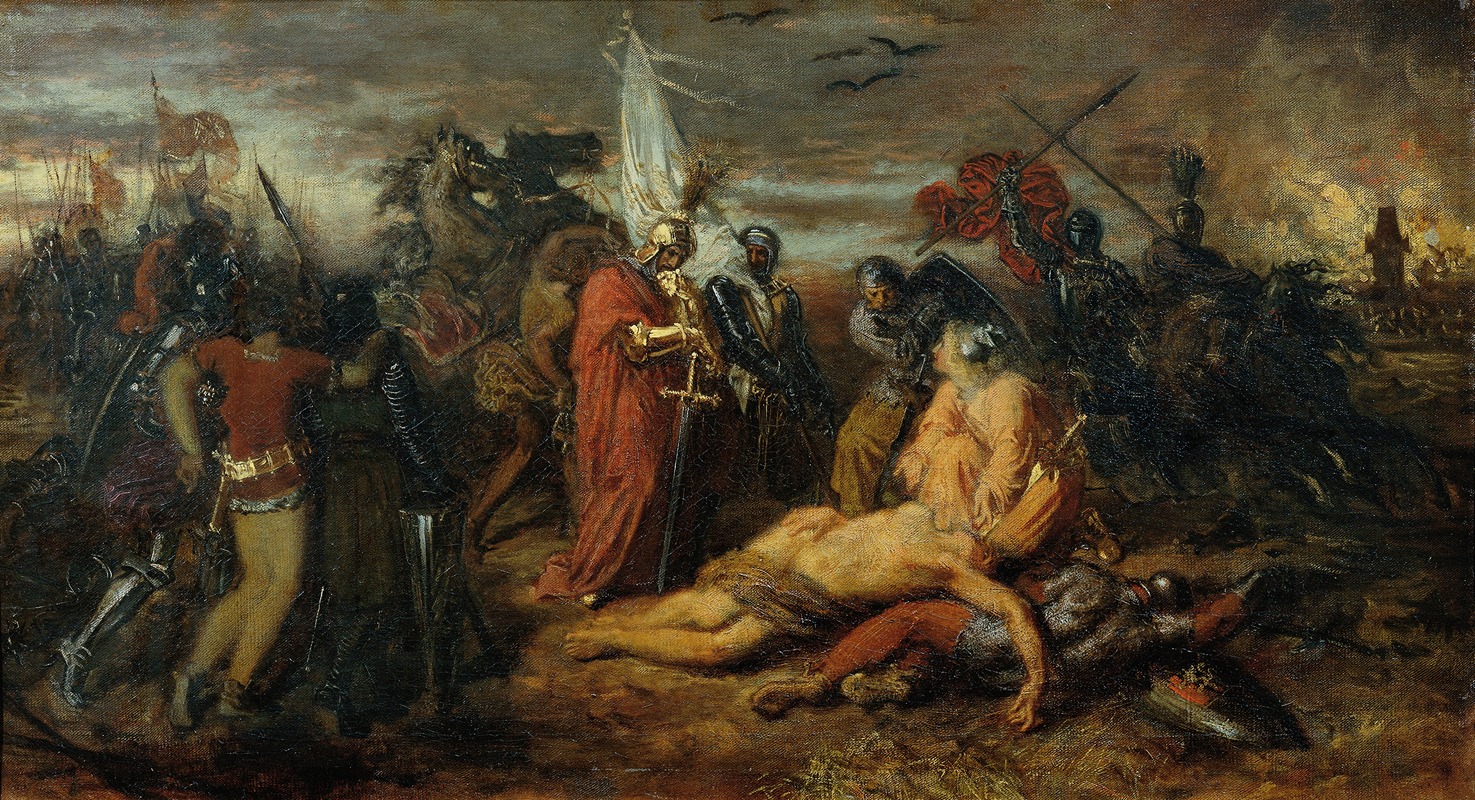
Rudolf von Habsburg an der Leiche Přemysl Ottokars, König von Böhmen
Anton Romako
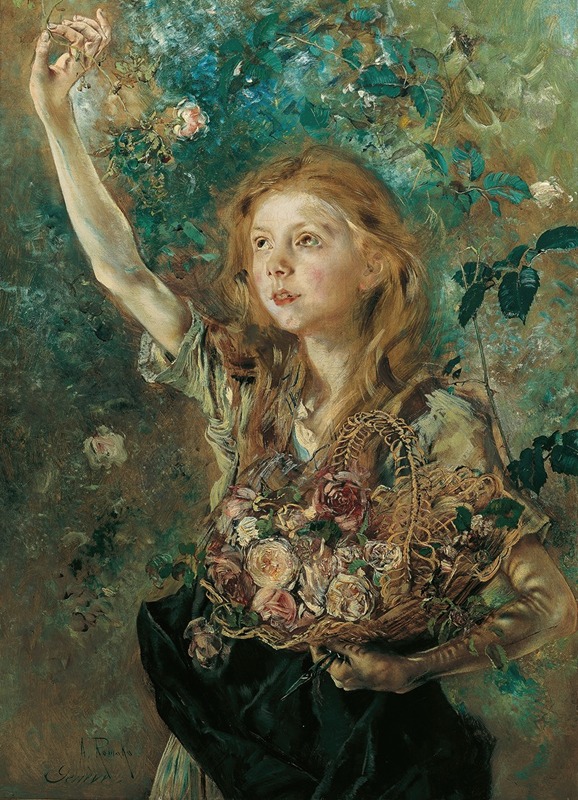
Die Rosenpflückerin
Anton Romako
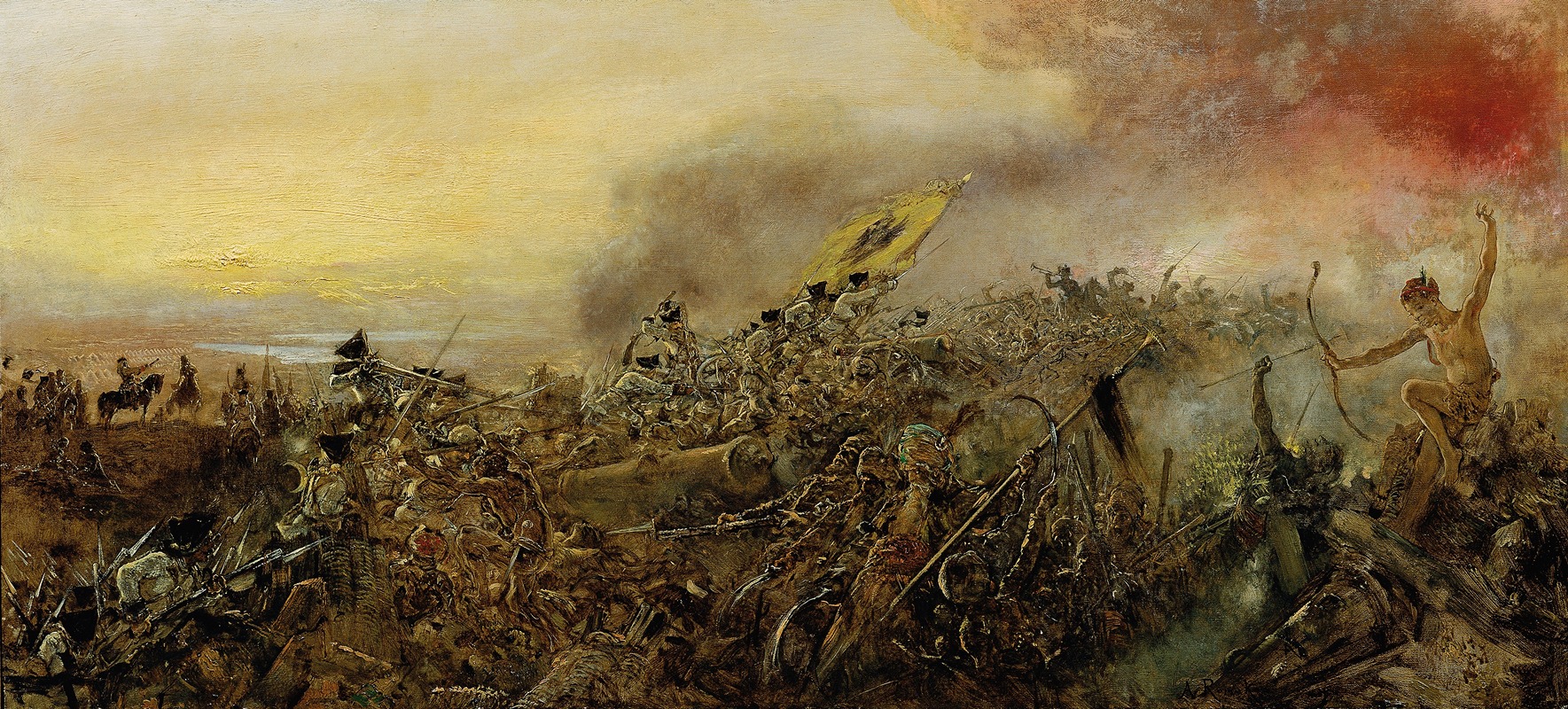
Prinz Eugen von Savoyen in der Schlacht bei Zenta
Anton Romako
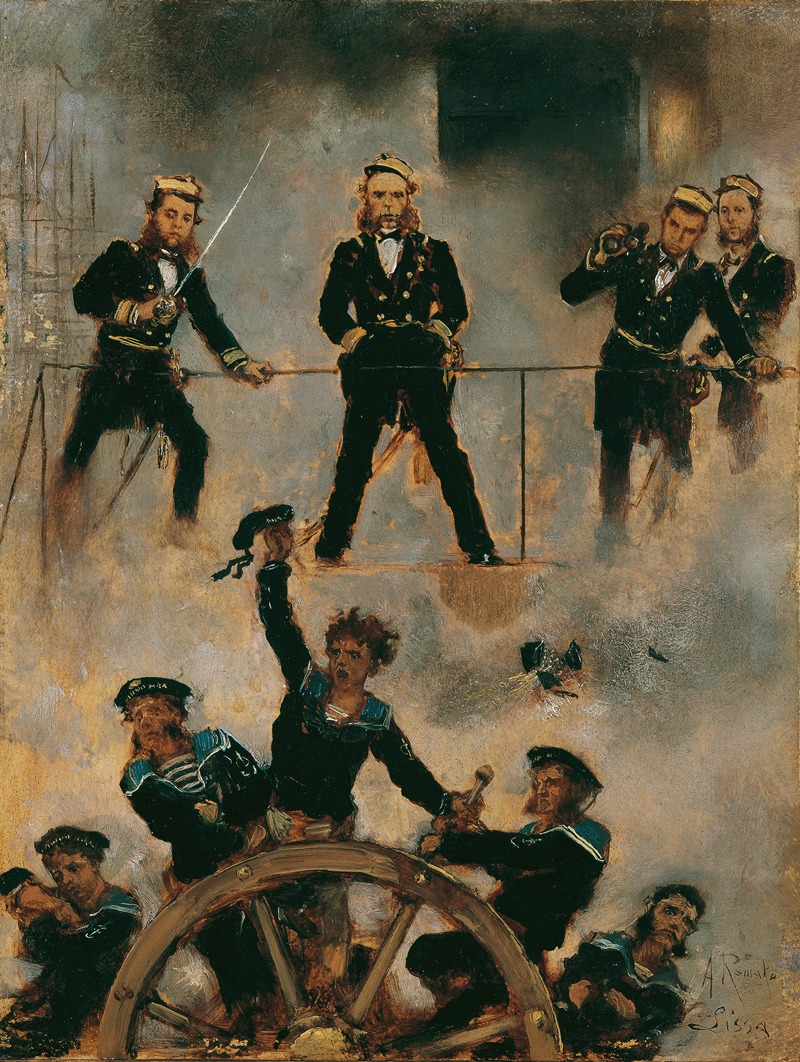
Tegetthoff in der Seeschlacht bei Lissa II
Anton Romako
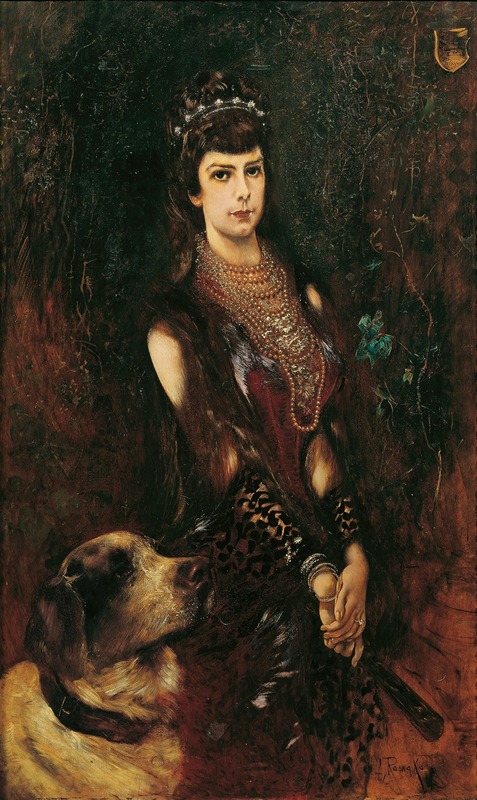
Kaiserin Elisabeth mit Bernhardinerhund
Anton Romako
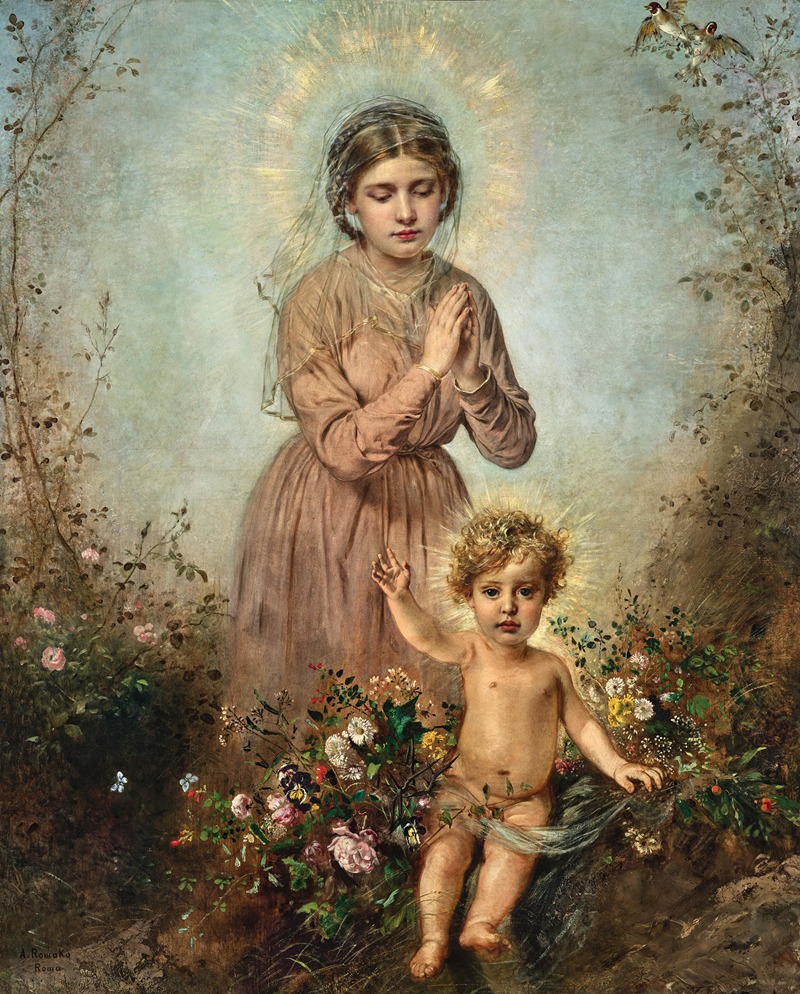
Madonna and Child
Anton Romako
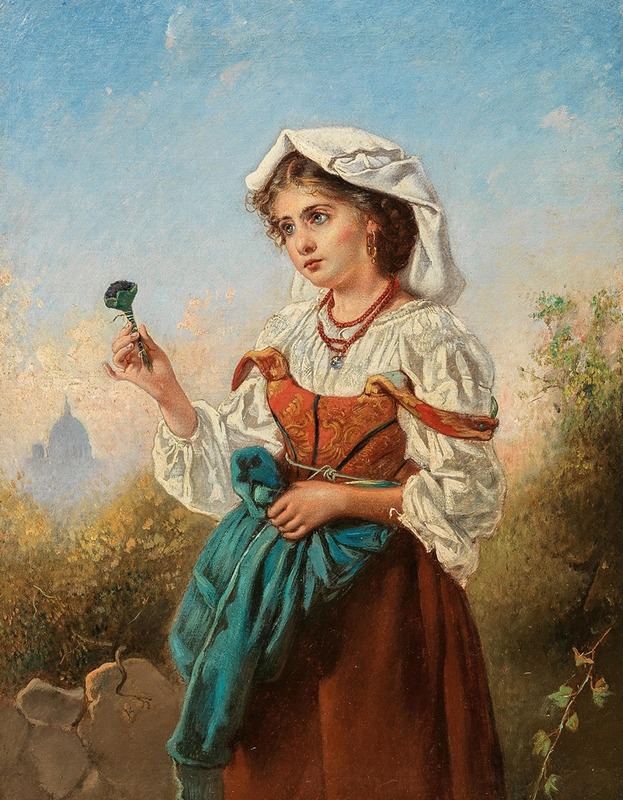
An Italian Violet Seller, With Rome In The Background
Anton Romako
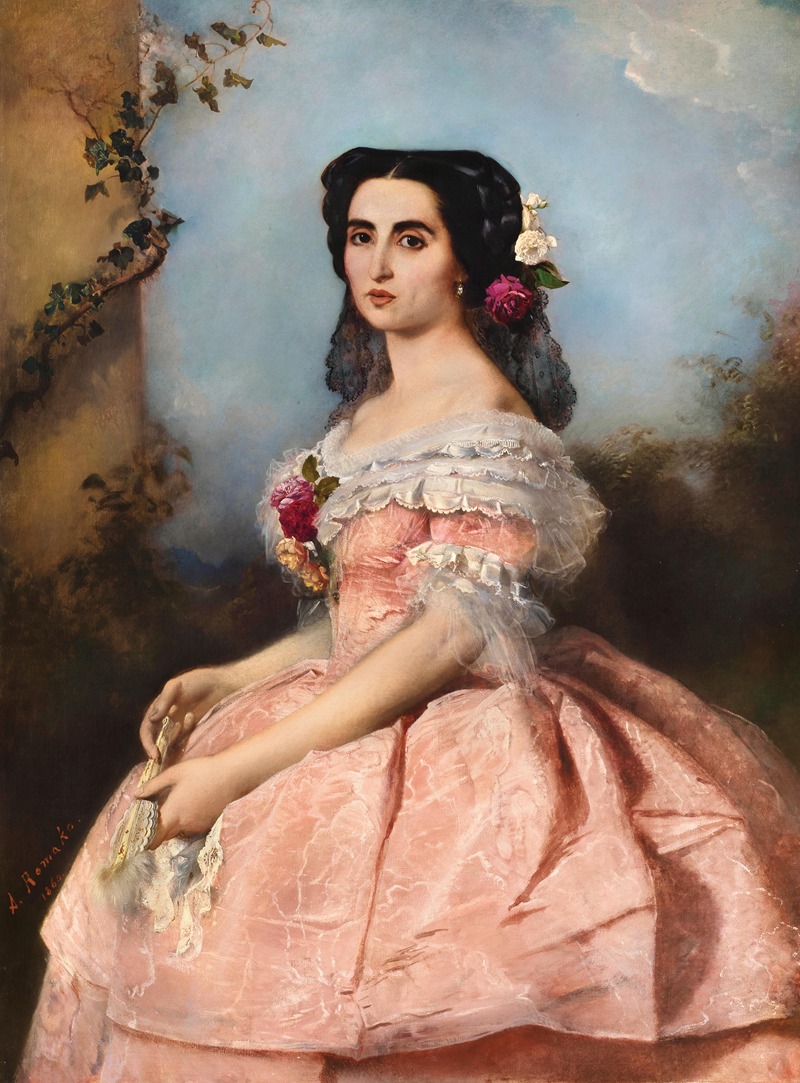
Portrait of an Elegant Lady in a Pink Dress
Anton Romako