Tea bowl with a grey red glaze — History & Facts
Can paint confess what words never could? In the silent language of ceramics, the soft hues of this tea bowl whisper stories of tradition and innovation, holding within its glaze a revolution of artistry. Look closely at the surface treatment; observe the interplay of the grey-red glaze, a fluid dance that seems to shift with the light. The bowl's gentle curves invite your touch, while the subtle imperfections reveal the hand of the maker, a reminder of the human spirit behind every crafted piece. The warm palette, rich yet understated, mirrors the earth from which it springs, grounding us in the ancient practice of tea ceremony. As you delve deeper, consider the bowl's significance beyond mere function.
This masterpiece represents a convergence of cultures, where Eastern tea rituals met Western artistic influence, creating a new narrative within the realm of pottery. The glaze, like a veil, obscures the meticulous process behind its creation, inviting contemplation on the nature of beauty and imperfection. Each swirl and mark hints at the artist’s emotion, a silent rebellion against the uniformity of mass production. Created between 1575 and 1599, this bowl belongs to a time of great cultural exchange in Japan.
The late 16th century saw an intensification of trade and interaction with European powers, influencing local crafts and aesthetics. As traditional Japanese tea practices evolved, so too did the emphasis on the artistic qualities of everyday objects, paving the way for a deeper appreciation of the decorative arts that persists today.
More Artworks by Unknown Artist
Browse all →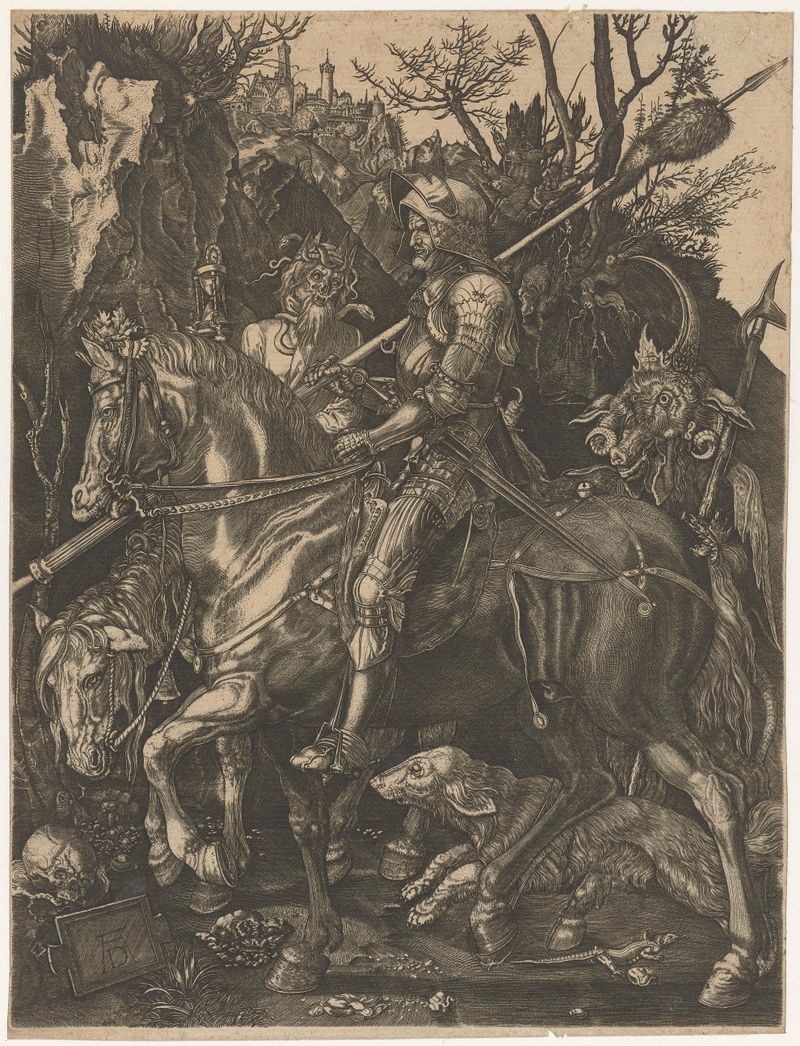
Ridder, Dood en Duivel
Unknown Artist
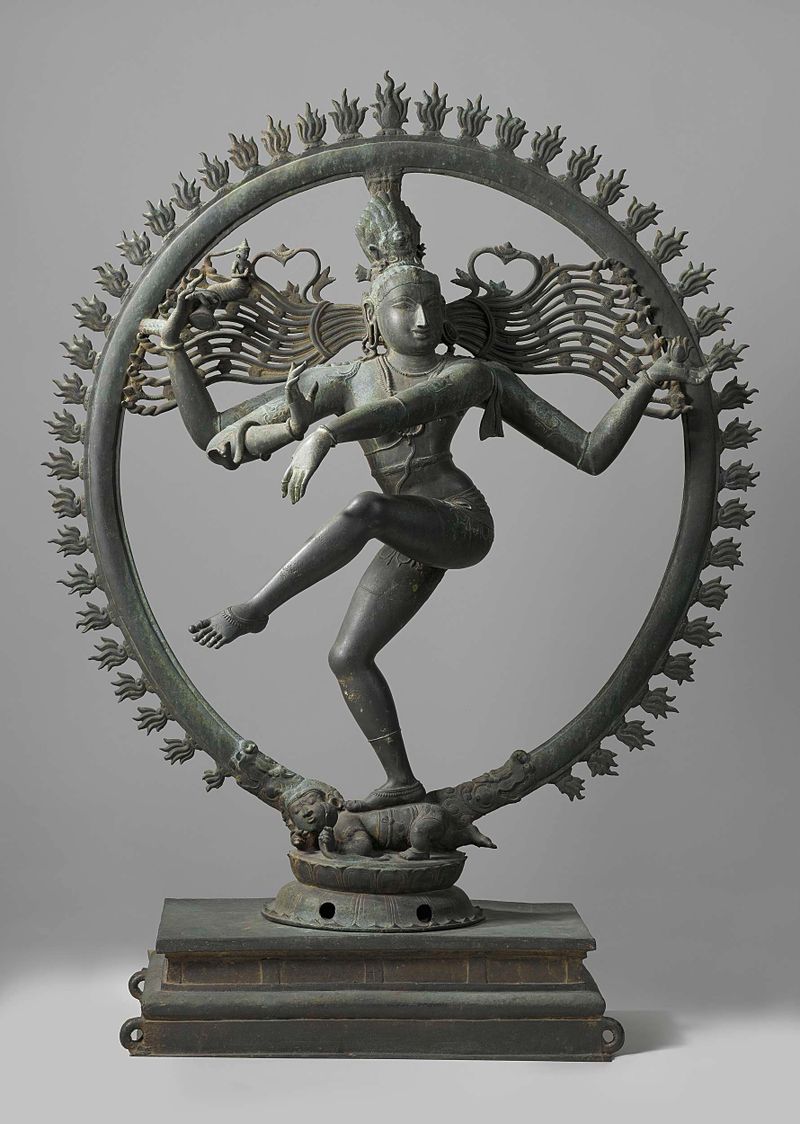
Shiva Nataraja
Unknown Artist
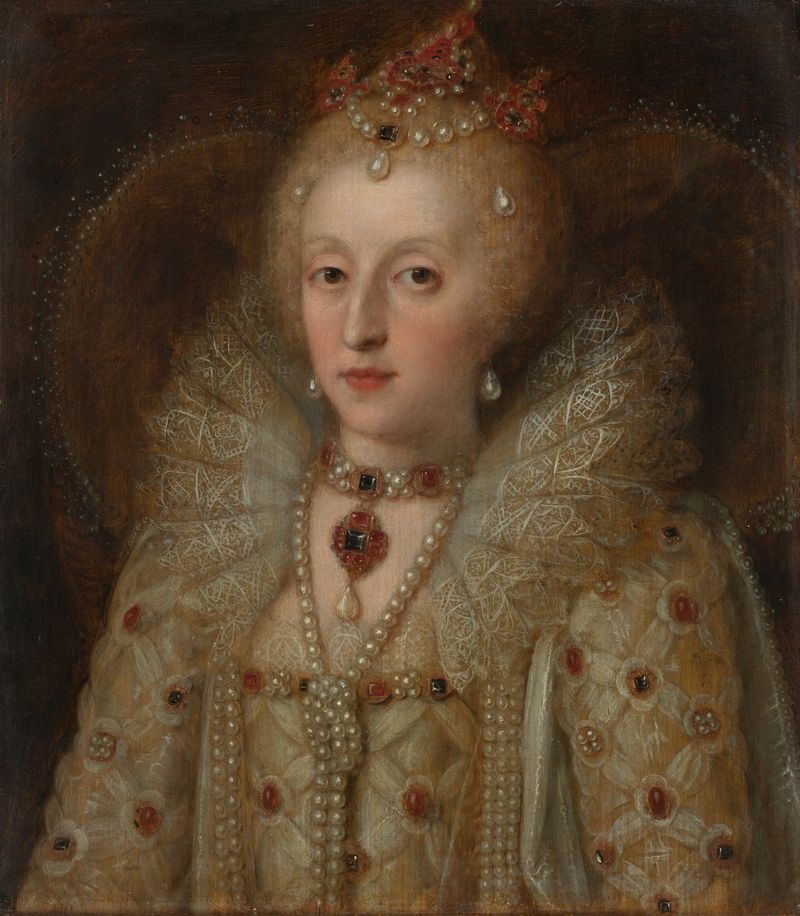
Portrait of Elizabeth I, Queen of England
Unknown Artist
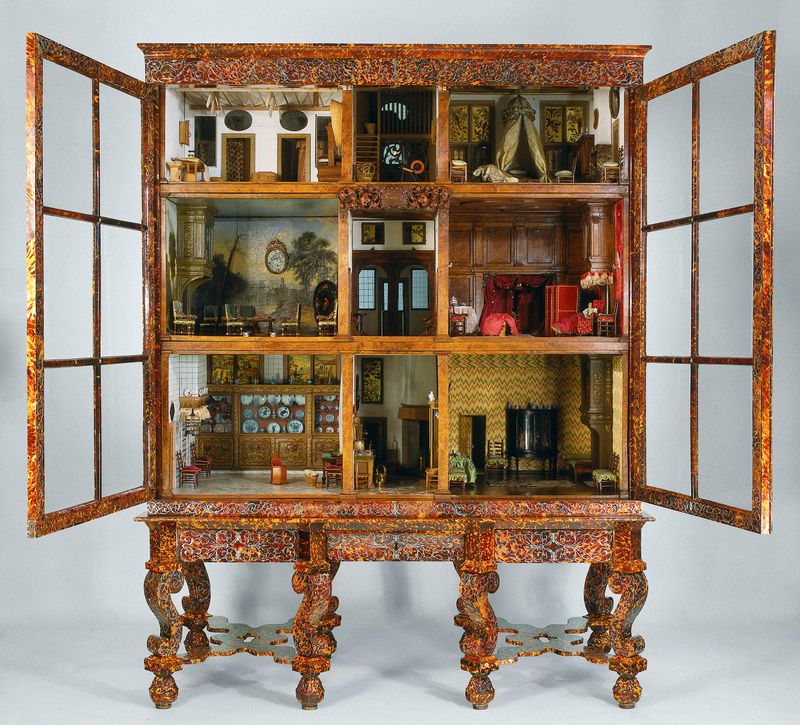
Dolls’ house of Petronella Oortman
Unknown Artist
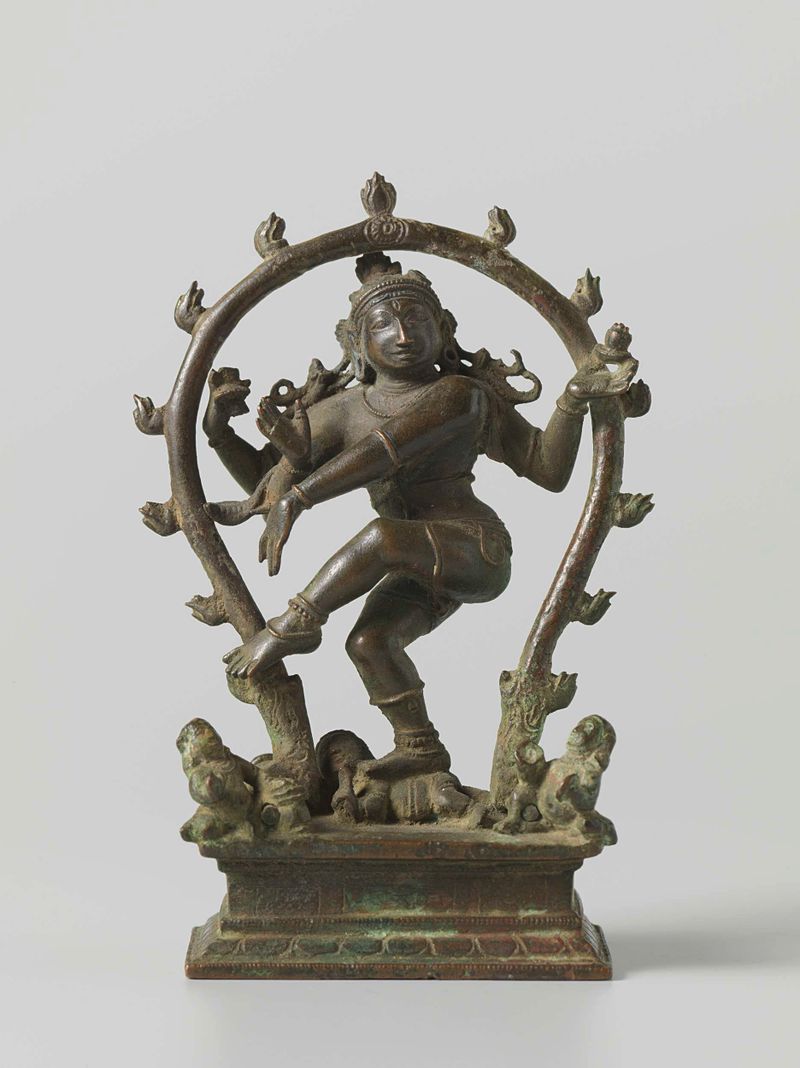
Shiva Nataraja
Unknown Artist

The Tale of Genji
Unknown Artist

The Tale of Genji
Unknown Artist

Cong
Unknown Artist
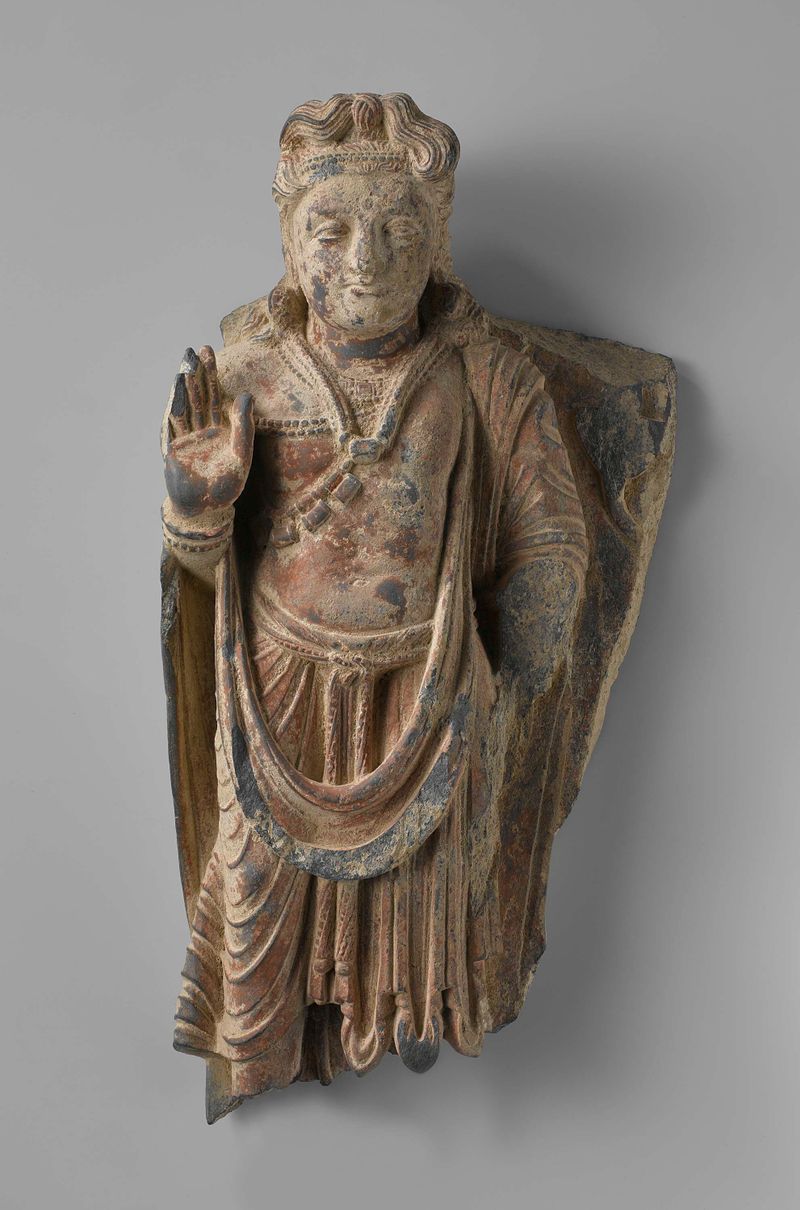
The bodhisattva Maitreya
Unknown Artist

Teabowl with a 'hare's fur' glaze
Unknown Artist