Tea caddy — History & Facts
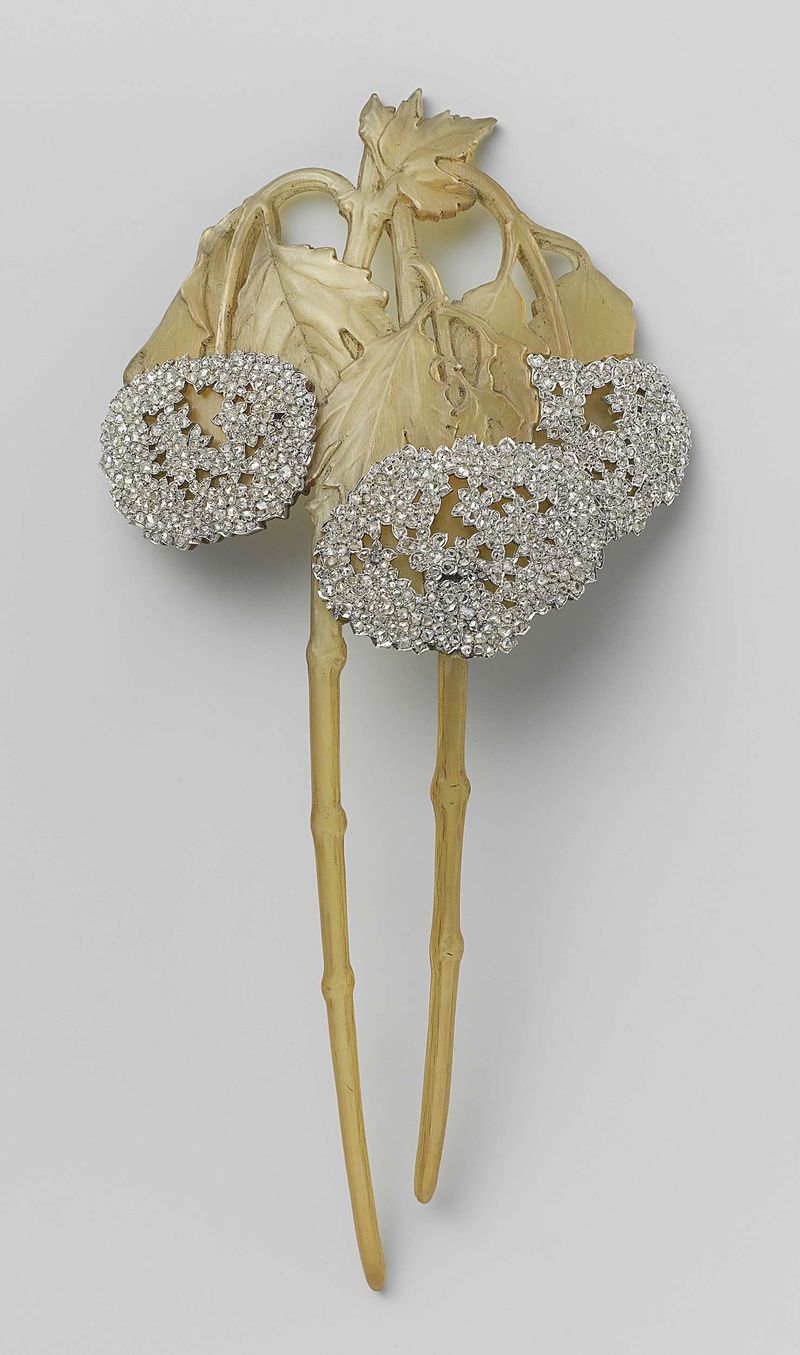
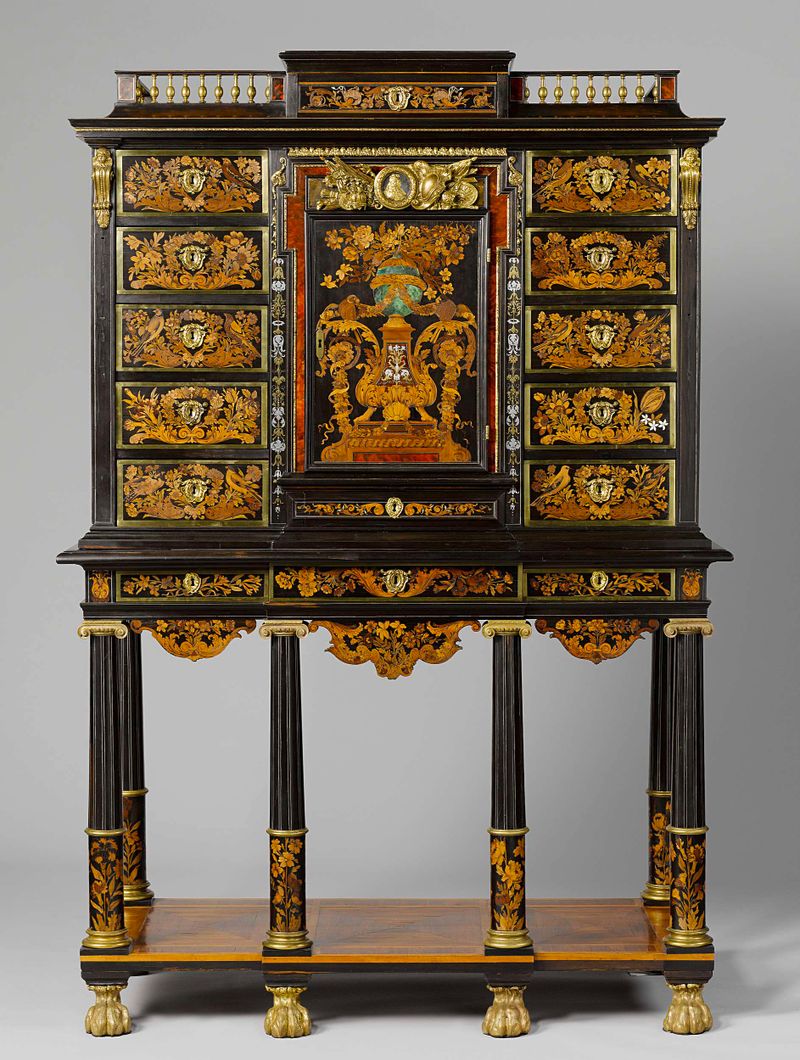
Is this a mirror — or a memory? The delicate surface of the tea caddy beckons with an air of nostalgia, inviting contemplation on the passage of time and the layers of lives it has touched. Look closely at the intricate details of the caddy’s design, where floral motifs intertwine with graceful curves. Notice how the light glimmers upon its polished surface, revealing a depth that seems to hold secrets of the past. The warm, earthy tones suggest not only the richness of the materials but also the warmth of shared moments over tea, offering a glimpse into the everyday lives of those who once gathered around it. Yet, lurking beneath its beauty lies a poignant contrast — the treasured object now sits silently, a vessel of longing for connection and lost conversations.
As you observe the subtle imperfections in the craftsmanship, you sense the hands of an unknown artist who poured care and intention into each detail, suggesting a deep yearning for remembrance and continuity. The tea caddy transforms from mere utility into a vessel of emotion, encapsulating the essence of human experience. Created in the late 17th to early 18th century, this piece emerges from a period marked by cultural exchange and refinement. The artist was part of a broader movement that celebrated the artistry of everyday objects, influencing the decorative arts during a time when tea became a symbol of social status.
The caddy stands as a testament to that evolving narrative, inviting us to ponder its journey through history and the lives it has silently witnessed.
More Artworks by Unknown Artist
Browse all →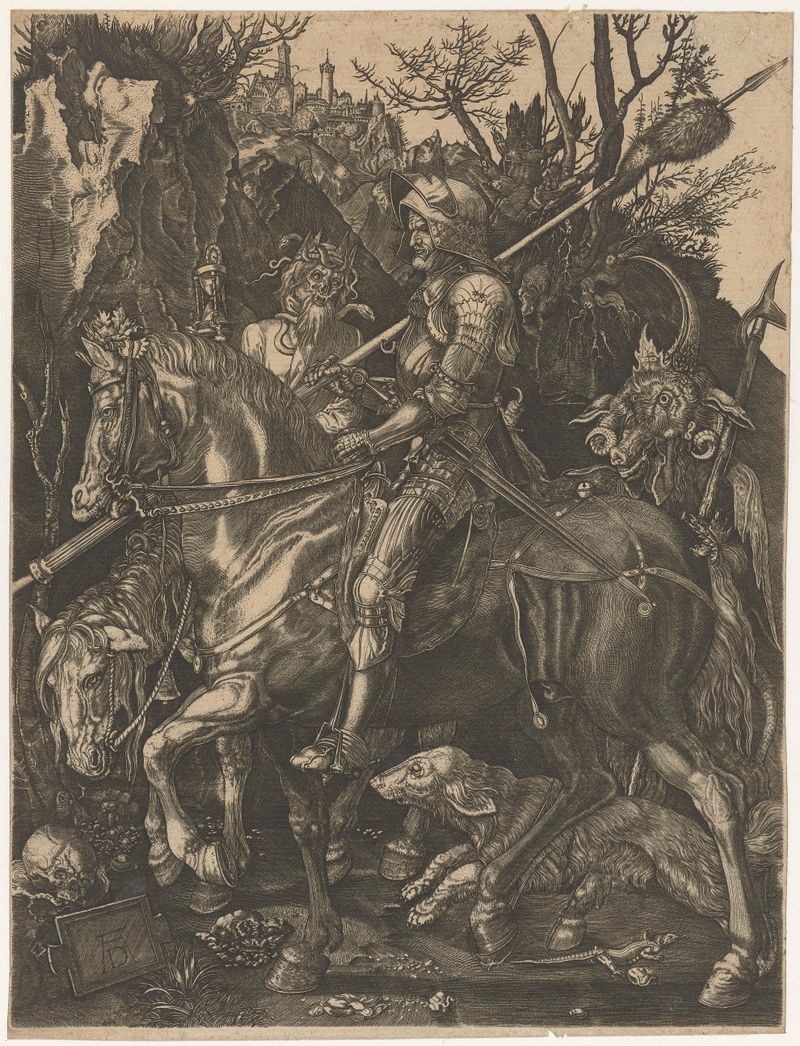
Ridder, Dood en Duivel
Unknown Artist
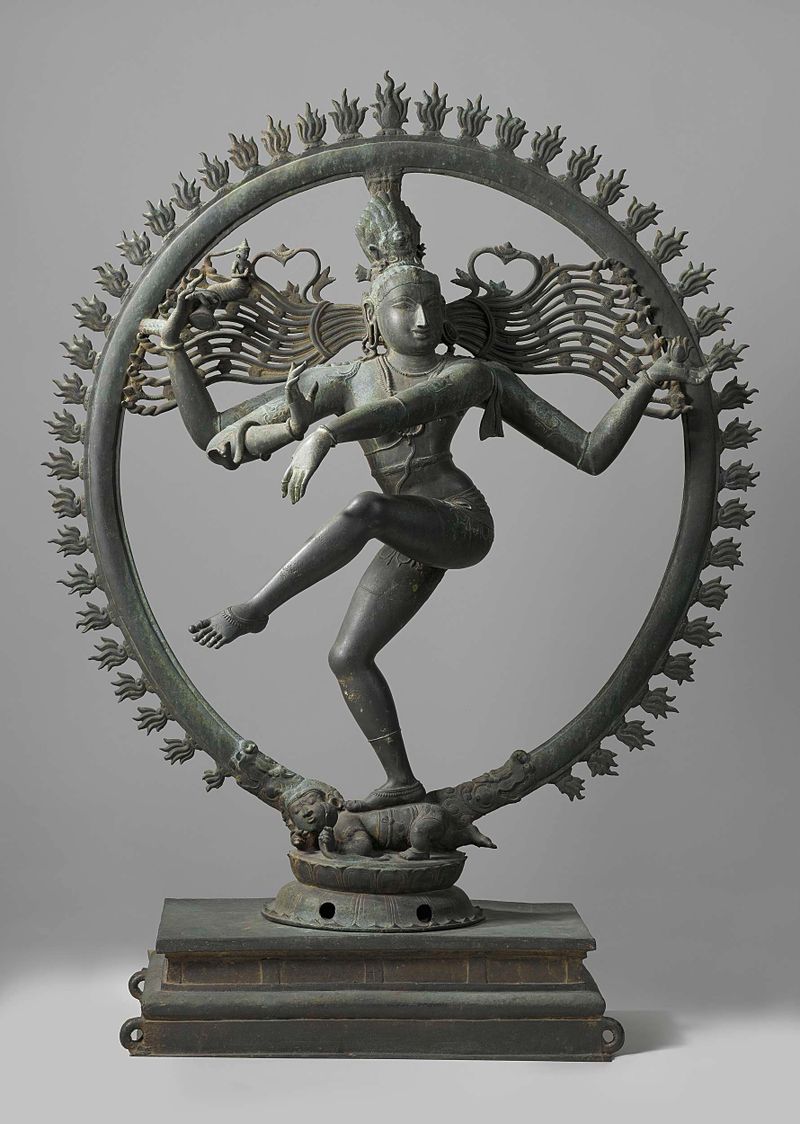
Shiva Nataraja
Unknown Artist
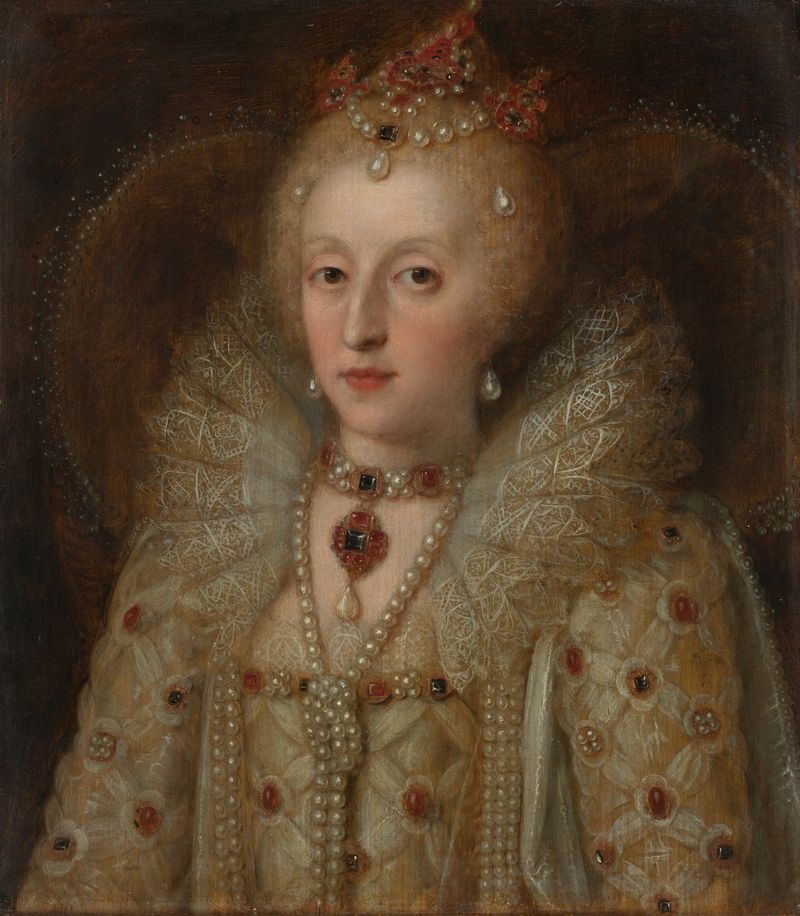
Portrait of Elizabeth I, Queen of England
Unknown Artist
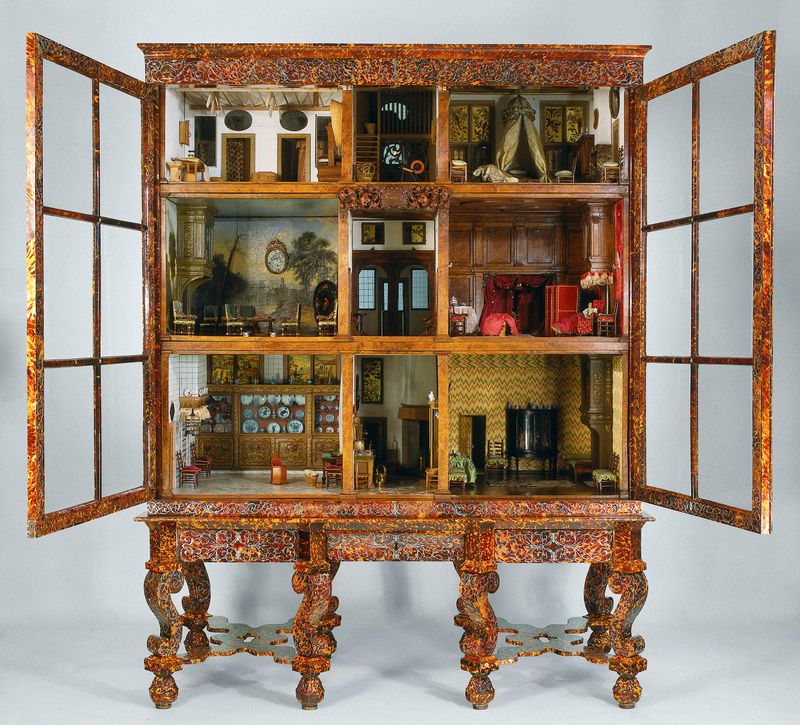
Dolls’ house of Petronella Oortman
Unknown Artist
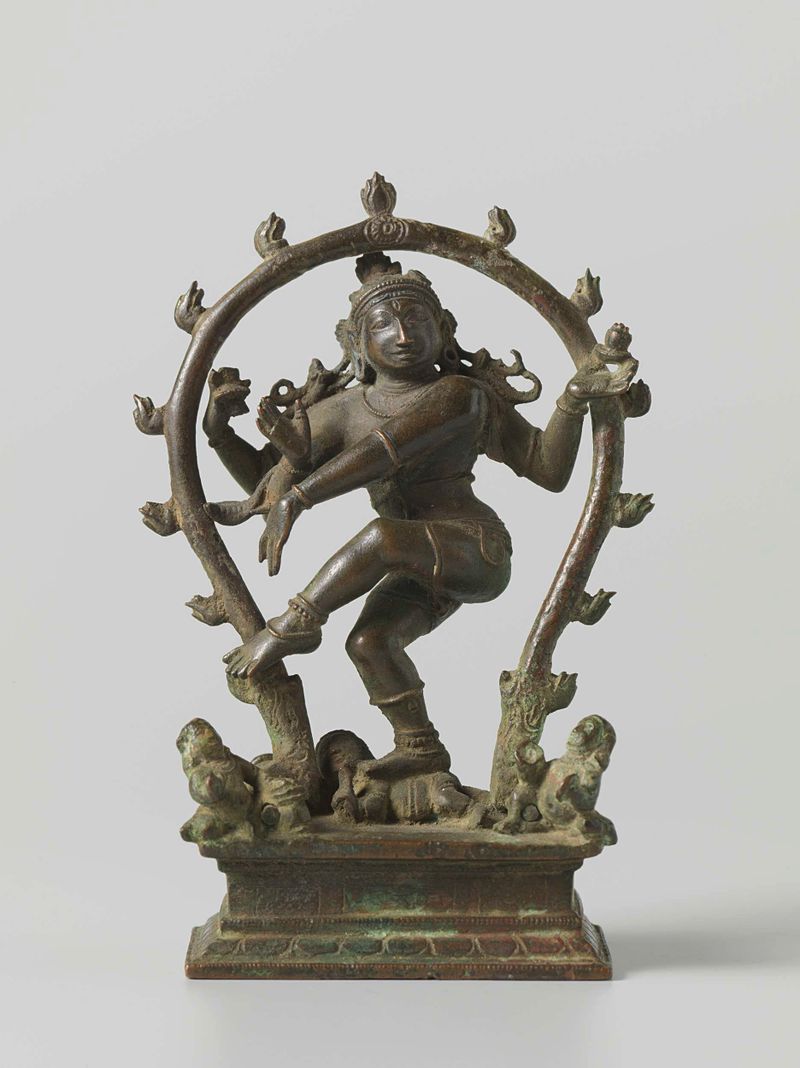
Shiva Nataraja
Unknown Artist

The Tale of Genji
Unknown Artist

The Tale of Genji
Unknown Artist
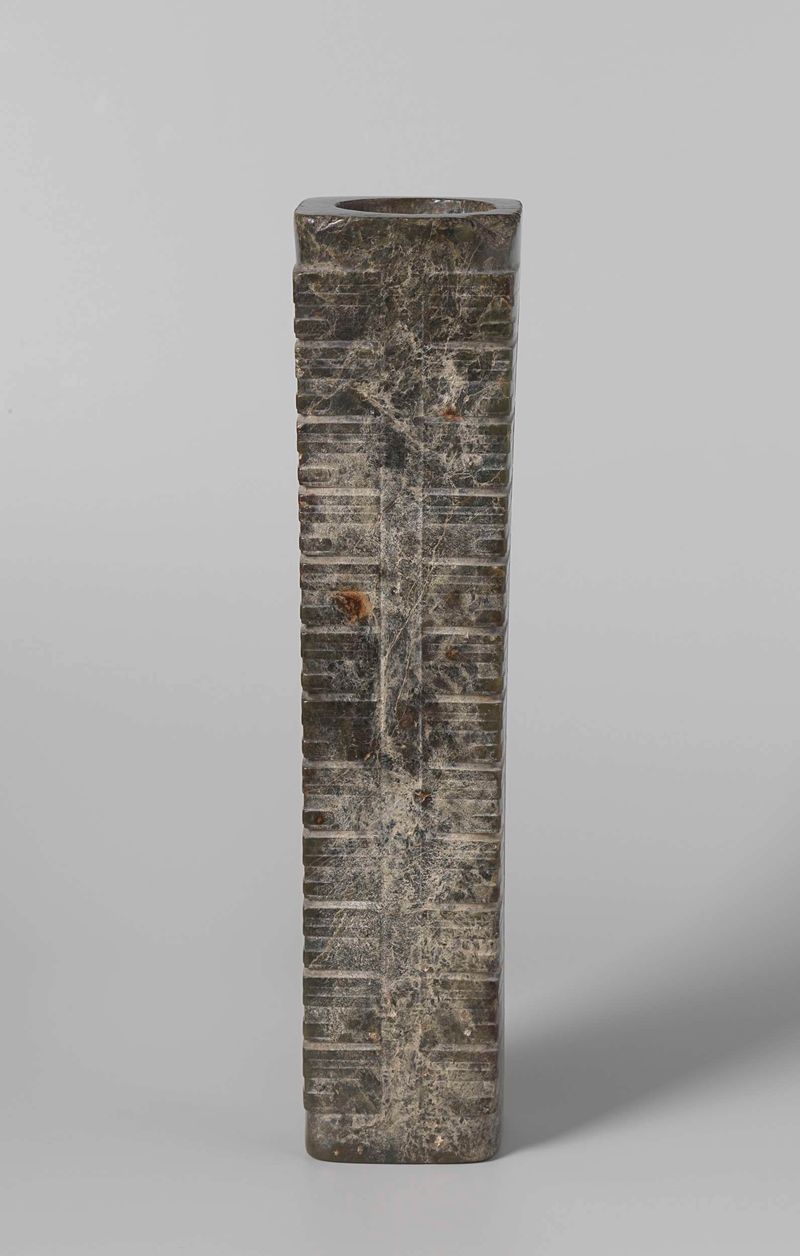
Cong
Unknown Artist
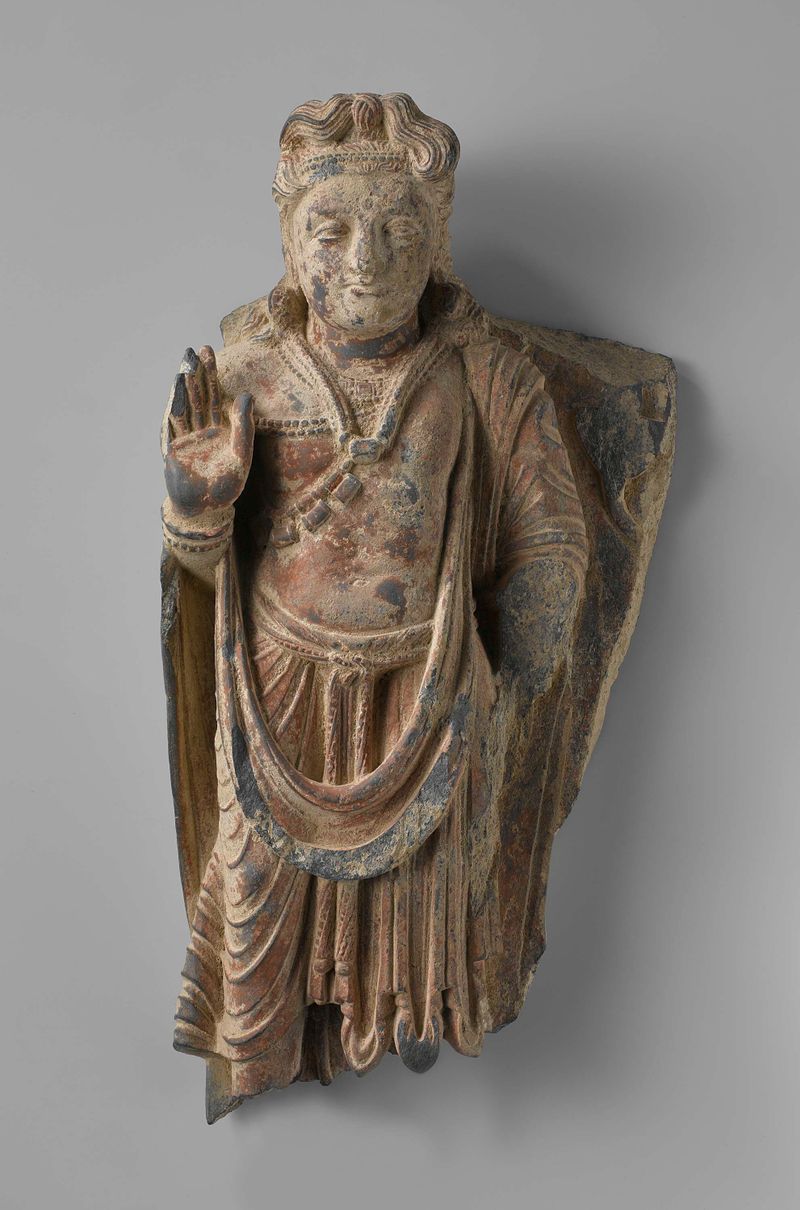
The bodhisattva Maitreya
Unknown Artist
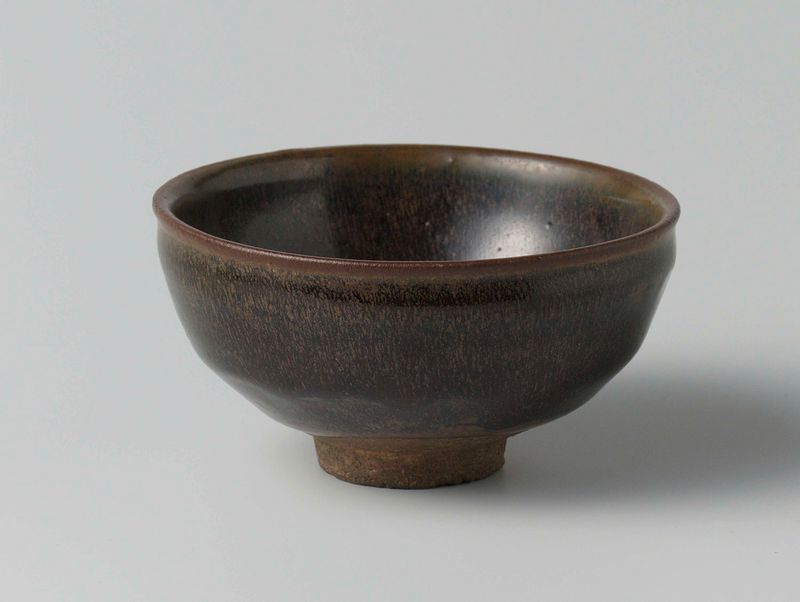
Teabowl with a 'hare's fur' glaze
Unknown Artist