Teabowl with chrysanthemums — History & Facts
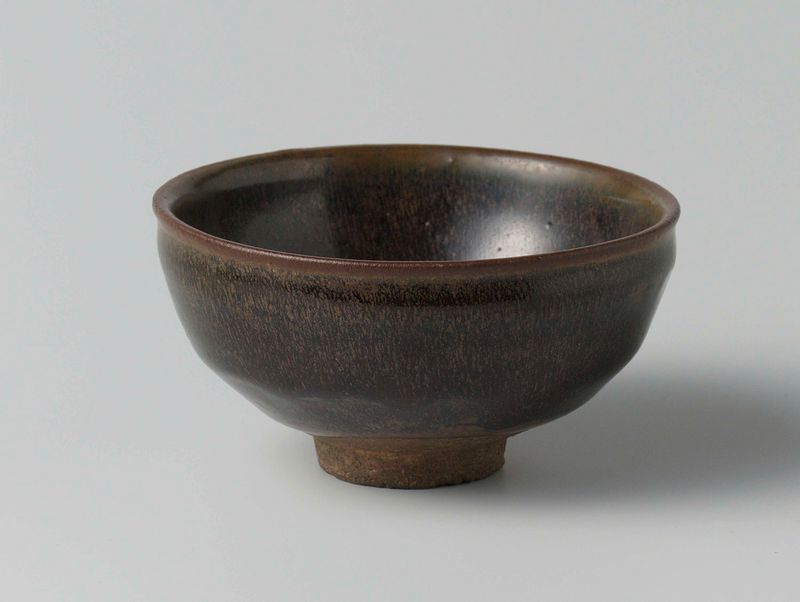
Could beauty survive in a century of chaos? This question lingers, haunting as it is poignant, especially in the context of an era marked by both exquisite craftsmanship and profound unrest. Look closely at the teabowl's surface, where delicate chrysanthemums unfurl in intricate detail. The soft, muted palette features earthy tones that suggest both vitality and decay, inviting the viewer to draw near. Notice how the texture of the glaze captures the light, creating a play of shadows that dances across the flowers, hinting at impermanence.
This juxtaposition of beauty and fragility evokes a fleeting moment, a reminder of the transient nature of life itself. The choice of chrysanthemums, traditionally symbols of resilience and longevity in Japanese culture, adds depth to this piece. However, they bloom against a backdrop that speaks of time's relentless passage and the inevitable decay of all things beautiful. The teabowl, while a vessel for tea, also becomes a vessel for contemplation, opening a dialogue on the nature of existence during an age fraught with upheaval. Created in Japan between 1850 and 1899, this work reflects a transitional period in art where traditional aesthetics confronted modernity.
The artist remains unknown, but their creation speaks to the cultural shifts occurring in a country poised on the brink of modernization. Influences from both Eastern and Western art began to merge, leaving behind a legacy that captures beauty amidst chaos, embodying the struggle for harmony in an ever-changing world.
More Artworks by Unknown Artist
Browse all →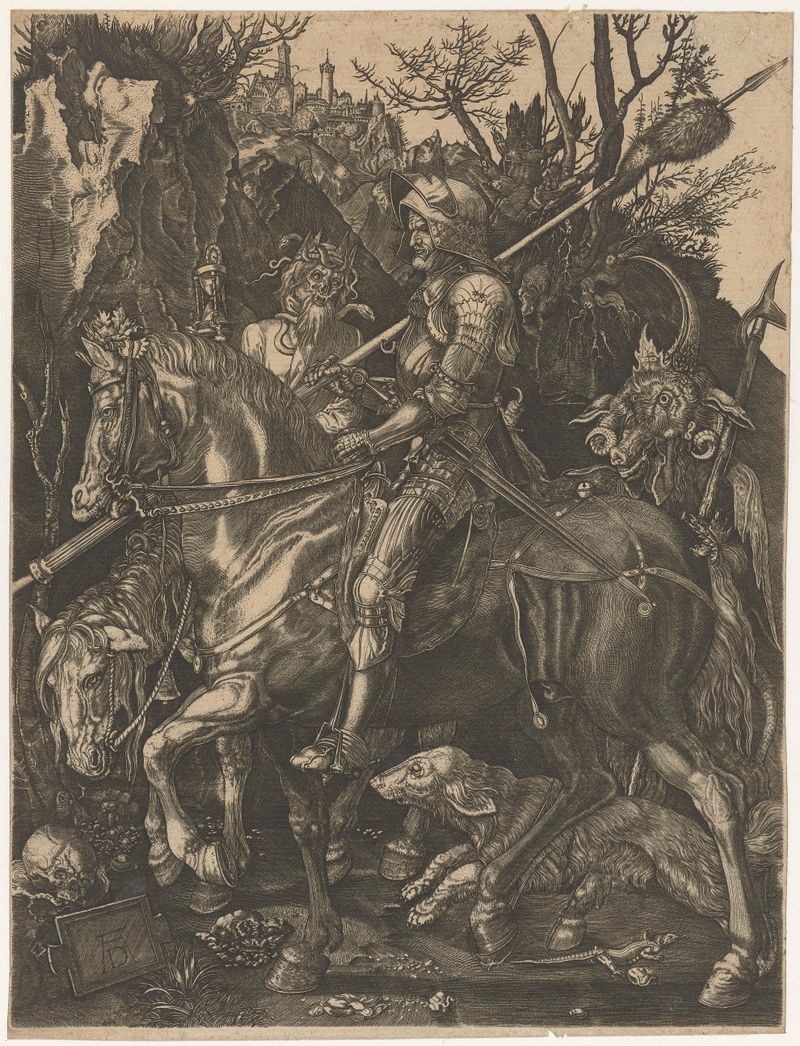
Ridder, Dood en Duivel
Unknown Artist
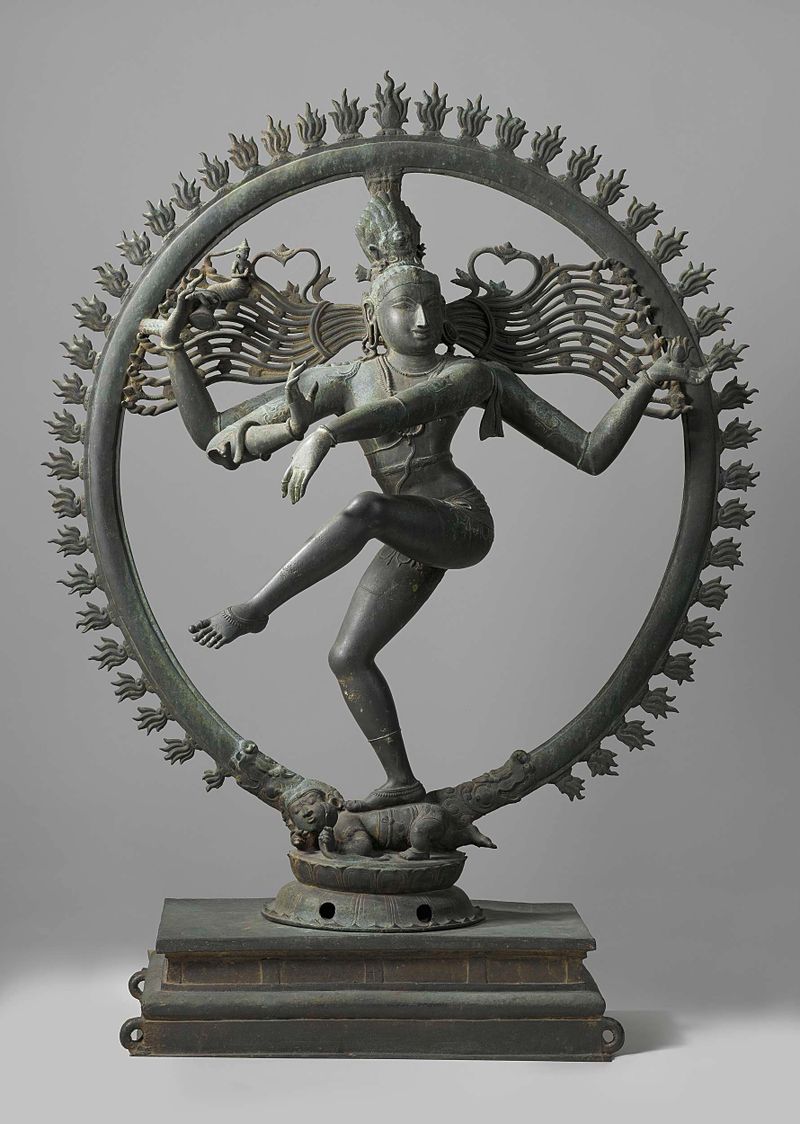
Shiva Nataraja
Unknown Artist

Portrait of Elizabeth I, Queen of England
Unknown Artist
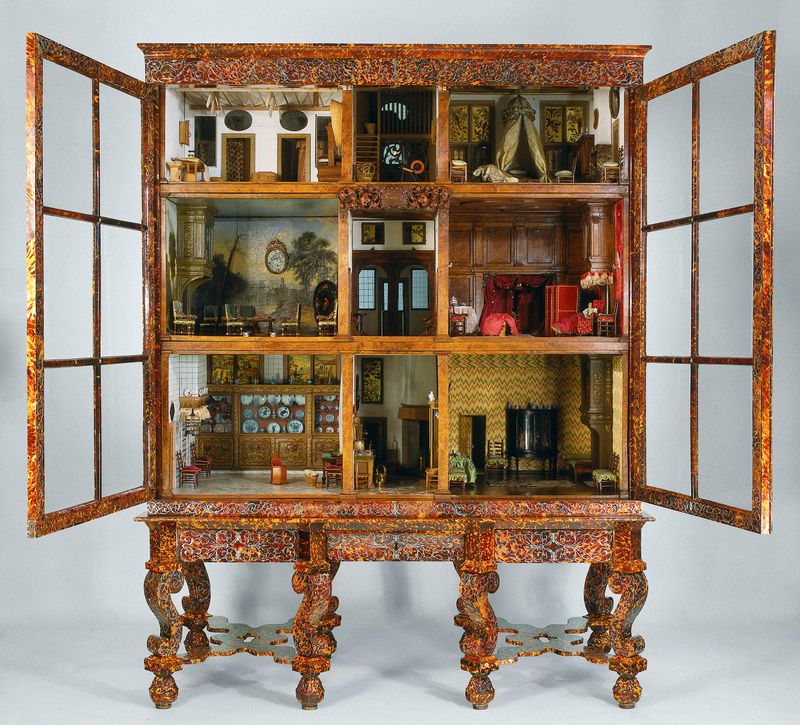
Dolls’ house of Petronella Oortman
Unknown Artist
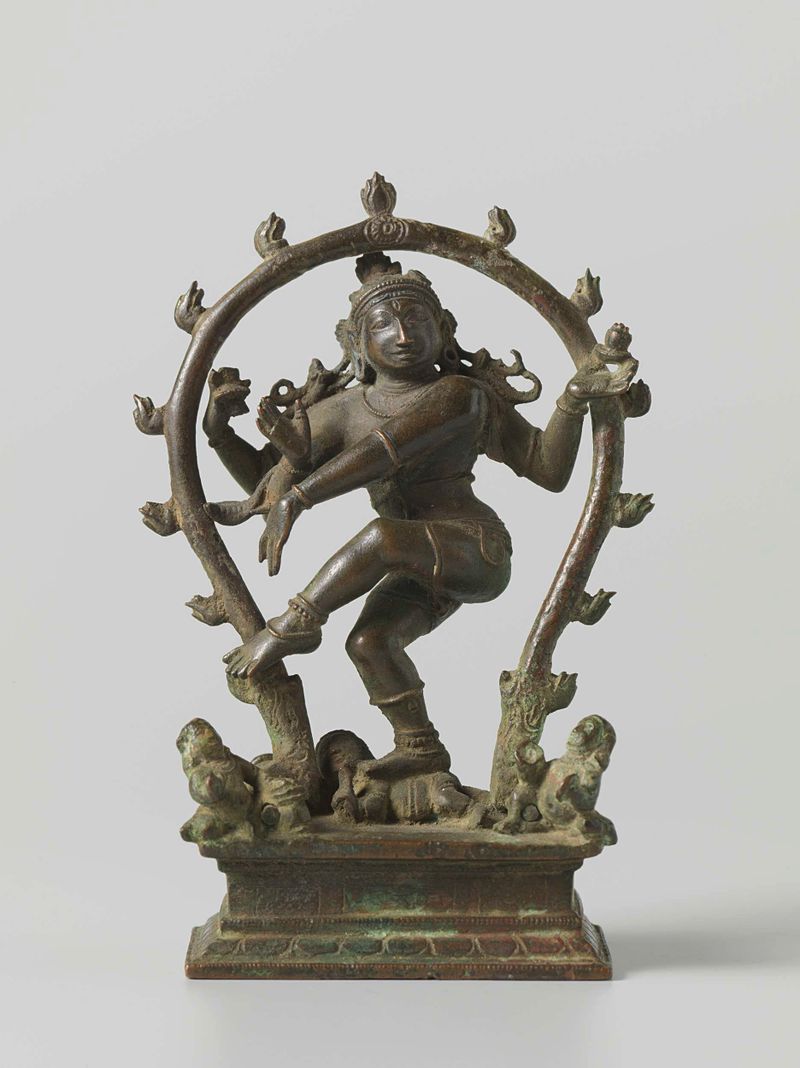
Shiva Nataraja
Unknown Artist

The Tale of Genji
Unknown Artist

The Tale of Genji
Unknown Artist
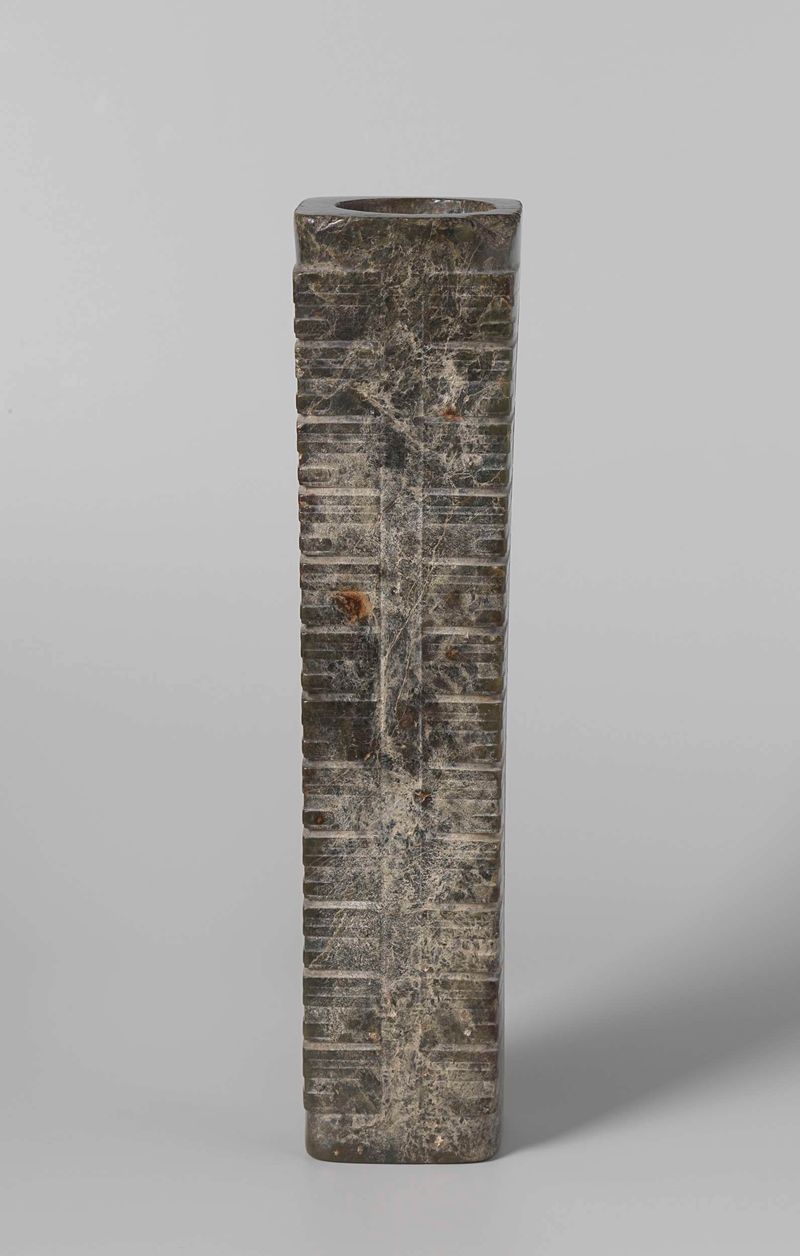
Cong
Unknown Artist
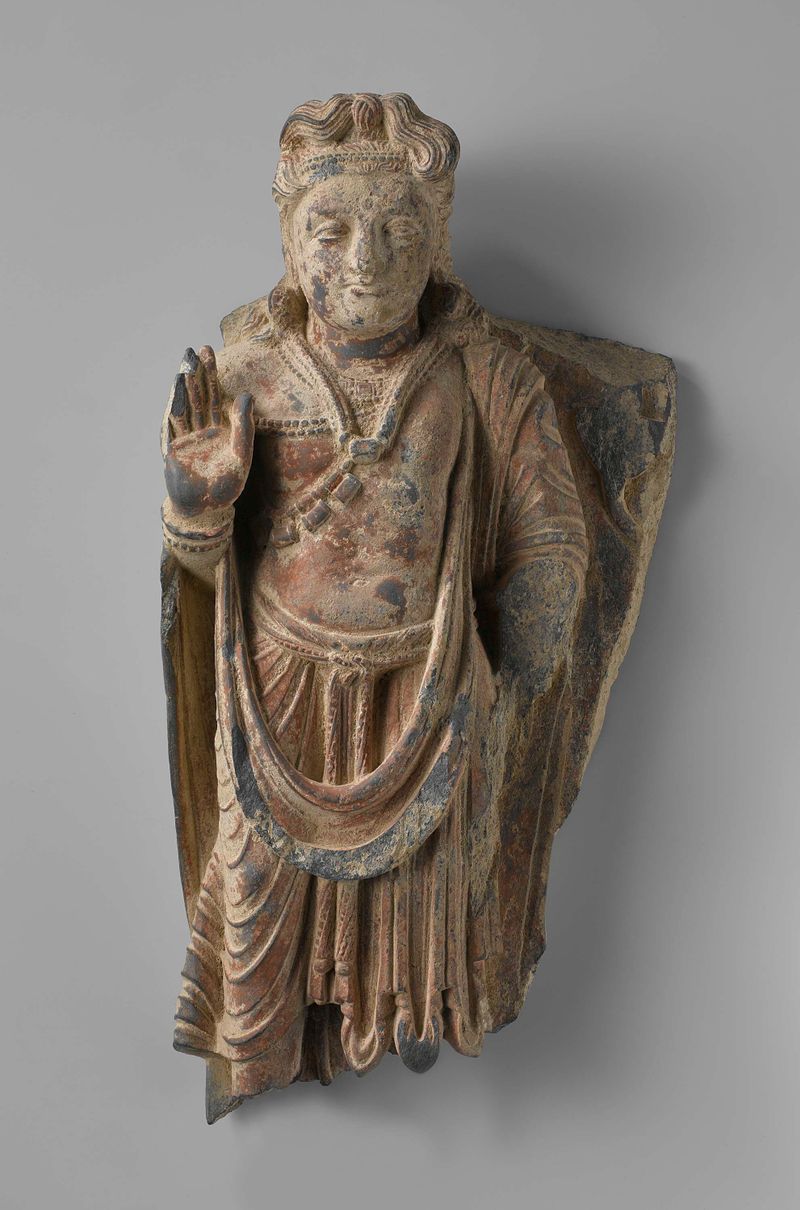
The bodhisattva Maitreya
Unknown Artist
Teabowl with a 'hare's fur' glaze
Unknown Artist