Teapot — History & Facts
What if beauty was never meant to be finished? The allure of a delicate teapot transcends time, whispering secrets of artistry and purpose wrapped in layers of betrayal. Look closely at the graceful curves and intricate detailing of the teapot’s handle, where the craftsmanship reveals a tension between function and beauty. Notice how the glimmer of glaze captures light, casting soft reflections that dance, inviting admiration while hinting at an underlying fragility. Each floral motif tells a story of nature's splendor, yet the exquisite exterior belies the potential for hidden discord—what lies beneath this porcelain facade? Delve into the symbolism of the teapot: a vessel for warmth and sharing, it embodies the delicate balance of trust.
The subtle imperfections in its design evoke a sense of vulnerability, suggesting that even the most beautiful creations may hide betrayals or disappointments. Each sip of tea from this vessel symbolizes intimacy, yet it carries the weight of unspoken secrets, reminding us that beauty often disguises deeper complexities. Created between 1700 and 1740, this piece reflects a time when European decorative arts flourished, shaped by influences from Asia and the emerging tastes of aristocratic society. The unknown artist, working in a period marked by trade and cultural exchange, contributed to a burgeoning appreciation for fine porcelain, navigating the tension between artistic excellence and the demand for commercial success.
In this era, every handcrafted piece told a narrative, inviting viewers to ponder not only its beauty but also what lies beneath the surface.
More Artworks by Unknown Artist
Browse all →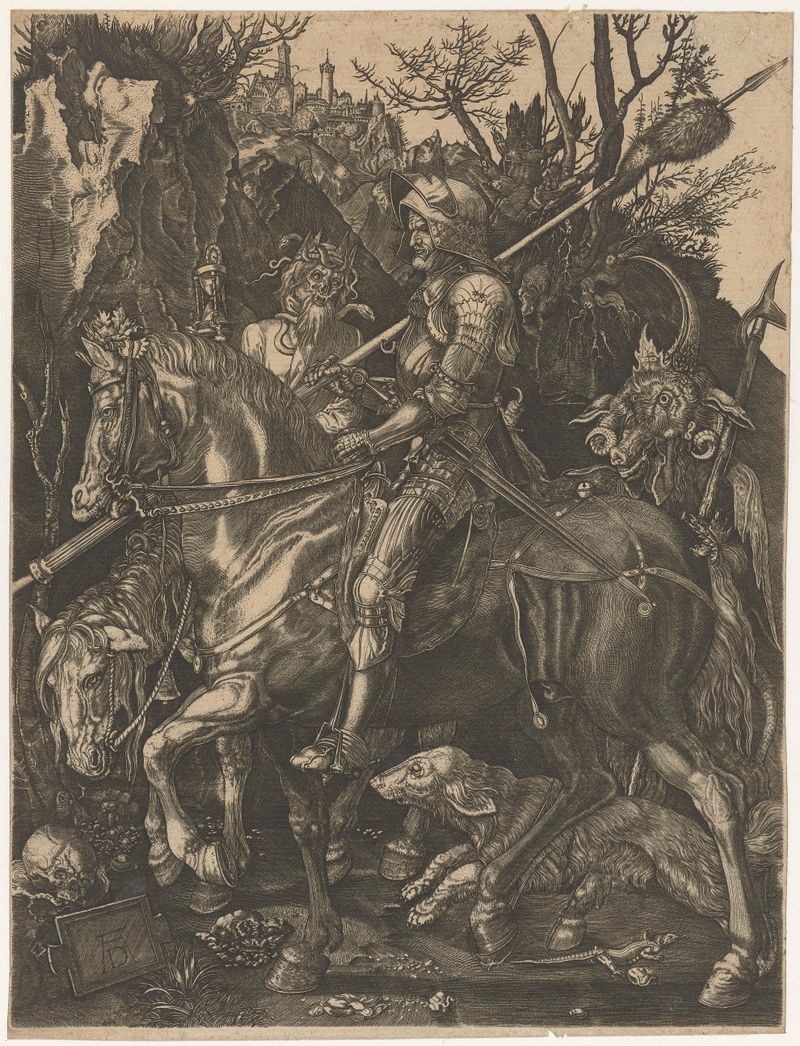
Ridder, Dood en Duivel
Unknown Artist
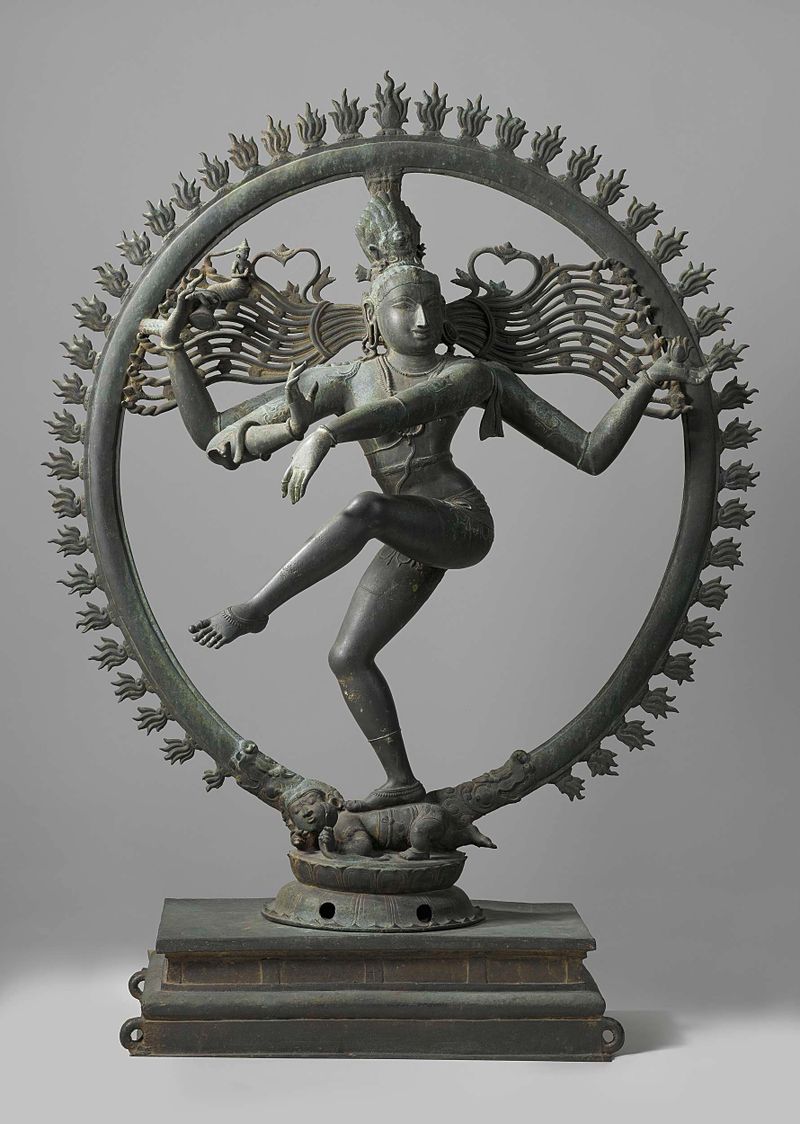
Shiva Nataraja
Unknown Artist
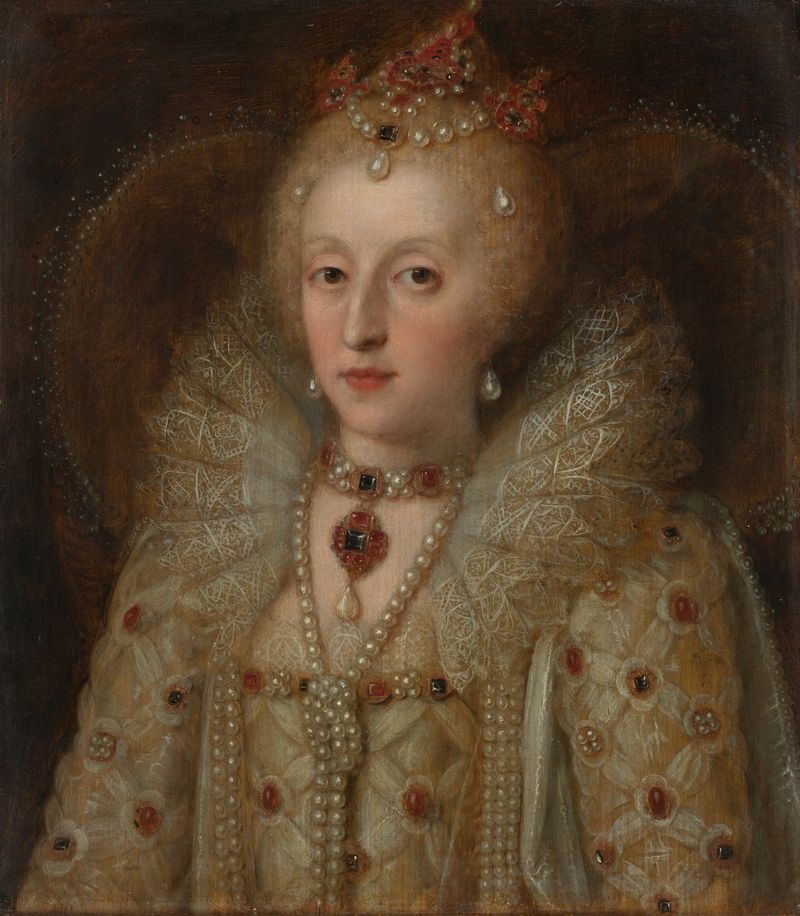
Portrait of Elizabeth I, Queen of England
Unknown Artist
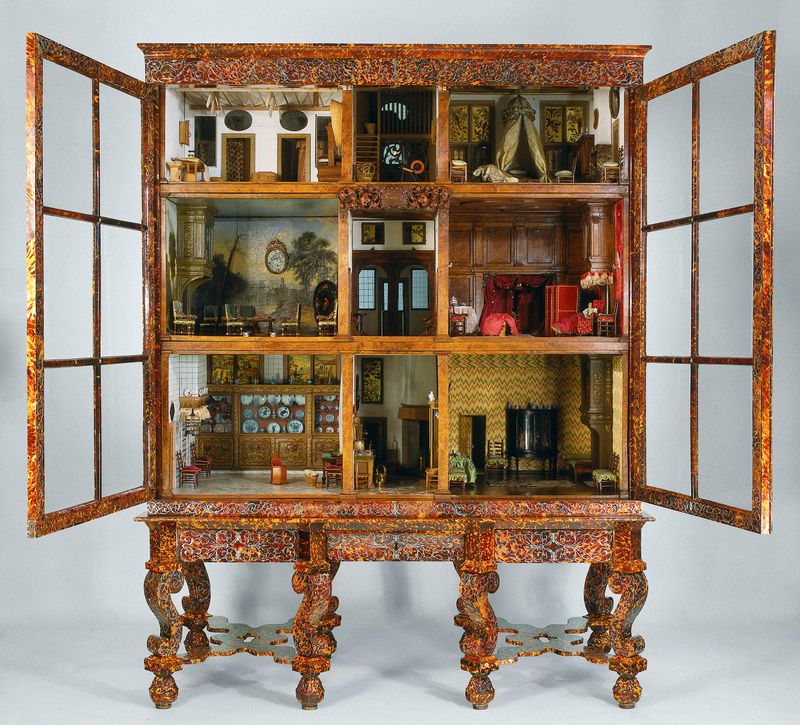
Dolls’ house of Petronella Oortman
Unknown Artist
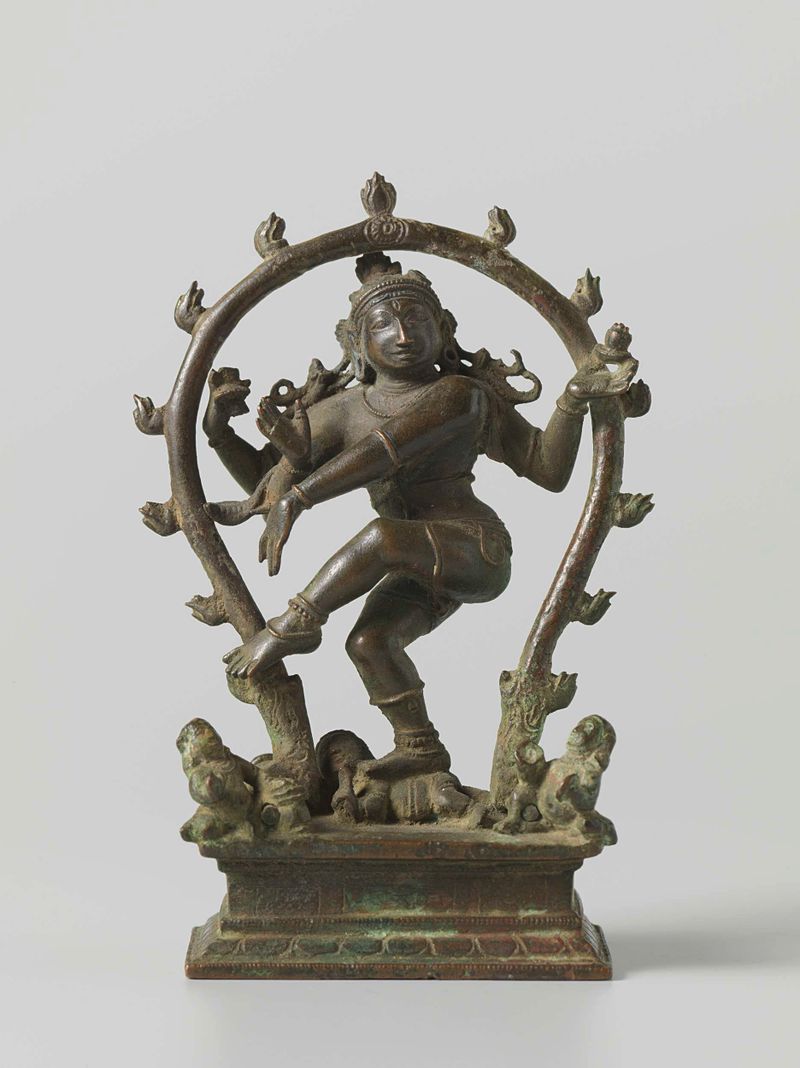
Shiva Nataraja
Unknown Artist

The Tale of Genji
Unknown Artist

The Tale of Genji
Unknown Artist
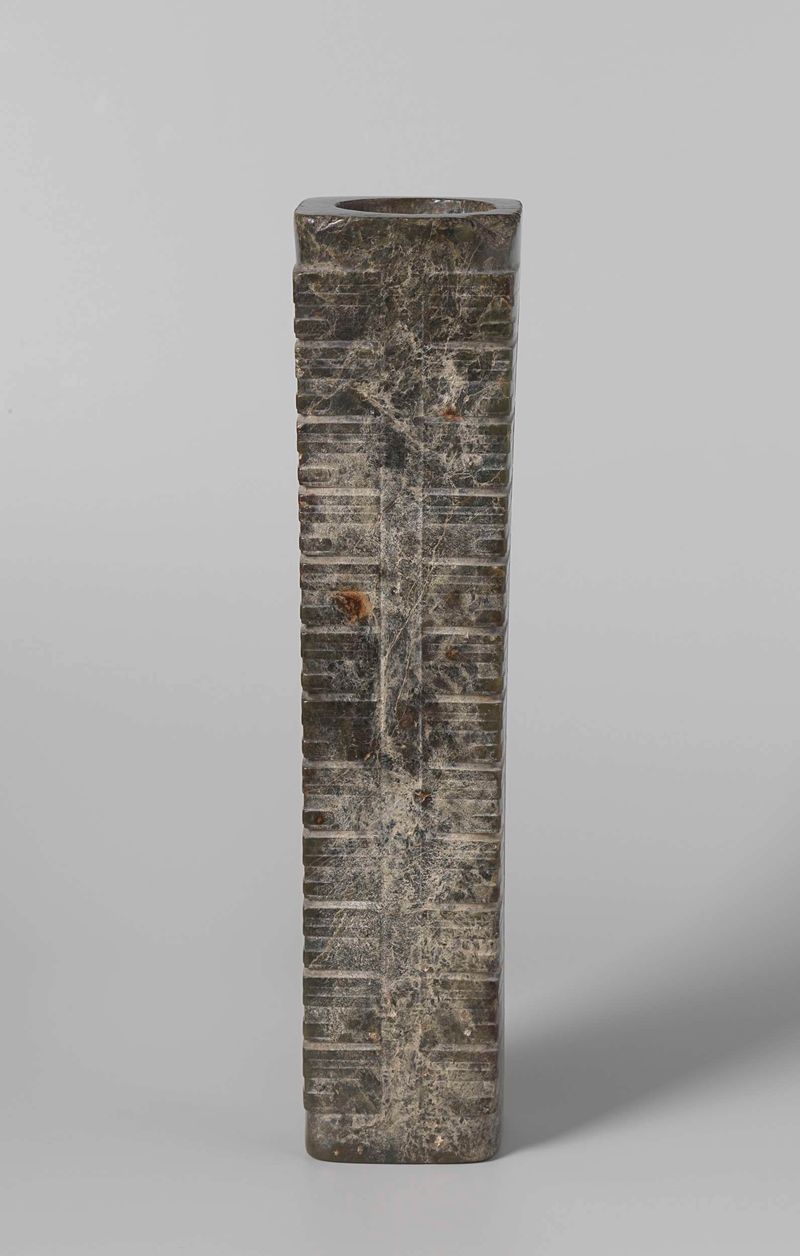
Cong
Unknown Artist
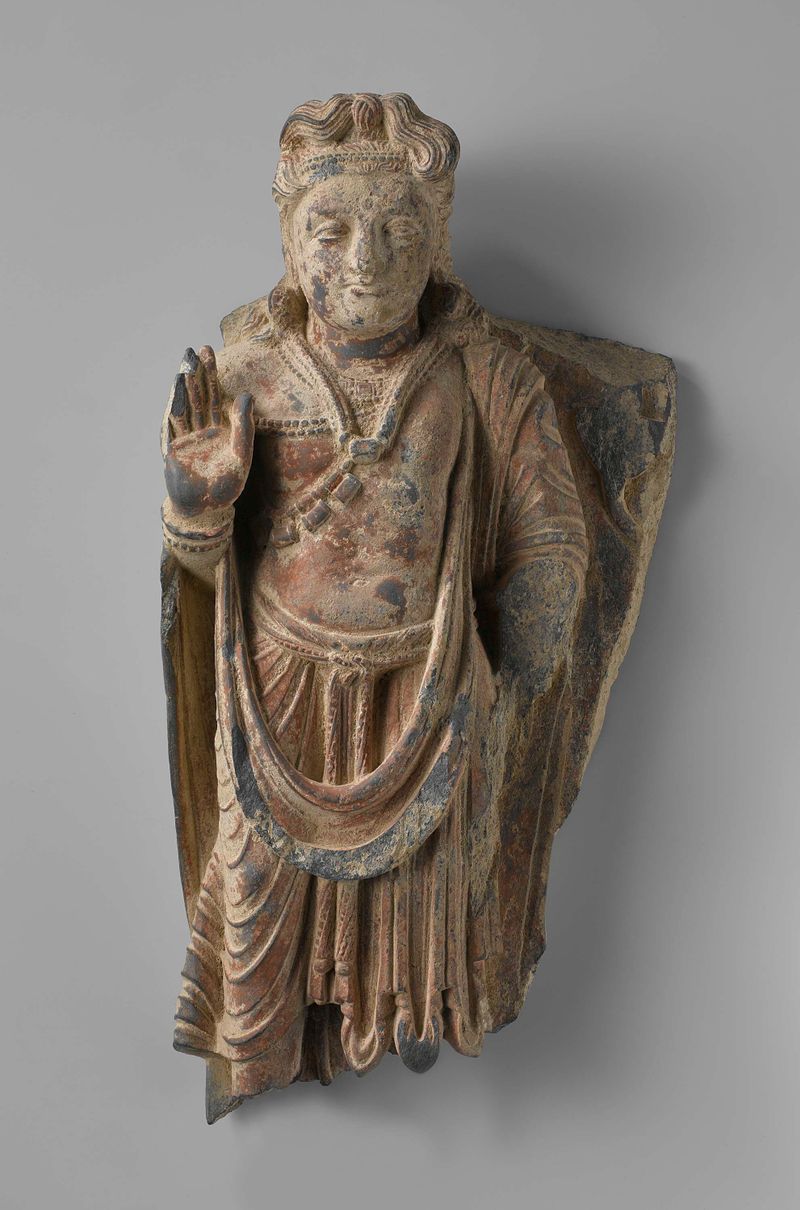
The bodhisattva Maitreya
Unknown Artist
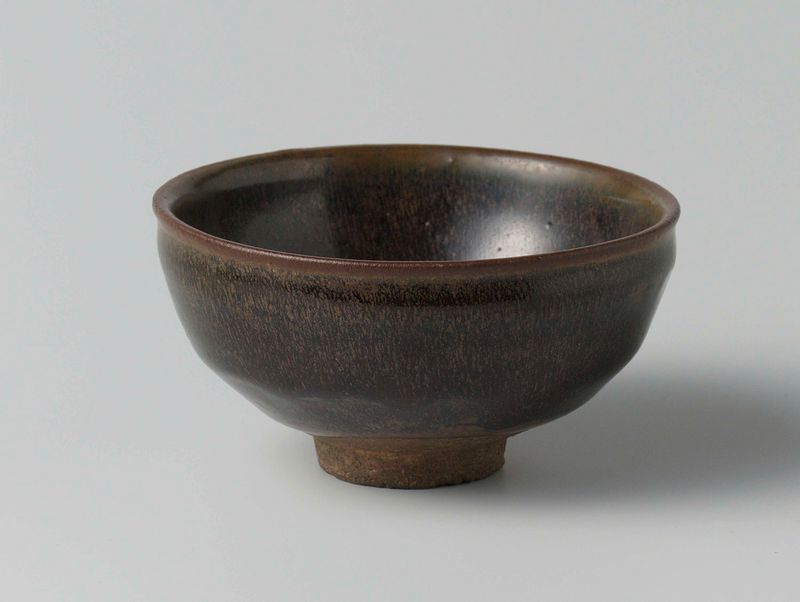
Teabowl with a 'hare's fur' glaze
Unknown Artist