Teatime — History & Facts
Who listens when art speaks of silence? In a world bustling with noise, Anna De Weert’s Teatime captures a delicate pause, a moment where creation and contemplation converge. Focus on the serene tableau set before you. The soft, muted color palette envelops the scene, guiding your gaze first to the elegantly arranged teacup and saucer at the center. The light filters through a nearby window, casting gentle shadows that dance across the table, enhancing the warmth of the porcelain.
Notice how the delicate hand of the woman reaches toward the teapot, her gesture fluid and tender, suggesting intimacy in the mundane ritual of tea. As you delve deeper, consider the interplay between the solidity of the objects and the ephemeral quality of the moment. The juxtaposition of the ornate china against the simple wooden table suggests a clash between tradition and the ordinary, while the woman's thoughtful expression reflects an internal dialogue that transcends words. Each element, from the steam rising from the cup to the hints of pastel colors, speaks volumes about comfort, reflection, and the quiet joy found in shared experiences. In 1911, De Weert painted this piece during a time when art was moving towards modernism, seeking new expressions of everyday life.
Working in Belgium, she was part of a burgeoning artistic community that valued both tradition and innovation. This period saw artists embracing domestic scenes, and Teatime stands as a testament to that evolution, merging realism with a subtle exploration of the human experience.
More Artworks by Anna De Weert
Browse all →
Summer Morning
Anna De Weert
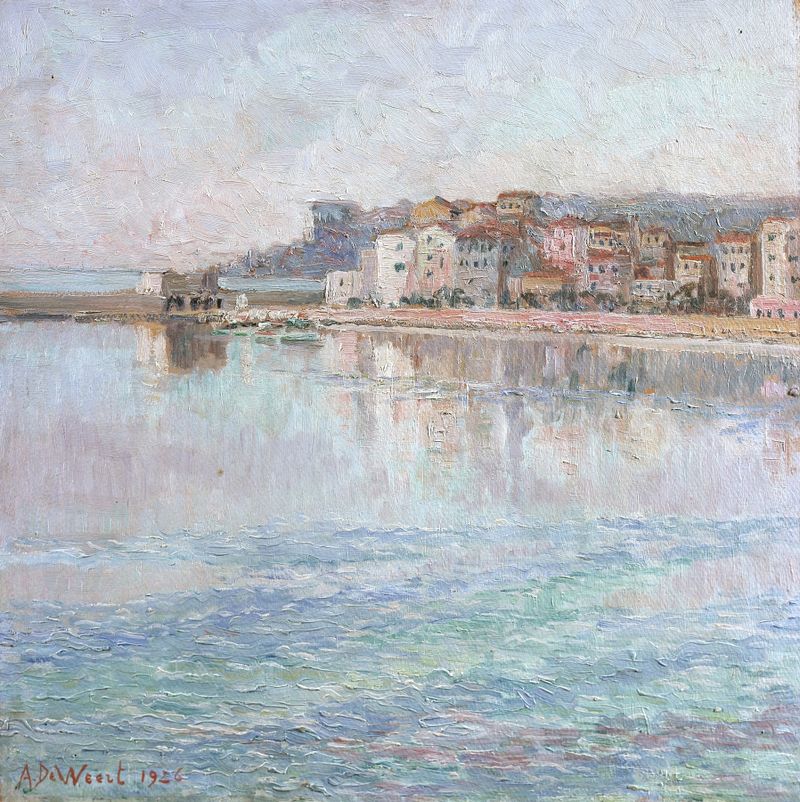
Reflections on the Sea near Menton (Côte d’Azur)
Anna De Weert

Mijn atelier in juni
Anna De Weert

Old Olive Trees
Anna De Weert
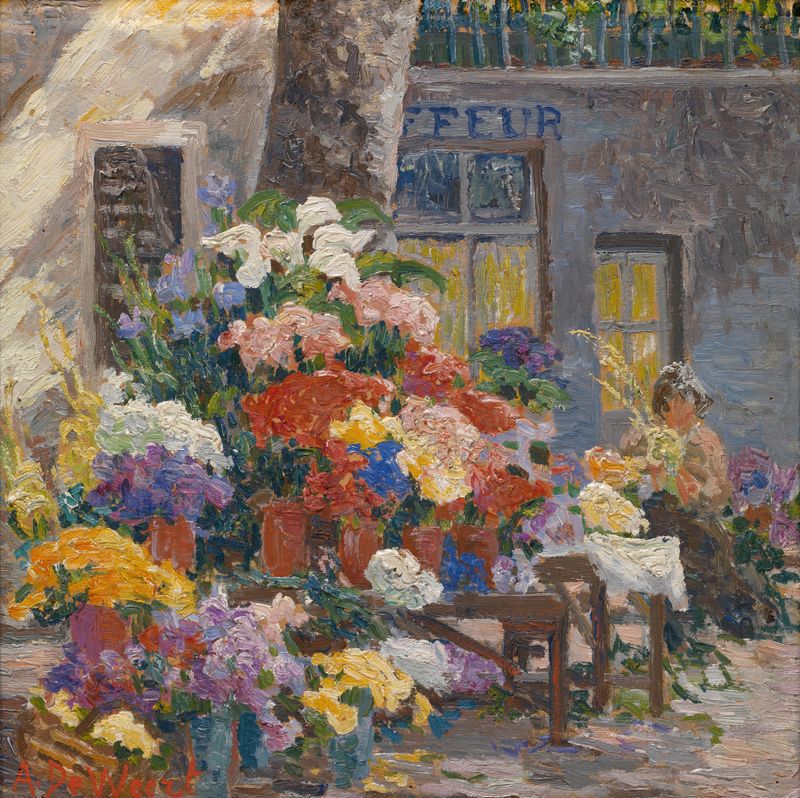
Flower Market at Menton (Côte d’Azur)
Anna De Weert

Old Olive Trees
Anna De Weert
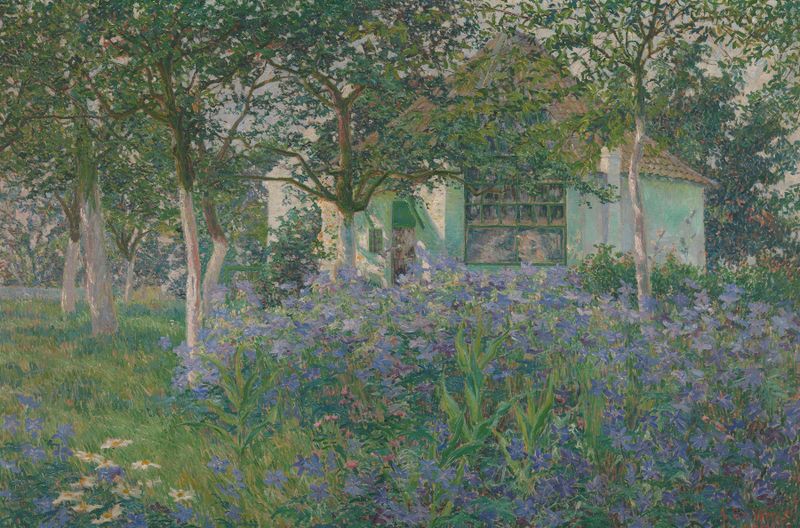
My Studio in June
Anna De Weert
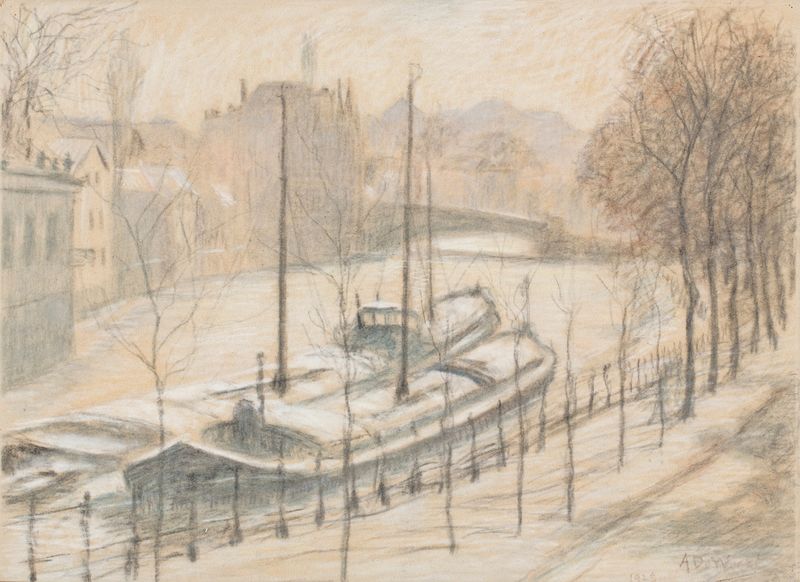
Snow-covered Barges
Anna De Weert

The Coupure in Ghent
Anna De Weert
Walnut in the Mist
Anna De Weert