Tegel — History & Facts
What if beauty was never meant to be finished? In a world where time eternally erases the delicate threads of life, the artwork evokes a bittersweet longing that lingers in the soul. Look to the deep hues that dance across the surface, inviting the viewer to trace their fingers along the intricate patterns of this tile. The muted colors blend seamlessly, creating a depth that suggests both vibrancy and decay. The careful arrangement of geometric designs plays with the eye, while the subtle imperfections reveal the human hand behind their creation.
Each element tells a story of labor, patience, and artistry, while simultaneously hinting at the passing of time. Within this piece lies a profound sense of melancholy. The beauty, though striking, is transient—a reflection of life's fleeting moments that can never be reclaimed. Notice how the aged surface bears the marks of history, suggesting a longing for a past that can only be felt in memory.
It's an exploration of nostalgia, as if the artist captured not just the tile, but the essence of a moment suspended between joy and sorrow. Created sometime between 1750 and 1850, this tile represents a period of artistic exploration and cultural shifts. The unknown artist, likely influenced by the evolving styles of their time, contributed to a tradition of craftsmanship that celebrated both beauty and functionality. The world was changing; new techniques were emerging, yet this artwork quietly captures the weight of time, whispering tales of lives intertwined with the art of creation.
More Artworks by Unknown Artist
Browse all →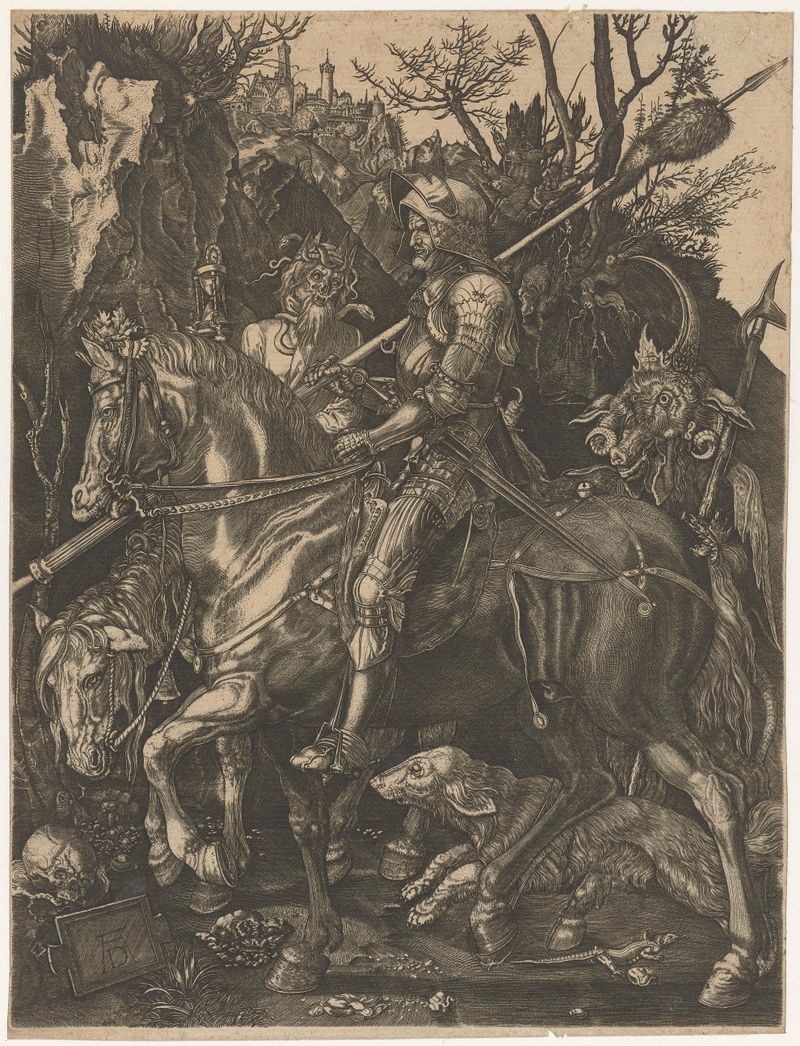
Ridder, Dood en Duivel
Unknown Artist
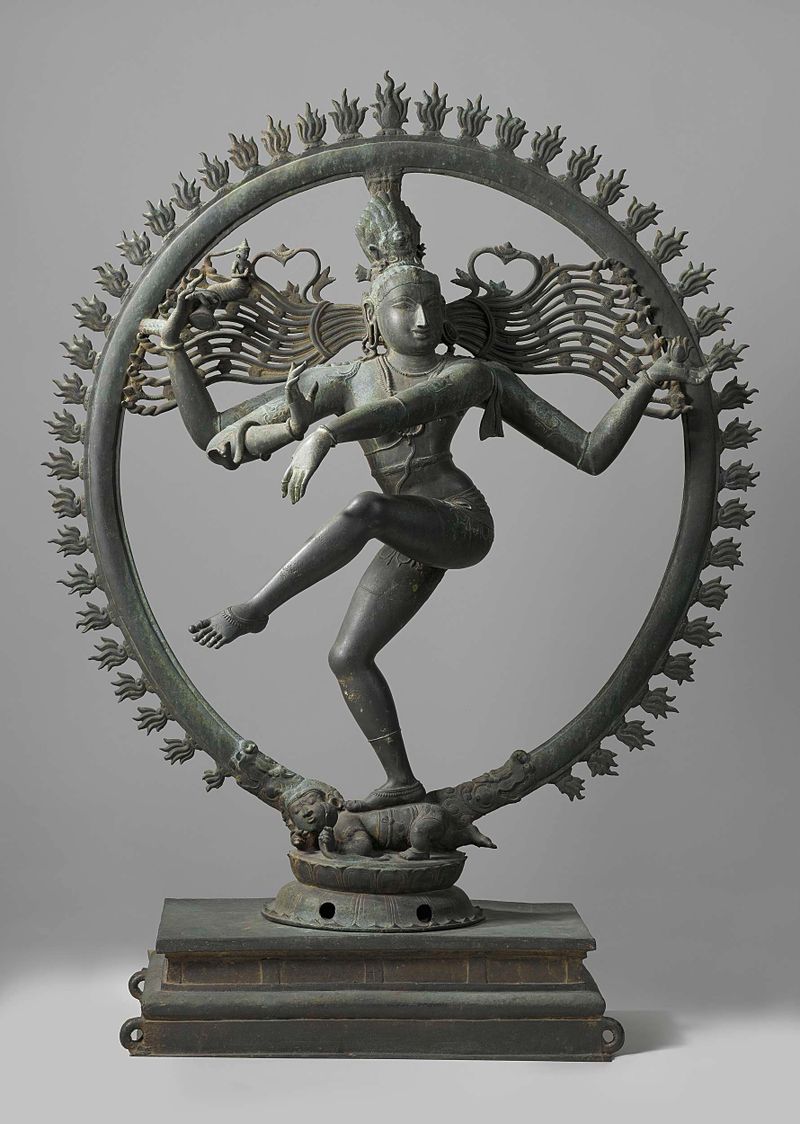
Shiva Nataraja
Unknown Artist

Portrait of Elizabeth I, Queen of England
Unknown Artist
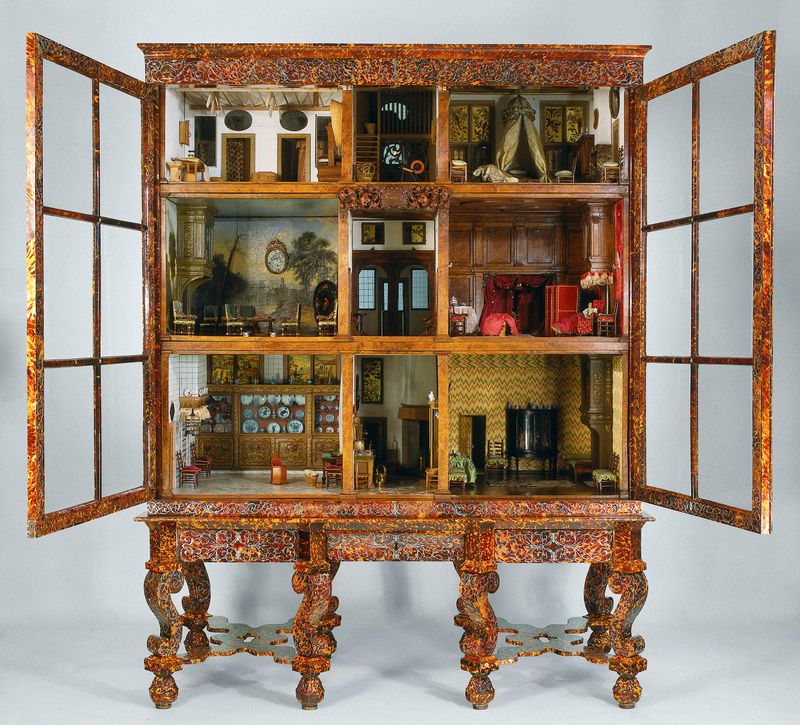
Dolls’ house of Petronella Oortman
Unknown Artist
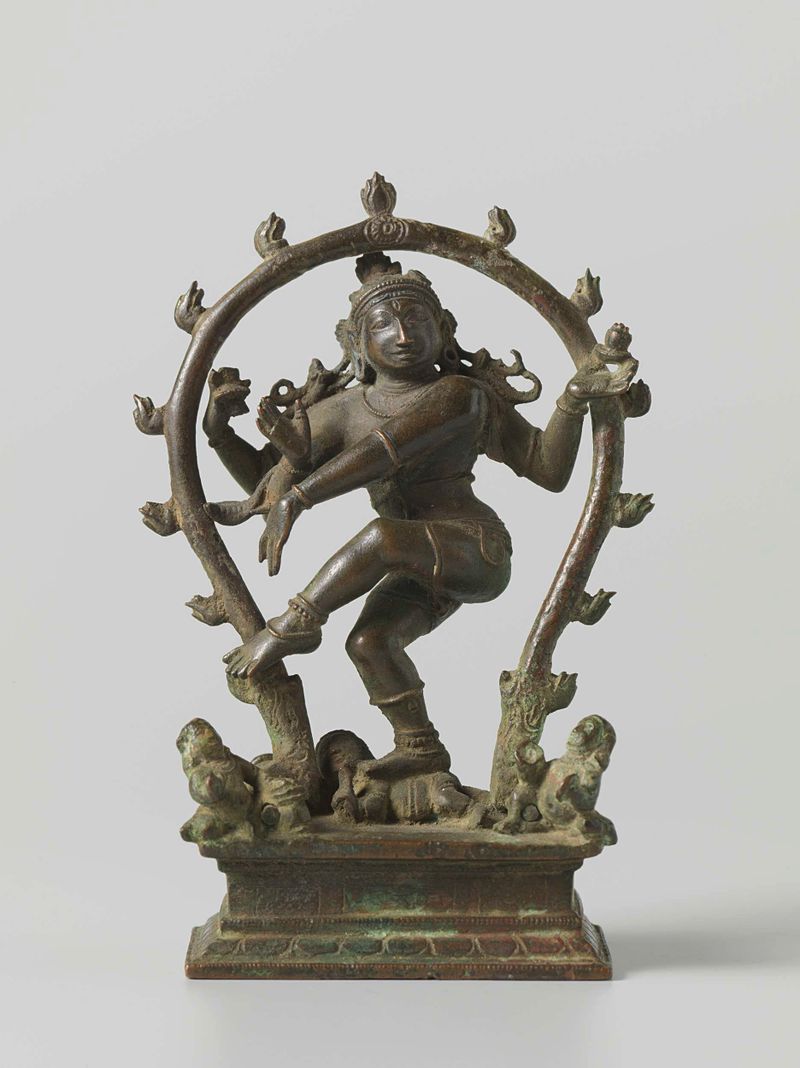
Shiva Nataraja
Unknown Artist

The Tale of Genji
Unknown Artist

The Tale of Genji
Unknown Artist
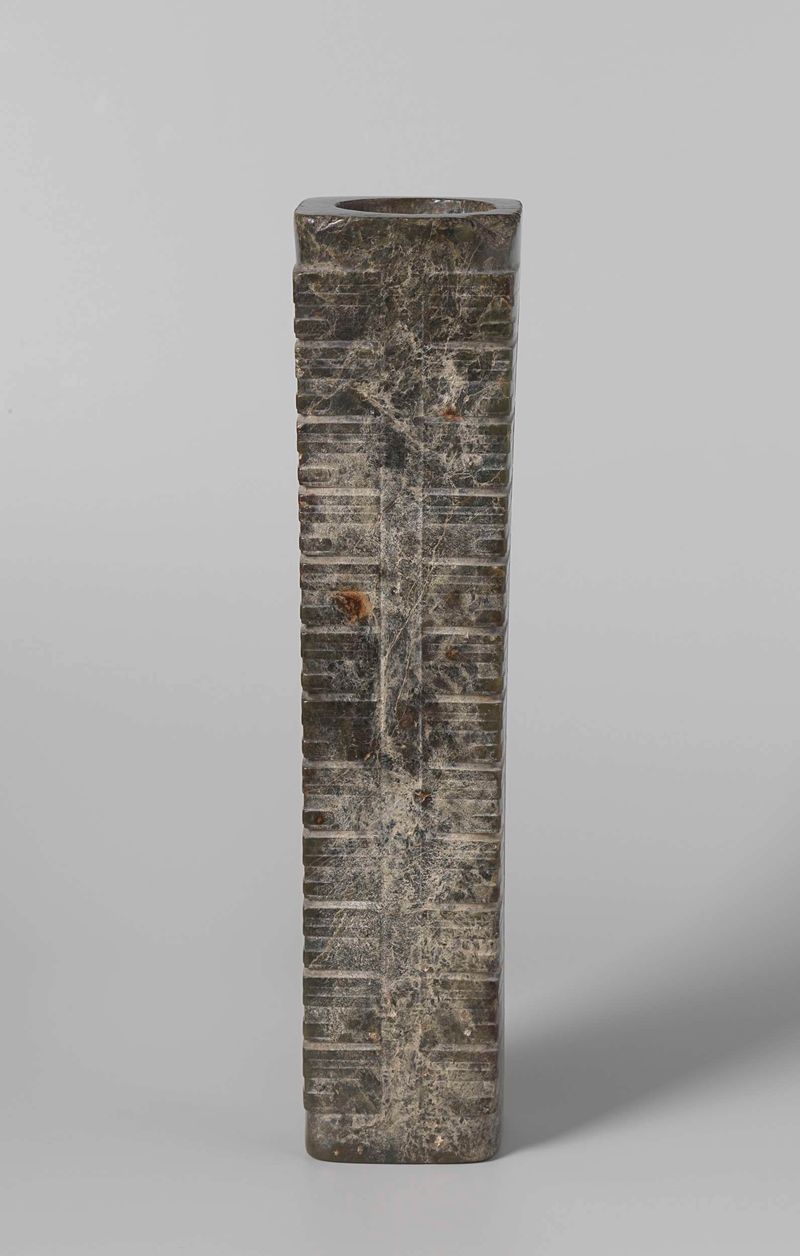
Cong
Unknown Artist
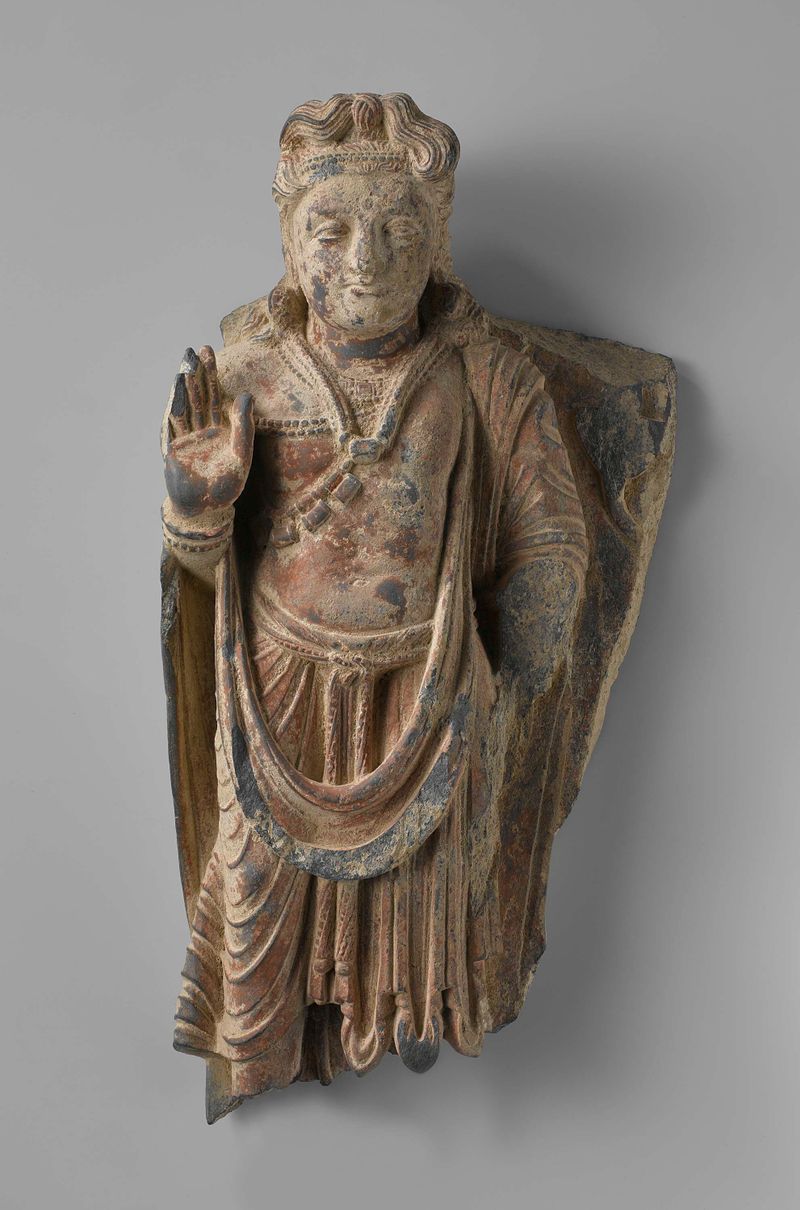
The bodhisattva Maitreya
Unknown Artist
Teabowl with a 'hare's fur' glaze
Unknown Artist