
Temple of Gerf Hussein — History & Facts
What if silence could speak through light? In Temple of Gerf Hussein, a haunting stillness envelops the decaying remnants of a once-magnificent structure, conveying whispers of a forgotten past. Look to the left at the crumbling stone walls, their jagged edges softened by the warm glow of a fading sun. The artist masterfully captures the play of light, highlighting the intricate carvings that cling to the surfaces, each shadow a testament to time's relentless passage. The color palette, dominated by earthy tones, evokes a sense of nostalgia, inviting one to linger in the embrace of history's embrace. There lies a profound contrast between the temple's majestic form and its present state of decay.
The surrounding landscape, almost untouched, serves as a poignant reminder of nature’s resilience, thriving amidst the ruins. The subtle interplay of light and shadow not only accentuates the architecture’s grandeur but also reflects the inevitable decline, suggesting that beauty, too, can be transient. During an unspecified period in his career, Brabazon found inspiration in the ancient ruins he encountered on his travels. This work reflects not only his fascination with the past but also a broader artistic movement that sought to explore themes of impermanence.
The world was shifting, and in this moment, he stood at the intersection of romanticism and realism, capturing the delicate balance between reverence for history and the acceptance of its inevitable decay.
More Artworks by Hercules Brabazon Brabazon
Browse all →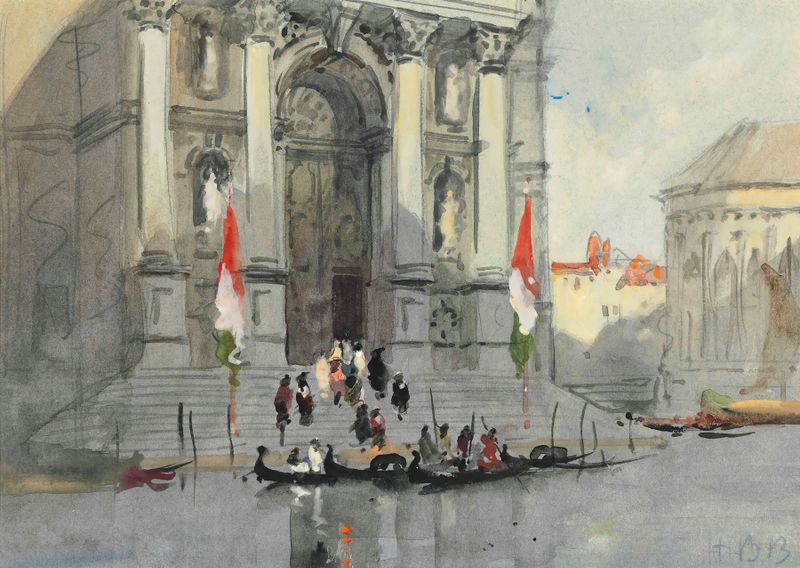
Santa Maria della Salute, Venice
Hercules Brabazon Brabazon
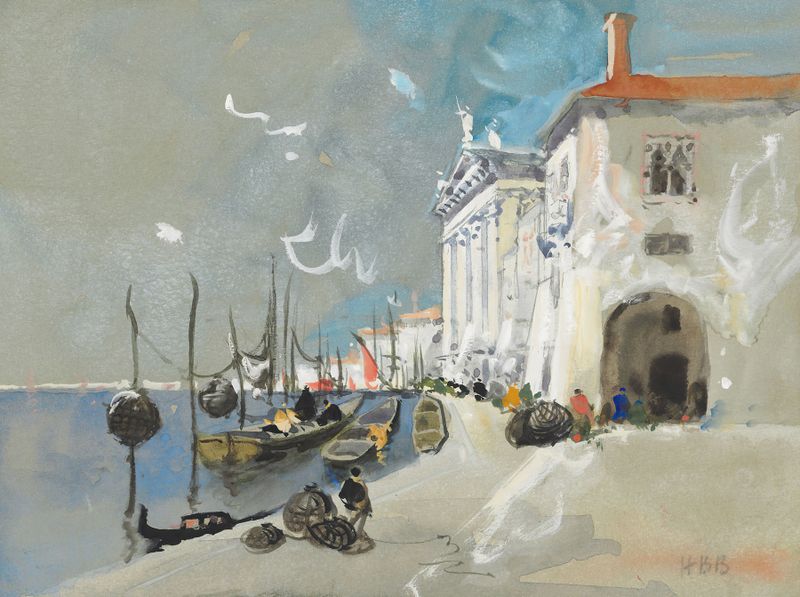
Fish baskets, Chioggia, south of Venice
Hercules Brabazon Brabazon
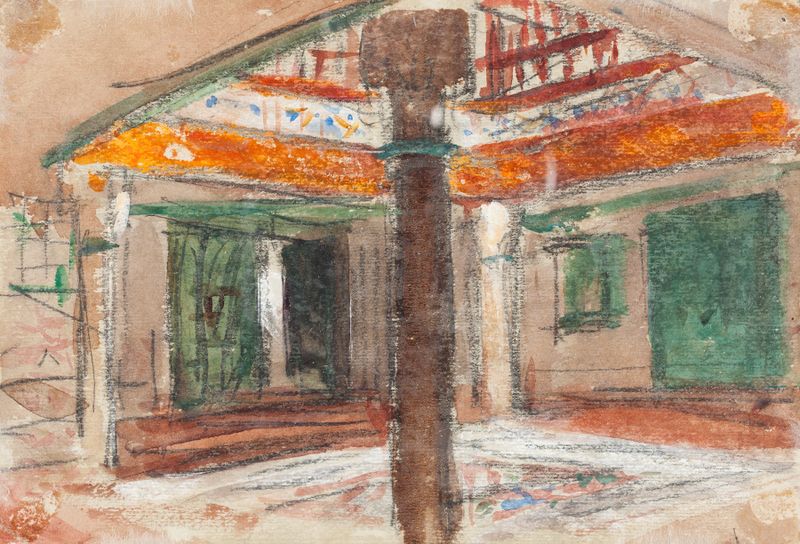
Interior of an Exotic Palace
Hercules Brabazon Brabazon
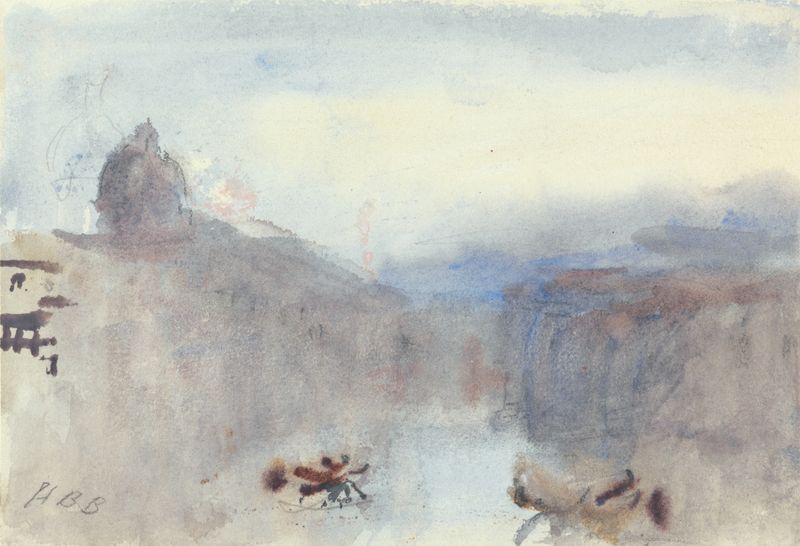
Grand Canal Sunset
Hercules Brabazon Brabazon
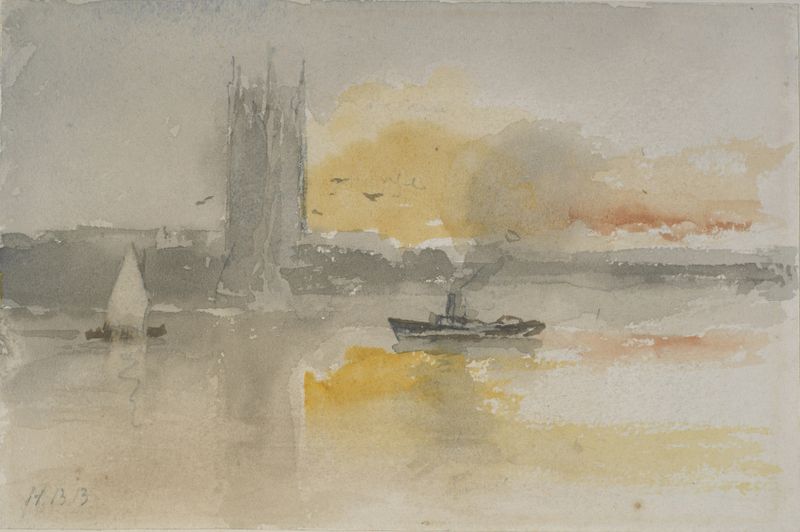
Houses of Parliament
Hercules Brabazon Brabazon
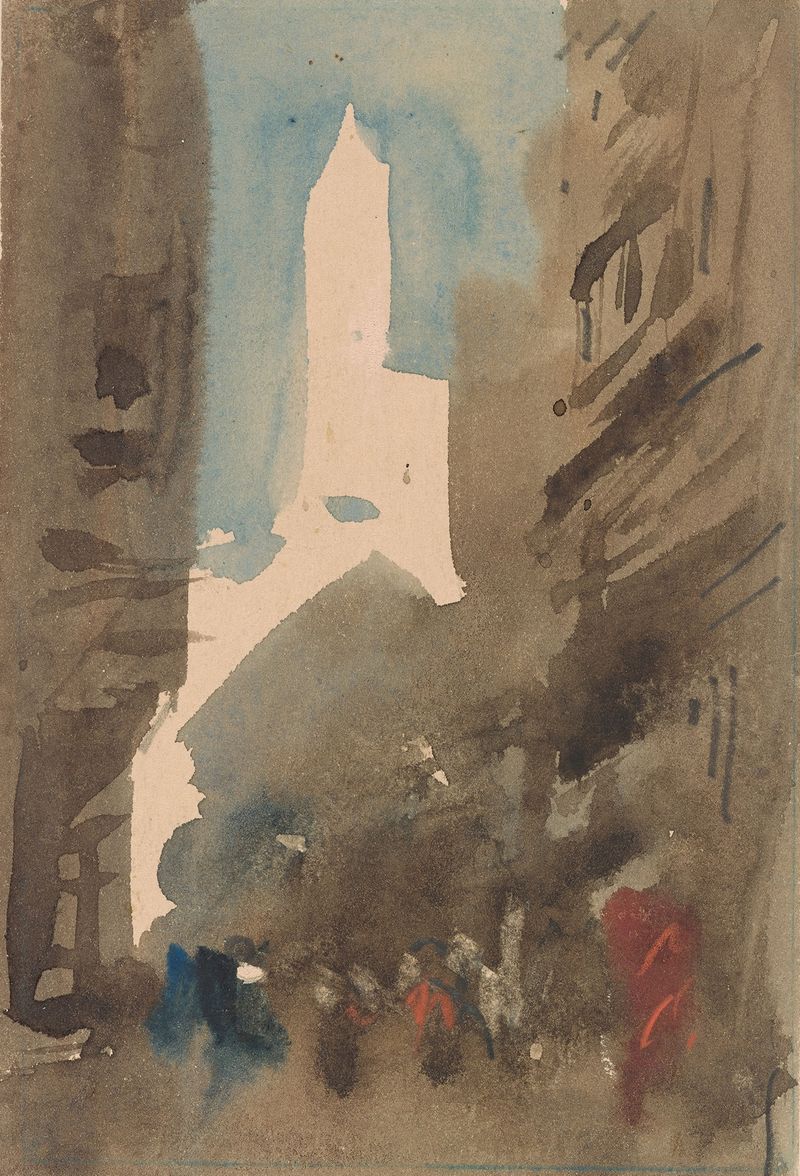
Street Scene with White Tower
Hercules Brabazon Brabazon
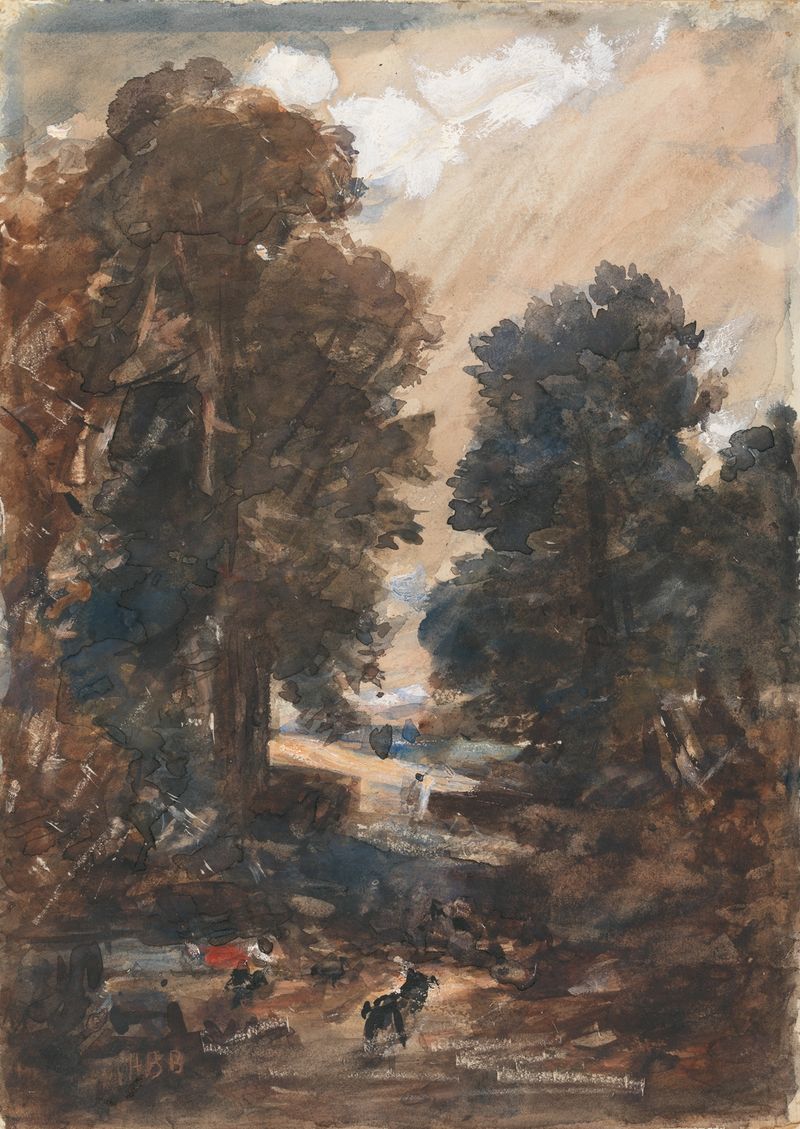
The Cornfield
Hercules Brabazon Brabazon
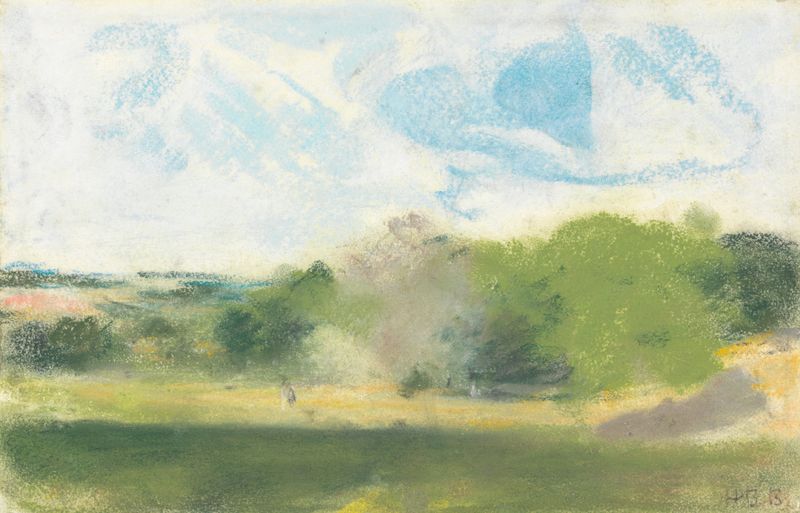
View at Oaklands
Hercules Brabazon Brabazon
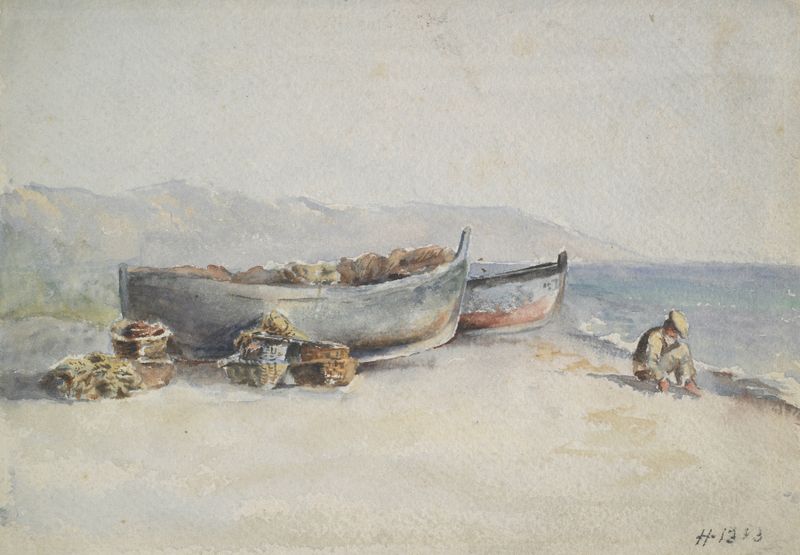
Fishing boats on the shore
Hercules Brabazon Brabazon
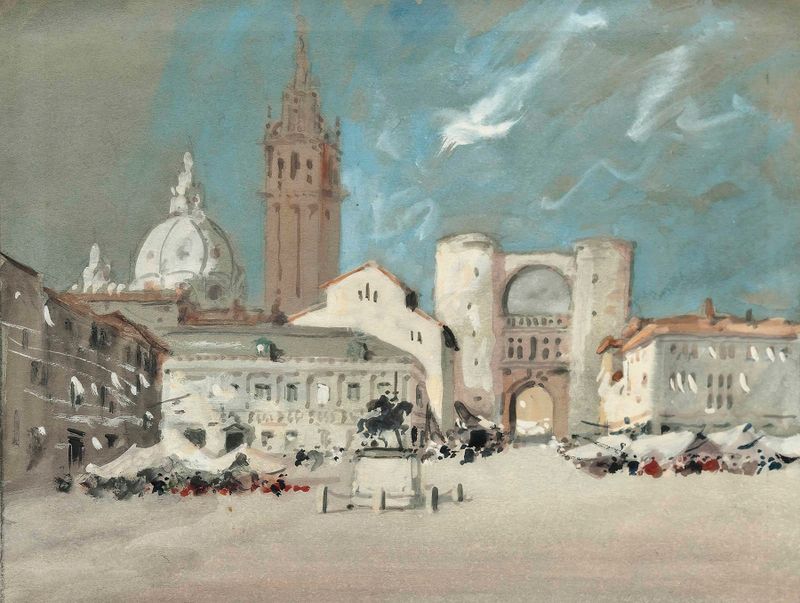
Piazza Dei Signori, Padua
Hercules Brabazon Brabazon





