
Temple of Vesta at Tivoli — History & Facts
What if beauty was never meant to be finished? In a world where nature continually shifts, Temple of Vesta at Tivoli captures the essence of fleeting elegance through vibrant hues and delicate strokes. The painting invites us to ponder the interplay between permanence and transience, and how color can breathe life into stone. Look closely at the lush greens and soft blues that dominate the canvas, drawing your gaze toward the temple nestled amidst the verdant landscape. Notice how the sunlight cascades over the ancient structure, illuminating its weathered façade and creating a dialogue between light and shadow.
The brushstrokes are both fluid and deliberate, each layer of pigment contributing to a sense of depth and movement, as if the viewer could feel the gentle breeze that rustles the leaves. Hidden within the vibrancy are emotional tensions that evoke nostalgia and history. The juxtaposition of the sturdy temple against the ephemeral beauty of nature speaks to the resilience of human endeavor in the face of time’s relentless march. The juxtaposition of warm and cool tones further emphasizes this contrast, inviting reflection on the impermanence of both art and life, while suggesting that true beauty is often found in the moments of decay and renewal. During the time Temple of Vesta at Tivoli was created, Hercules Brabazon Brabazon was immersed in a transition from traditional landscape painting to capturing the emotive power of color in art.
Working in the late 19th century, Brabazon was influenced by the Impressionist movement, which focused on light and its effects, and he sought to express the beauty of the natural world with a fresh perspective. This period marked a significant evolution in his artistic career, aligning him with contemporaries who valued the ephemeral qualities of their surroundings.
More Artworks by Hercules Brabazon Brabazon
Browse all →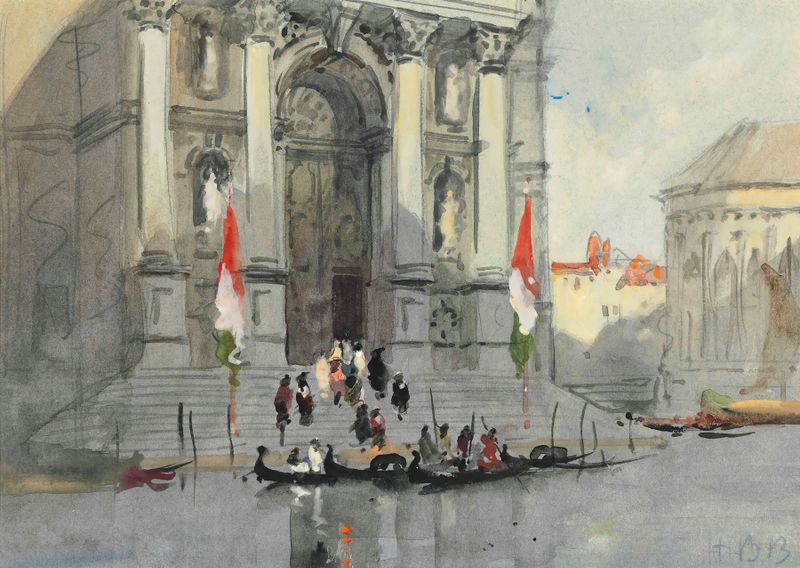
Santa Maria della Salute, Venice
Hercules Brabazon Brabazon
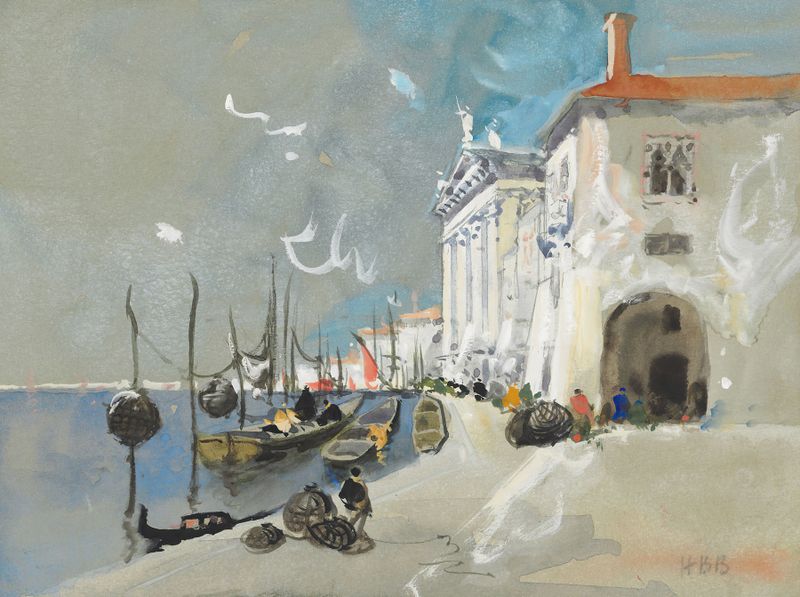
Fish baskets, Chioggia, south of Venice
Hercules Brabazon Brabazon
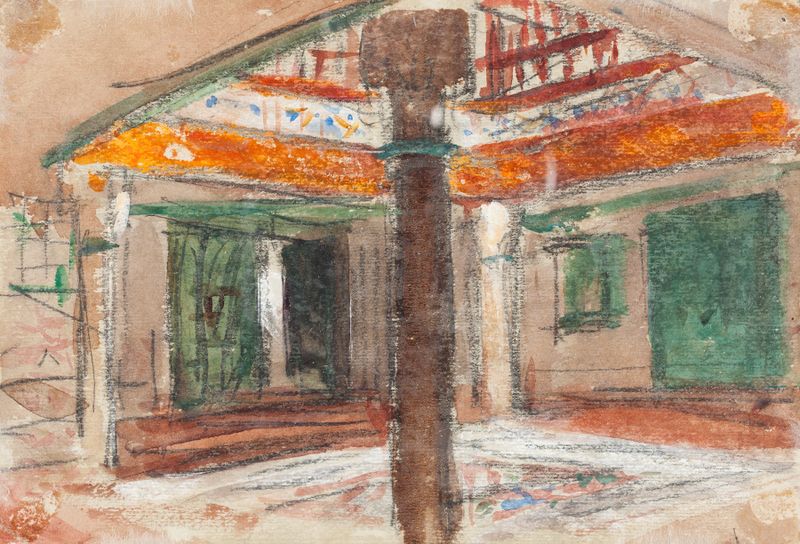
Interior of an Exotic Palace
Hercules Brabazon Brabazon
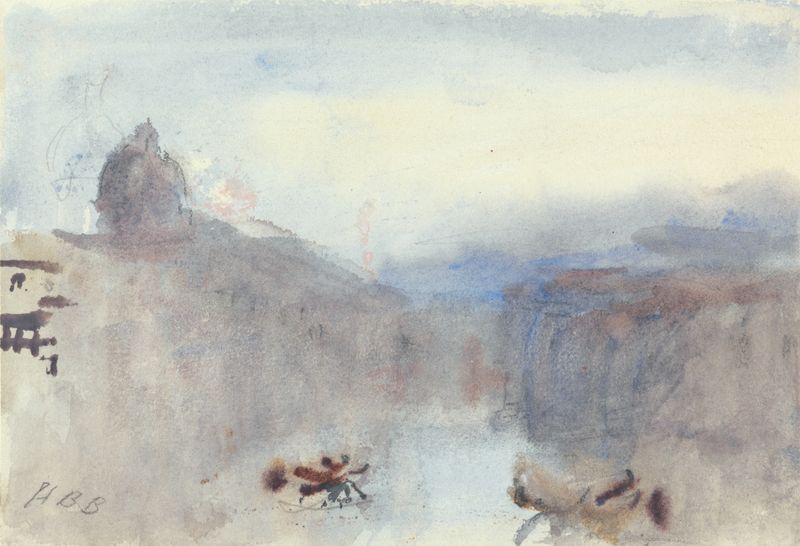
Grand Canal Sunset
Hercules Brabazon Brabazon
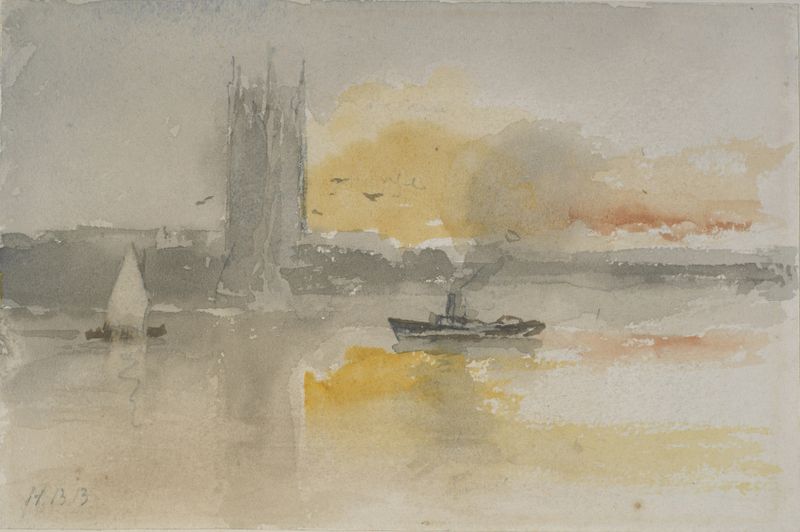
Houses of Parliament
Hercules Brabazon Brabazon
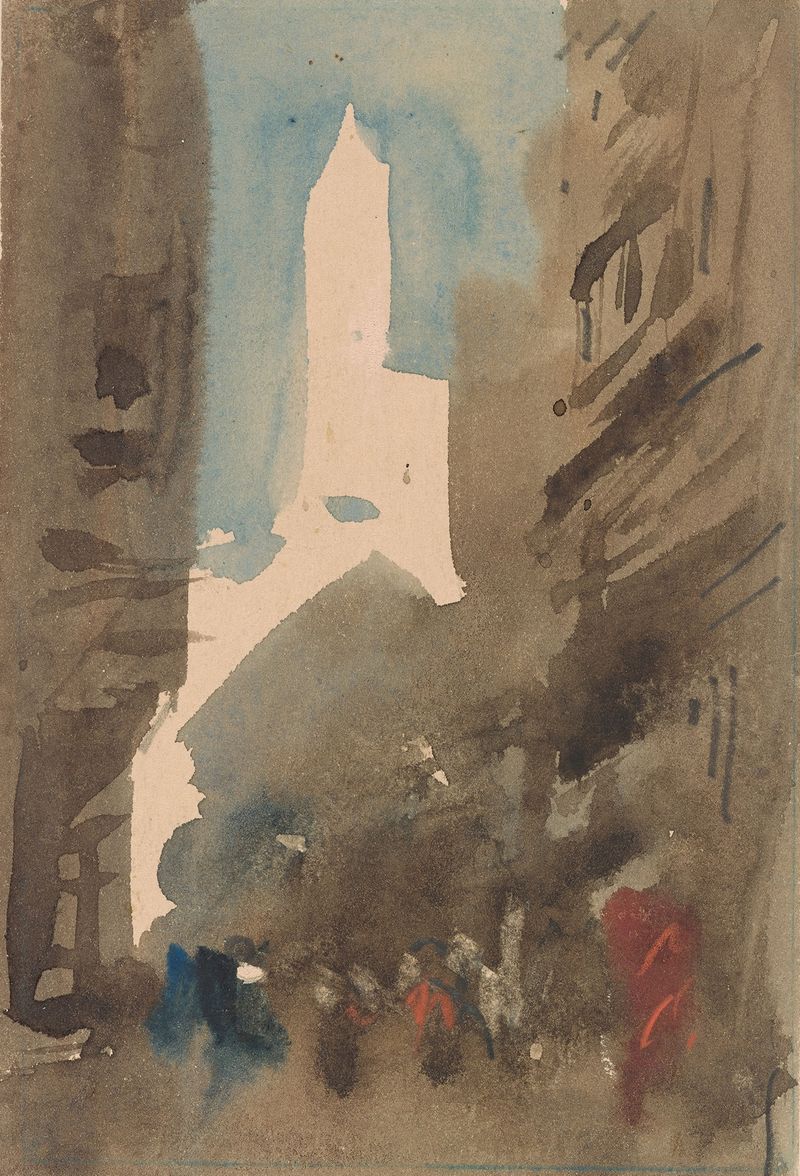
Street Scene with White Tower
Hercules Brabazon Brabazon
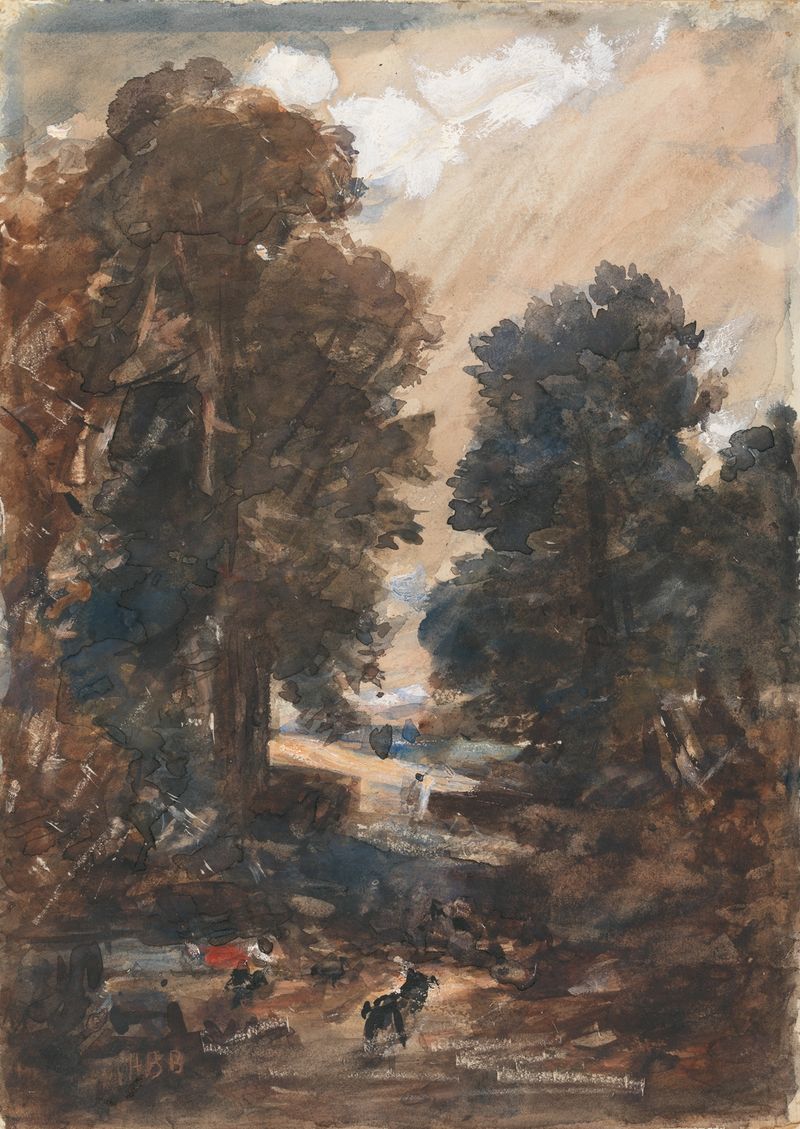
The Cornfield
Hercules Brabazon Brabazon
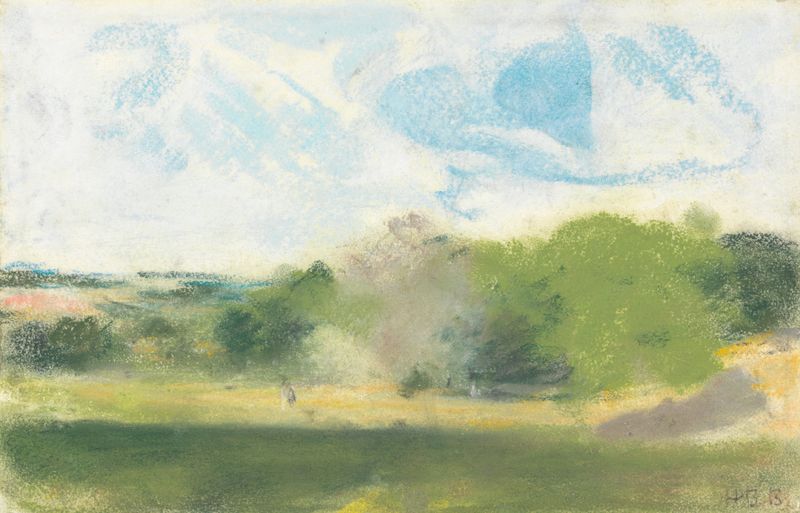
View at Oaklands
Hercules Brabazon Brabazon
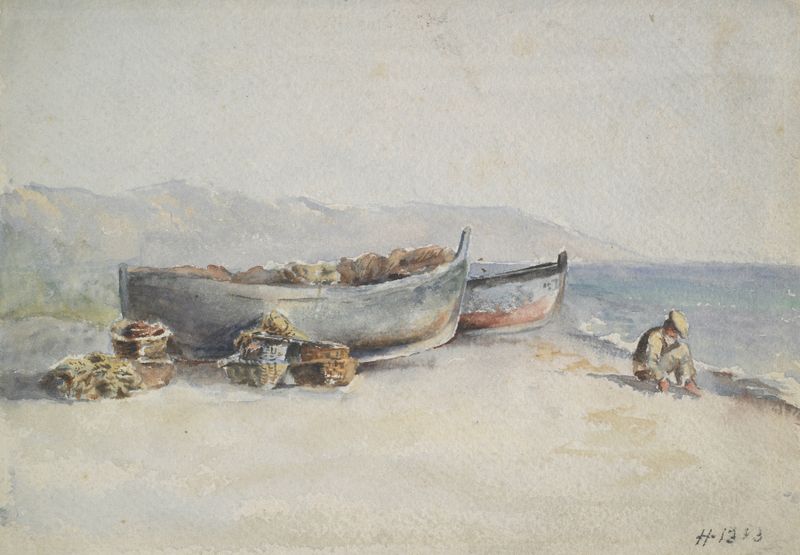
Fishing boats on the shore
Hercules Brabazon Brabazon
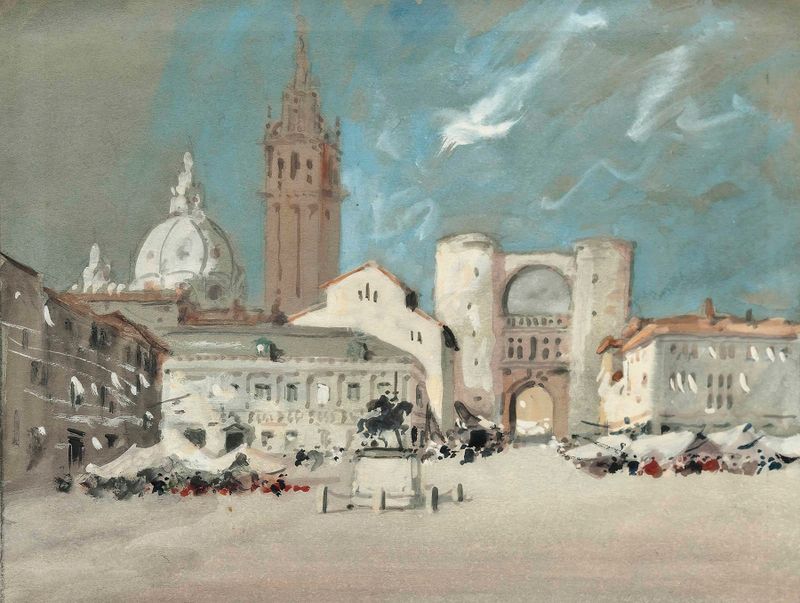
Piazza Dei Signori, Padua
Hercules Brabazon Brabazon
More Architecture Art
Browse all →
The statue of Liberty
Frédéric Auguste Bartholdi

View of Houses in Delft, Known as ‘The Little Street’
Johannes Vermeer

View of Houses in Delft, Known as ‘The Little Street’
Johannes Vermeer

The Cathedral in Rouen. The portal, Grey Weather
Claude Monet

The yellow house
Vincent van Gogh

The Church in Auvers-sur-Oise, View from the Chevet
Vincent van Gogh