
Temps de pluie — History & Facts
What if silence could speak through light? In Temps de pluie, the ethereal embrace of a muted landscape conveys a poignant sense of loss that lingers in the air, inviting contemplation. Look to the left, where a soft, sweeping horizon meets the subdued sky, blending hues of gray and blue. The gentle brushstrokes create a veil of rain, allowing viewers to almost feel the coolness that dampens the earth. Notice how the light plays upon the water, casting a reflective glimmer that seems to whisper secrets of the past.
The trees, though shrouded in mist, stand resolute, their forms a testament to quiet resilience amidst the melancholic ambiance. Delve deeper into the details, where the interplay of light and shadow hints at emotional complexities. The sparse figures, obscured by the rain, evoke solitude, perhaps a longing for connection or a memory of happier times. The muted colors resonate with the heaviness of an unspoken farewell, while the looming clouds amplify a sense of foreboding—reminding us that loss can manifest in both tangible and intangible ways. In 1901, Albert Lebourg painted Temps de pluie during a time when Impressionism was evolving, and artists sought to capture the emotional essence of their surroundings.
Residing in France, he drew inspiration from the natural world, reflecting the quiet rhythms of life. This period marked a departure from earlier techniques, as the artistic community embraced a more expressive approach, paving the way for modern interpretations of reality.
More Artworks by Albert Lebourg
Browse all →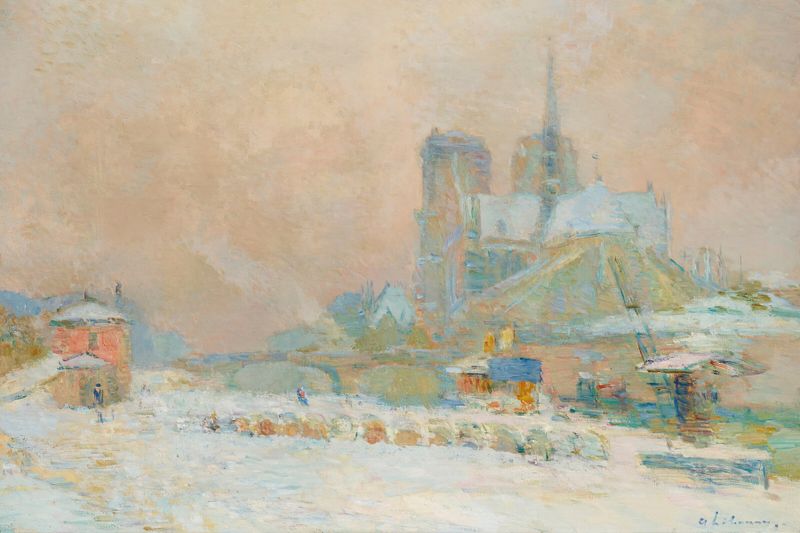
Notre Dame de Paris, vue du Quai de la Tournelle, effet de neige
Albert Lebourg
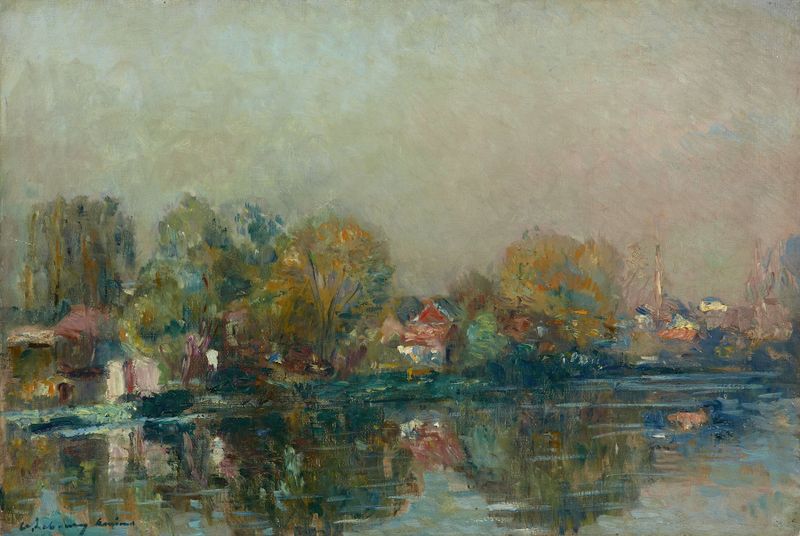
Amiens, bords de rivière
Albert Lebourg
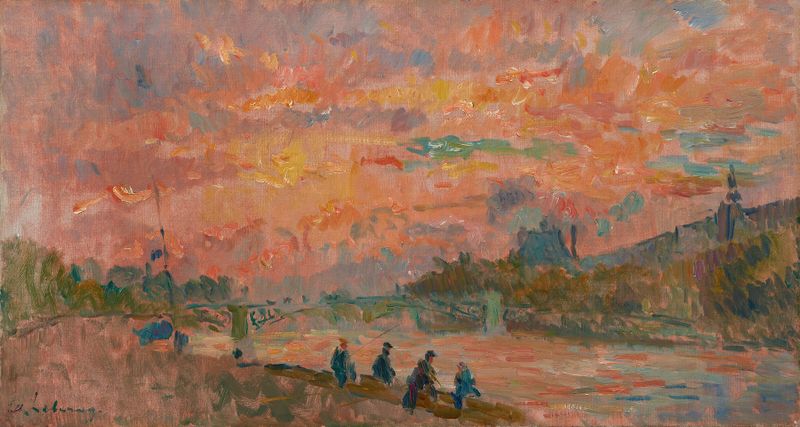
Coucher de soleil sur la Seine, à Paris
Albert Lebourg
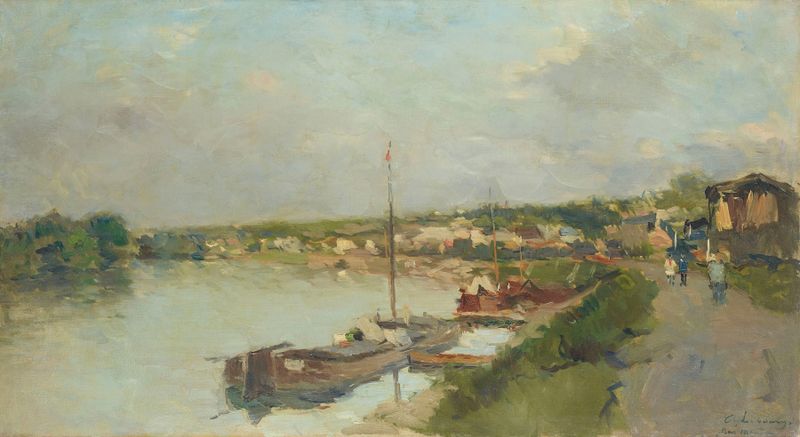
La Seine au Bas-Meudon
Albert Lebourg
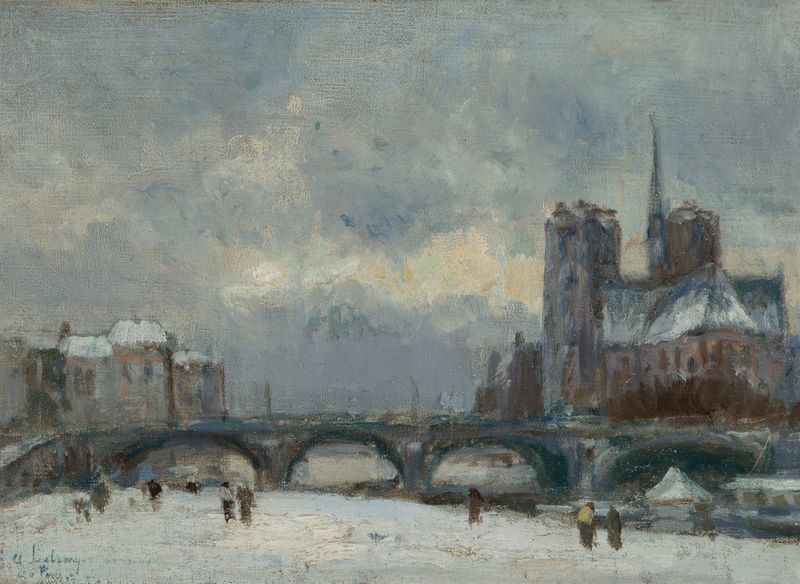
Paris, Notre-Dame, neige
Albert Lebourg
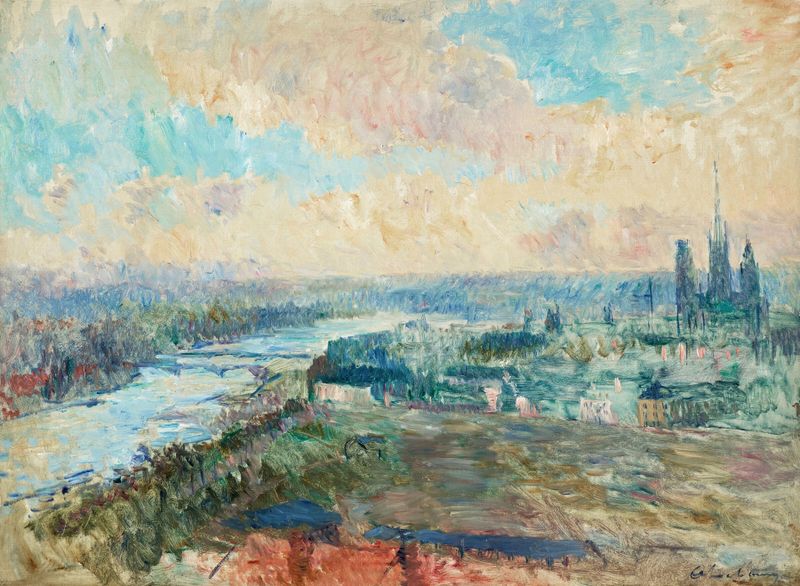
La Seine à Rouen
Albert Lebourg
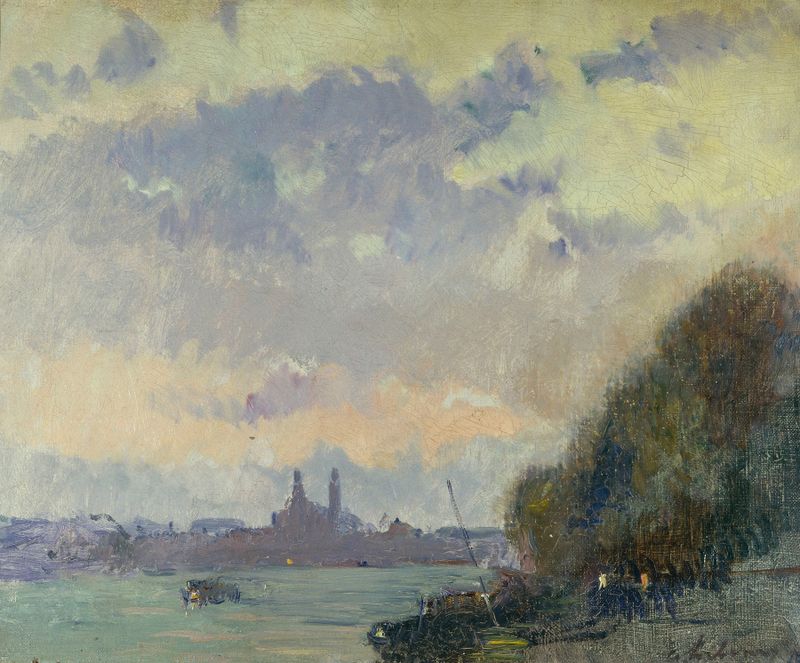
La Seine et l’ancien Trocadéro
Albert Lebourg
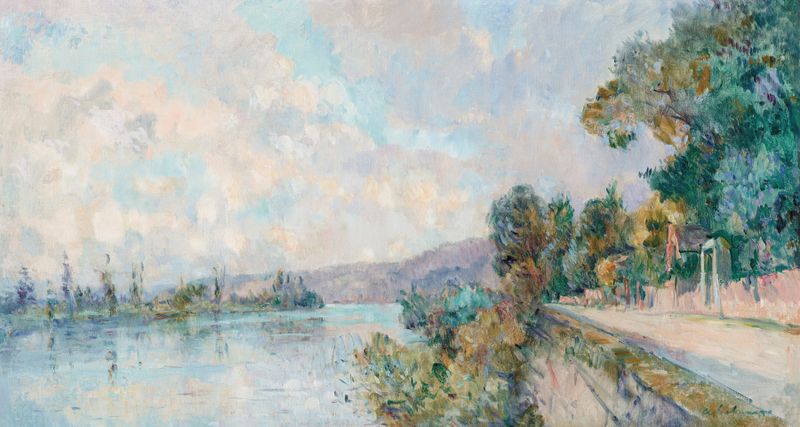
La Seine et les coteaux de Dieppedalle, vue prise de Croisset, près Rouen
Albert Lebourg
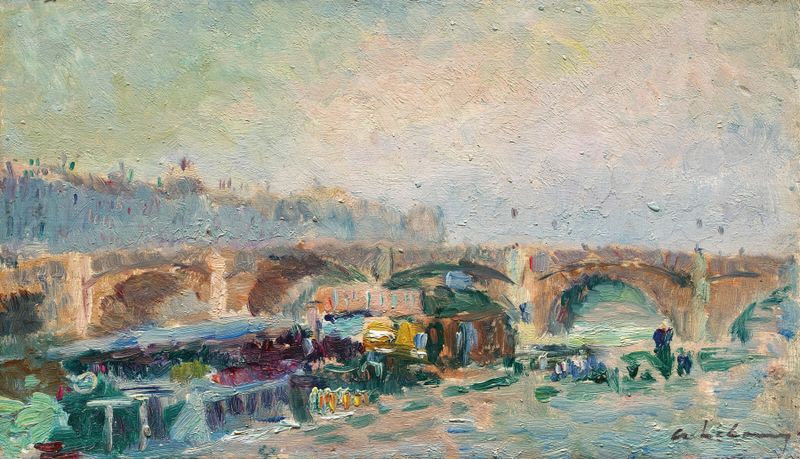
Le Pont de la Tournelle et le quai de Béthune
Albert Lebourg
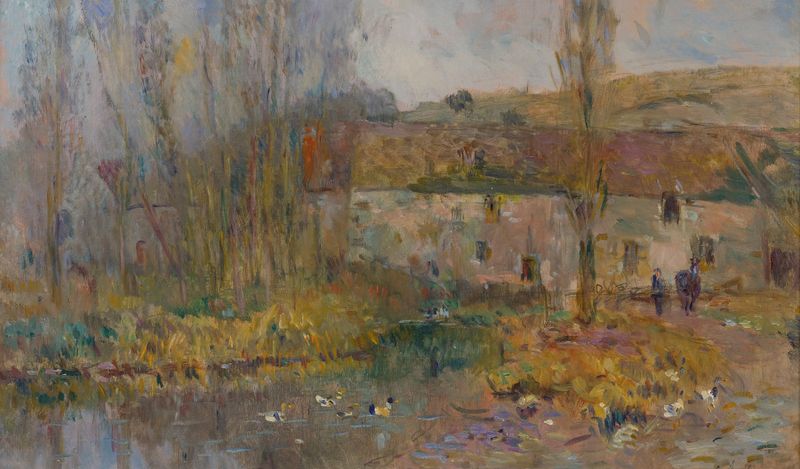
Moulin En Normandie
Albert Lebourg





