The Abbey Barn, Abbotsbury — History & Facts
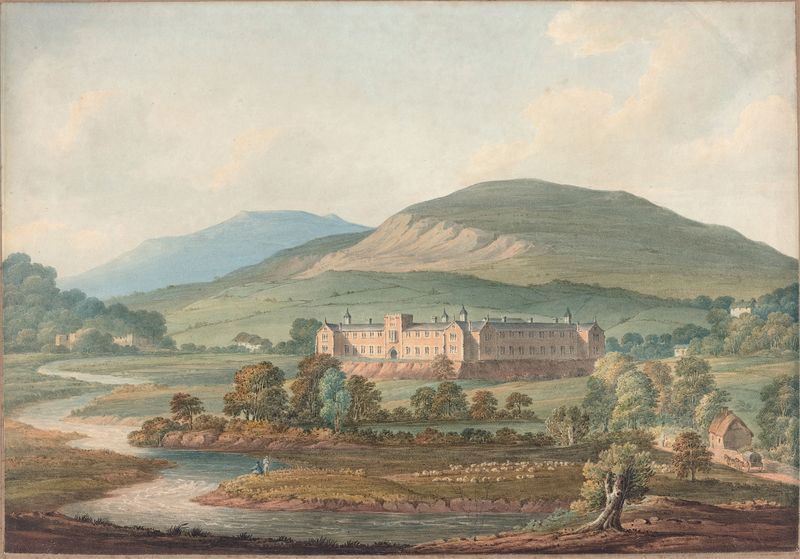
Could beauty survive in a century of chaos? This question lingers in the air as one gazes upon the serene landscape captured in brushstrokes. Look to the left at the weathered architecture of the barn, its textured facade bathed in soft, golden light. The gentle curves of the rolling hills cradle the structure, while a delicate interplay of shadow and light emerges in the clouds overhead, hinting at an approaching storm. The muted earth tones of the foreground contrast beautifully with the vibrant greens behind, grounding the viewer in a moment that feels both timeless and ephemeral. Deep within this pastoral scene lies a quiet tension between the solidity of the barn and the shifting skies.
The artist has woven in a sense of transience; the starkness of the barn evokes a history of labor and resilience, yet it stands as a poignant reminder of what may be lost. The encroaching gloom hints at impending change, while the pastoral beauty envelops the viewer in both solace and sorrow, suggesting a world caught between preservation and decay. In 1802, Upham was painting during a period marked by social upheaval and rapid change in England. The Napoleonic Wars loomed large in the background, casting a shadow over the nation’s landscape, both literally and metaphorically.
Amidst this turbulence, he sought refuge in the idyllic, capturing not just a scene, but an emotional landscape reflecting the world’s collective grief and longing for beauty.