
The Abbey of Saint Bernard — History & Facts
What secret hides in the quiet of the canvas? An ethereal stillness envelops the viewer, inviting contemplation while whispering of an unseen revelation. Look to the left at the serene silhouette of the abbey, its stone façade bathed in soft light that highlights the ornate details of its architecture. The meticulous brushwork reveals the delicate interplay of shadow and luminosity—each stroke evokes textures that bring the structure to life. Notice how the gentle hues of green and blue in the surrounding landscape harmonize with the muted tones of the building, creating a tranquil backdrop that contrasts with the solidity of the abbey itself. At first glance, the composition may appear simply as a picturesque scene, yet it embodies deeper meanings of solitude and spiritual reflection.
The calm waters of the nearby river act as a mirror, suggesting an inner stillness that reflects the quietude of the abbey. Wildens captures not just a physical space but an emotional sanctuary, where nature and architecture coexist, hinting at the profound peace sought by those who reside within. In 1616, Jan Wildens was immersed in the flourishing art scene of Antwerp, a city revitalized by trade and culture. This period marked a significant evolution in landscape painting, with artists exploring not just the beauty of nature but its spiritual resonance.
The creation of this artwork coincided with a time of personal and societal change, where the ideals of tranquility and introspection resonated profoundly amid the bustling life around him.
More Artworks by Jan Wildens
Browse all →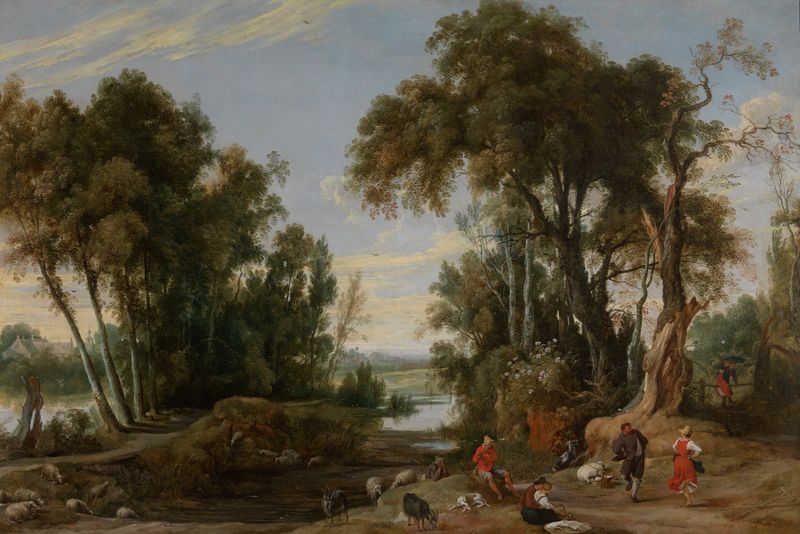
Landscape with Dancing Shepherds
Jan Wildens
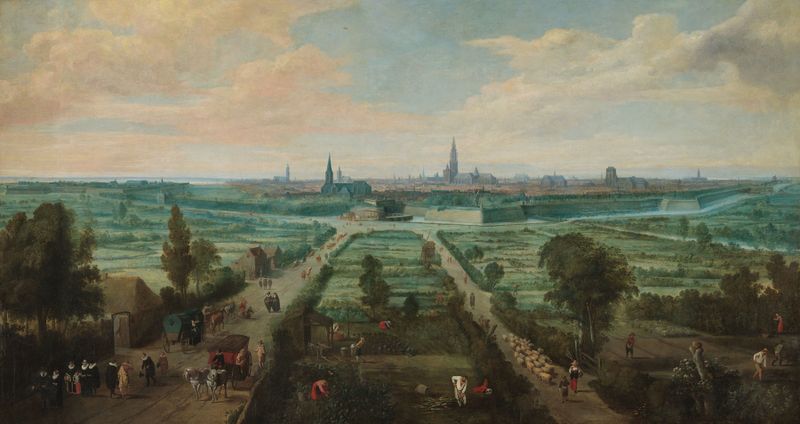
Panoramic View of Antwerp from the East
Jan Wildens
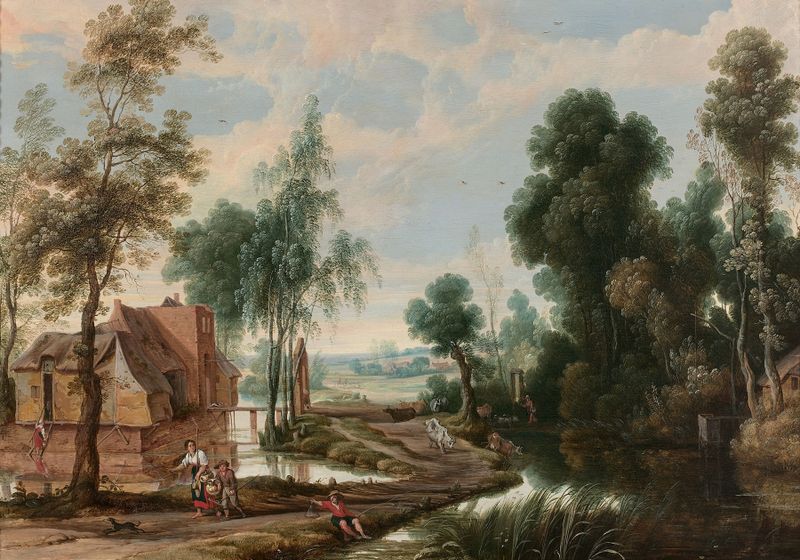
Paysage fluvial animé de personnages
Jan Wildens
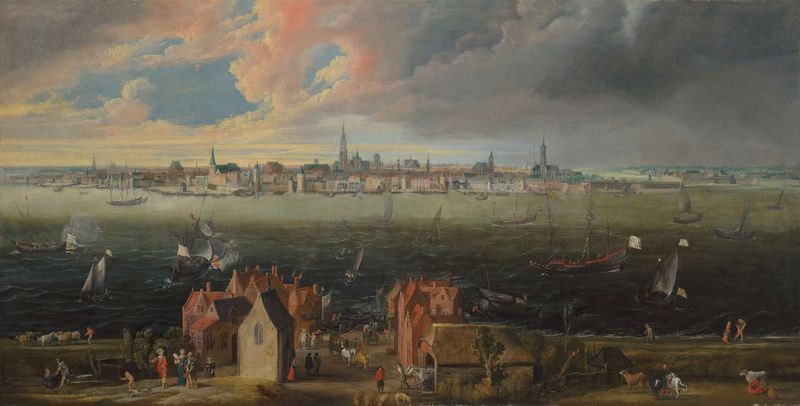
Panoramic view of the city of Antwerp across the River Scheldt
Jan Wildens
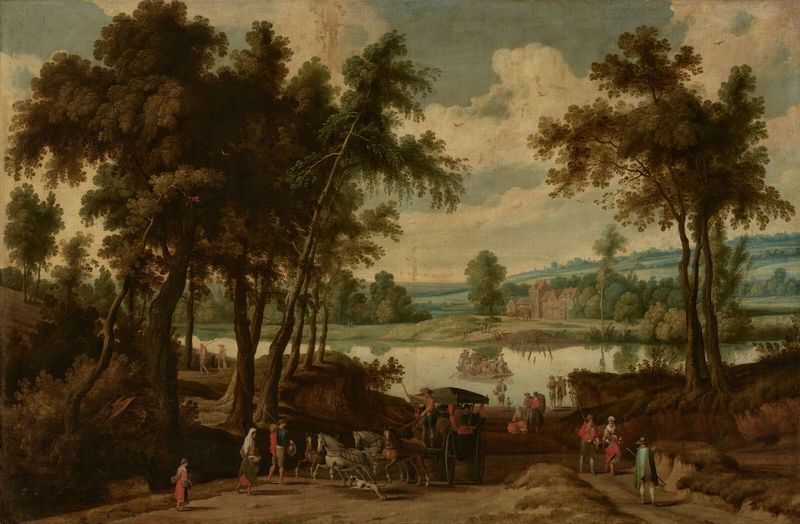
River landscape with a carriage transporting passengers and a ferry crossing
Jan Wildens
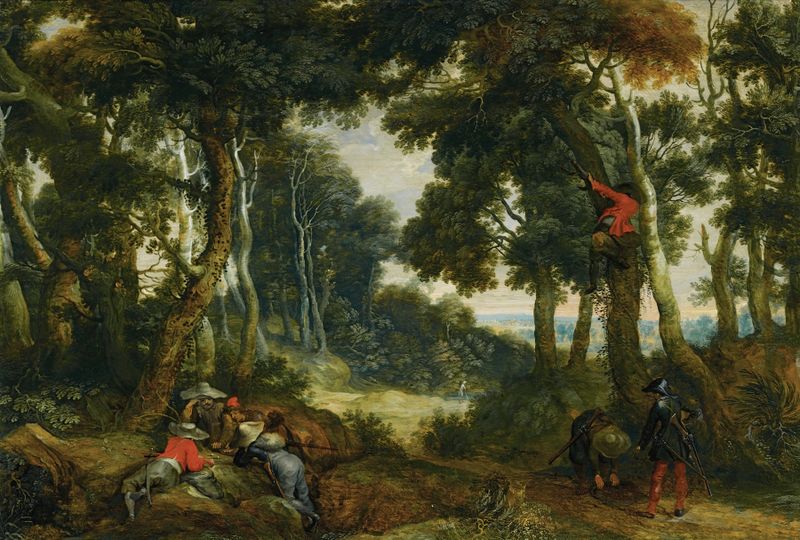
A Wooded Landscape With Brigands Playing Dice, Another Brigand Up In A Tree, On The Lookout
Jan Wildens
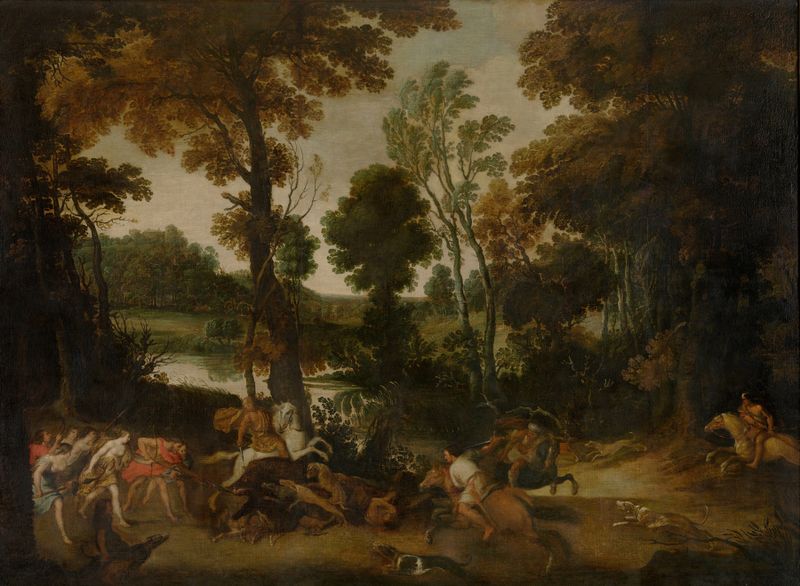
Landscape with the Hunt of Meleager and Atalante
Jan Wildens
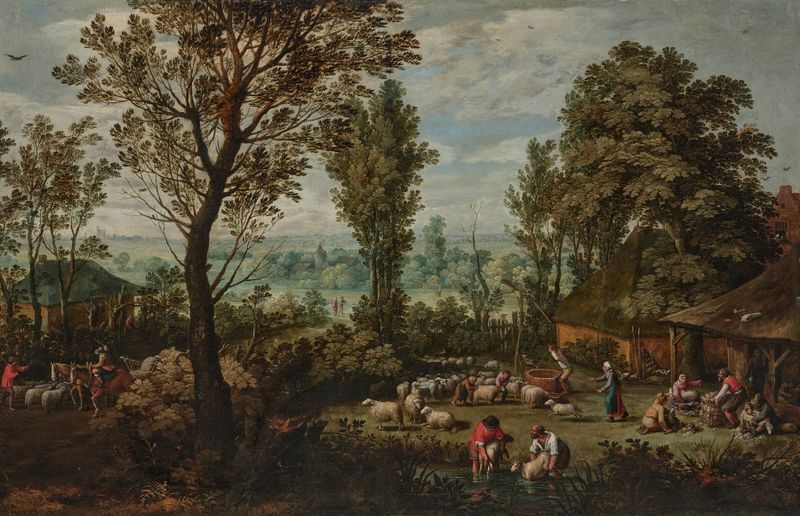
Allegory of the month of June
Jan Wildens
More Architecture Art
Browse all →
The statue of Liberty
Frédéric Auguste Bartholdi

View of Houses in Delft, Known as ‘The Little Street’
Johannes Vermeer

View of Houses in Delft, Known as ‘The Little Street’
Johannes Vermeer

The Cathedral in Rouen. The portal, Grey Weather
Claude Monet

The yellow house
Vincent van Gogh

The Church in Auvers-sur-Oise, View from the Chevet
Vincent van Gogh