
The Adoration of the Magi — History & Facts
In the dim light of an ancient stable, three figures kneel reverently before a humble cradle. Shadows dance across their robes, richly adorned yet tattered, as their expressions shift from awe to reverence. The air is thick with the weight of their devotion, illuminated by a soft, golden glow emanating from the newborn child—a beacon of truth amidst the rustic surroundings. Look to the center of the composition, where the infant lies swaddled in light, cradled by his mother.
Notice the intricate detailing of the Magi's attire, each fold and embellishment reflecting a history steeped in wealth and wisdom. The artist employs a warm palette of ochres and deep blues, skillfully contrasting the desolate setting with the luminous presence of the holy child. The arrangement draws the viewer's eye toward the figures in an almost magnetic fashion, embodying the gravity of this sacred moment. As you explore further, observe the contrasting expressions—wonder in the eyes of the Magi, serenity on Mary’s face, and the tender yet powerful gaze of Joseph.
Each figure is imbued with a distinct intention, highlighting the intermingling of human emotion and divine revelation. The rich symbolism of their gifts—the gold, frankincense, and myrrh—evokes themes of sacrifice, mortality, and reverence for truth, each item a testament to the significance of the moment. In the mid-17th century, while creating this work, the artist found himself amidst a period of religious upheaval and spiritual reflection in Europe. Della Vecchia painted The Adoration of the Magi around 1650, during a time when the Baroque movement was evolving, and artists were exploring deeper emotional connections through narrative and symbolism.
This painting encapsulates not only a pivotal biblical story but also the artist’s introspective engagement with faith during a transformative era in art history.
More Artworks by Pietro della Vecchia
Browse all →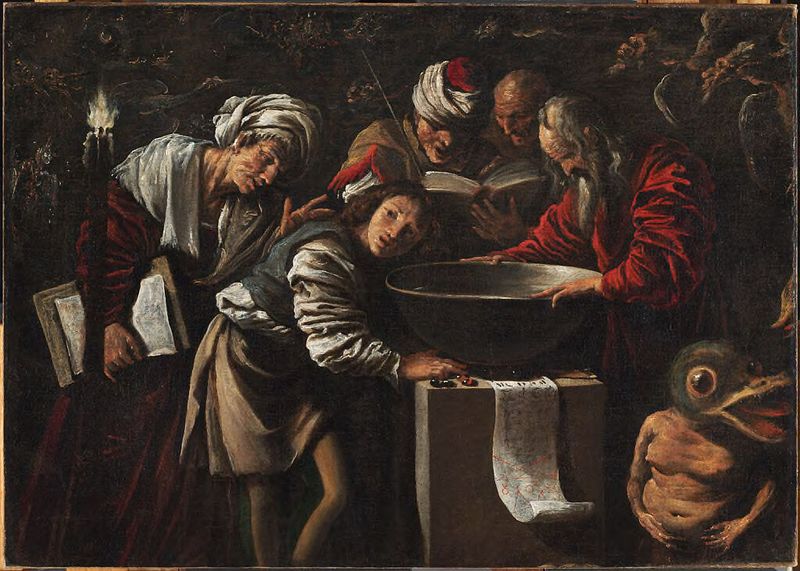
More Religious Art
Browse all →
The Return of the Prodigal Son
Rembrandt van Rijn

The Garden of Earthly Delights
El Bosco

Count Orgaz’ funeral
El Greco

The Hundred Guilder Print: the central piece with Christ preaching, the plate arched
Rembrandt van Rijn

The Descent from the Cross
Rogier van der Weyden

The return of the prodigal son
Rembrandt van Rijn