
'The Anemic Lady' — History & Facts
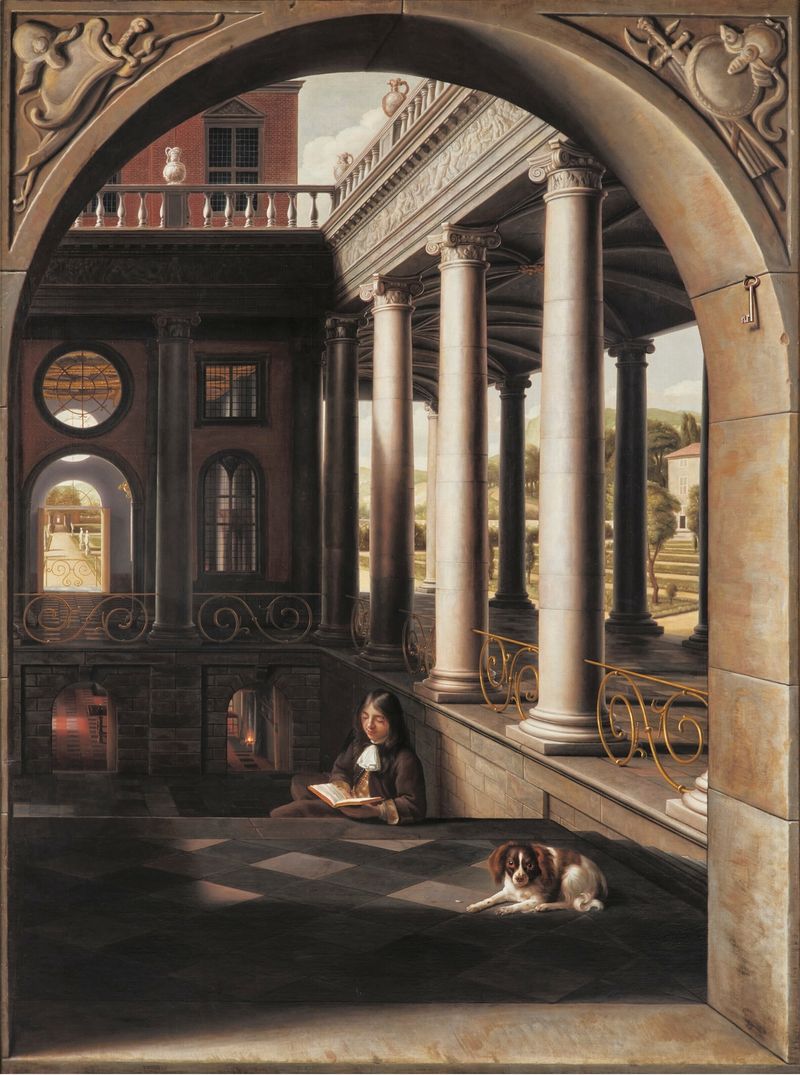
When did color learn to lie? The stillness captured in this painting whispers of serenity, yet a tension lies just beneath the surface, beckoning us to look closer. Focus first on the pale figure reclining languidly against the rich, dark background. Her skin, almost luminescent, contrasts starkly with the muted hues surrounding her, inviting the viewer to linger on the ethereal quality of her presence. Notice how the artist employs delicate brushwork to define her features, infusing them with a ghostly beauty, while the soft light seems to caress her, creating a haunting yet peaceful intimacy.
The composition is meticulously balanced, drawing the eye around her repose and allowing the viewer to feel her delicate, almost fragile, existence. Beneath the surface of this serene portrait lies a profound exploration of isolation and the frailty of life. The anemic hue of the figure’s skin hints at both vulnerability and an otherworldly calm. The rich, dark background serves to amplify her solitude, eliciting a sense of disconnection from the world outside.
The contrasting elements of light and dark not only highlight her physical presence but also evoke an emotional landscape of melancholy, suggesting that beauty can sometimes mask deeper truths. During the years between 1660 and 1678, this artwork emerged from Samuel van Hoogstraten’s brush in the Netherlands, a period marked by a vibrant yet competitive art scene. Van Hoogstraten, once a disciple of Rembrandt, was exploring the themes of realism and illusion. In this work, he invites viewers to reconsider the relationship between perception and reality, a conversation that resonates through the corridors of art history and echoes in our everyday lives.
More Artworks by Samuel van Hoogstraten
Browse all →
More Portrait Art
Browse all →
Las meninas
Diego Velázquez

Self-portrait with a Bandaged Ear and Pipe
Unidentified artist

Girl with a Pearl Earring
Johannes Vermeer

The Sampling Officials of the Amsterdam Drapers’ Guild, Known as ‘The Syndics’
Rembrandt van Rijn

The Hundred Guilder Print: the man seen on the back in the lower left corner
Rembrandt van Rijn

Portrait of Dr Gachet
Vincent van Gogh