Jeune homme lisant dans un palais de style Renaissance — History & Facts
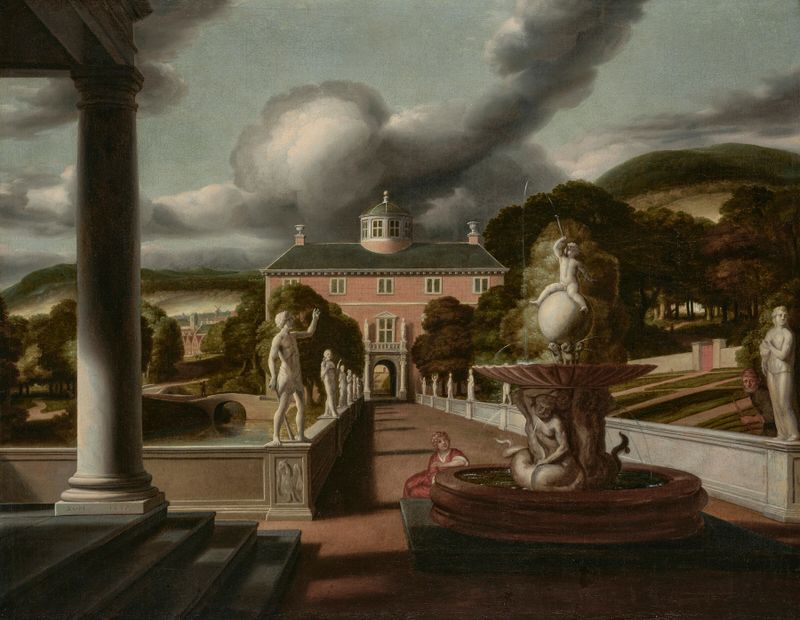
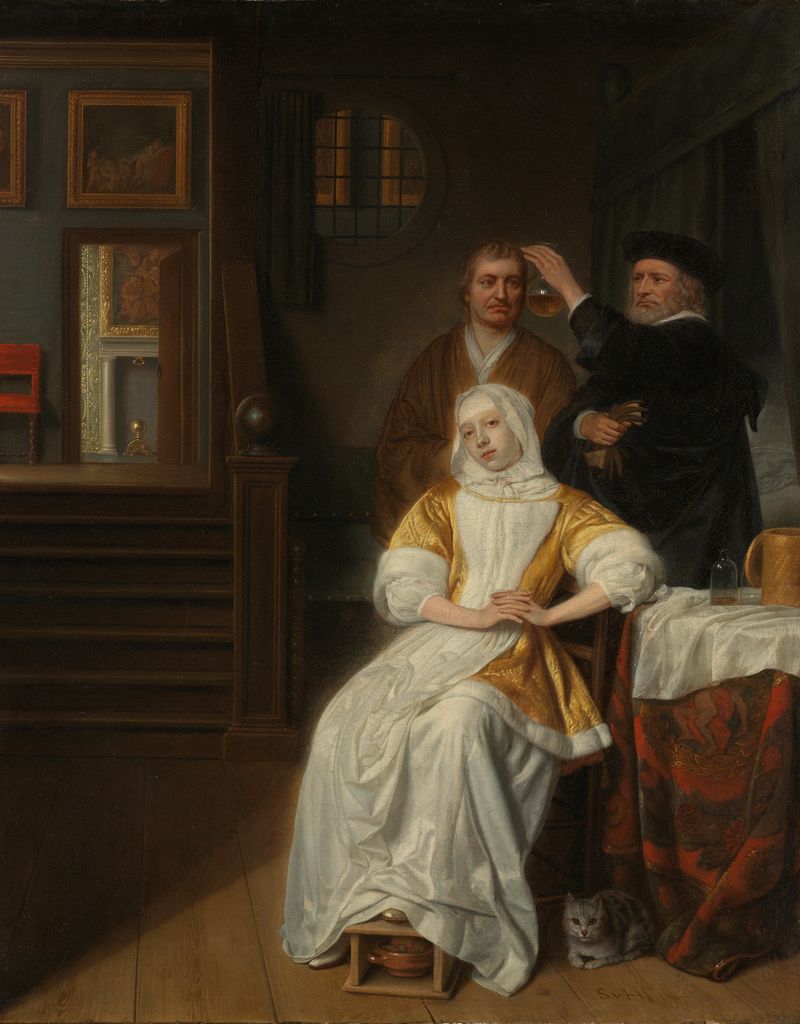
Can paint confess what words never could? In a world of eloquent silence, the brush becomes a voice of its own, articulating thoughts that linger just outside the edges of language. Focus on the young man on the left, enveloped in the soft glow of a window, his book open but seemingly forgotten in his hand. Notice how the intricate details of the Renaissance architecture frame him, inviting the viewer to explore both the lavish setting and his contemplative expression. The rich color palette highlights the warmth of the sunlight pouring in, accentuating the balance between the figure and his surroundings.
Every fold in the fabric of his garment speaks to the meticulous craftsmanship so intrinsic to this era. There exists a subtle tension between the man’s stillness and the grandeur of his surroundings. The contrast of the serene figure against the elaborate backdrop of marble and gilding creates a dialogue about knowledge versus opulence. The book, a powerful symbol of intellect, reflects the essence of balance — between the material and the metaphysical, between contemplation and the chaos of wealth.
Each element invites us to ponder the value of introspection in a world that often prioritizes spectacle. Samuel van Hoogstraten painted this work during the late 17th century, a time when he was deeply influenced by the Dutch Golden Age and the emerging Baroque style. While much of his life was characterized by a quest for artistic excellence and understanding of perspective, this piece represents a moment of personal reflection amidst the prevailing artistic currents of his time. It embodies a search for balance between the inner life of the mind and the external allure of the material world.