
The Arch of Nero at Tivoli — History & Facts
The notion of transcendence resonates deeply in a world that often feels fragmented. In the interplay of light and shadow, the sublime emerges, inviting us to ponder what lies beyond the immediate. Look to the left at the towering arch, which stands resolute amidst the delicate interplay of golden sunlight and deep azure sky. The artist’s meticulous brushwork captures the soft textures of the landscape, guiding your gaze toward the architectural marvel.
Notice how the warm hues of the arch contrast beautifully with the cooler tones of the surrounding foliage, drawing attention to the ancient structure while evoking a sense of timelessness. Beneath the surface, the painting breathes themes of nostalgia and the passage of time. The vibrant flora surrounding the arch signifies life and renewal, while the arch itself, a relic of history, symbolizes the enduring nature of human achievement. This juxtaposition between the ephemeral and the eternal speaks to the viewer’s desire for connection across time, suggesting that beauty can ultimately arise from decay. In 1878, Gifford found himself immersed in the Hudson River School movement, a period marked by a deep reverence for nature and a pursuit of transcendental themes.
Painting in Tivoli, Italy, he was inspired by the romantic ideals of the sublime, blending first-hand experiences of the landscape with his distinctive approach to light. This work embodies his commitment to capturing the ephemeral beauty of nature while reflecting the artist's evolving philosophy on the role of the natural world in art.
More Artworks by Sanford Robinson Gifford
Browse all →
Twilight in the Catskills
Sanford Robinson Gifford
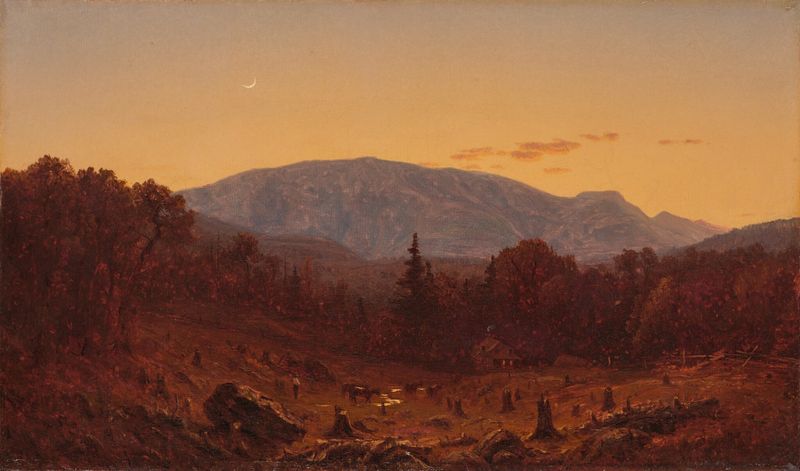
Twilight on Hunter Mountain
Sanford Robinson Gifford

Kauterskill Clove, Catskill Mountains
Sanford Robinson Gifford

Kauterskill Clove, Catskill Mountains
Sanford Robinson Gifford
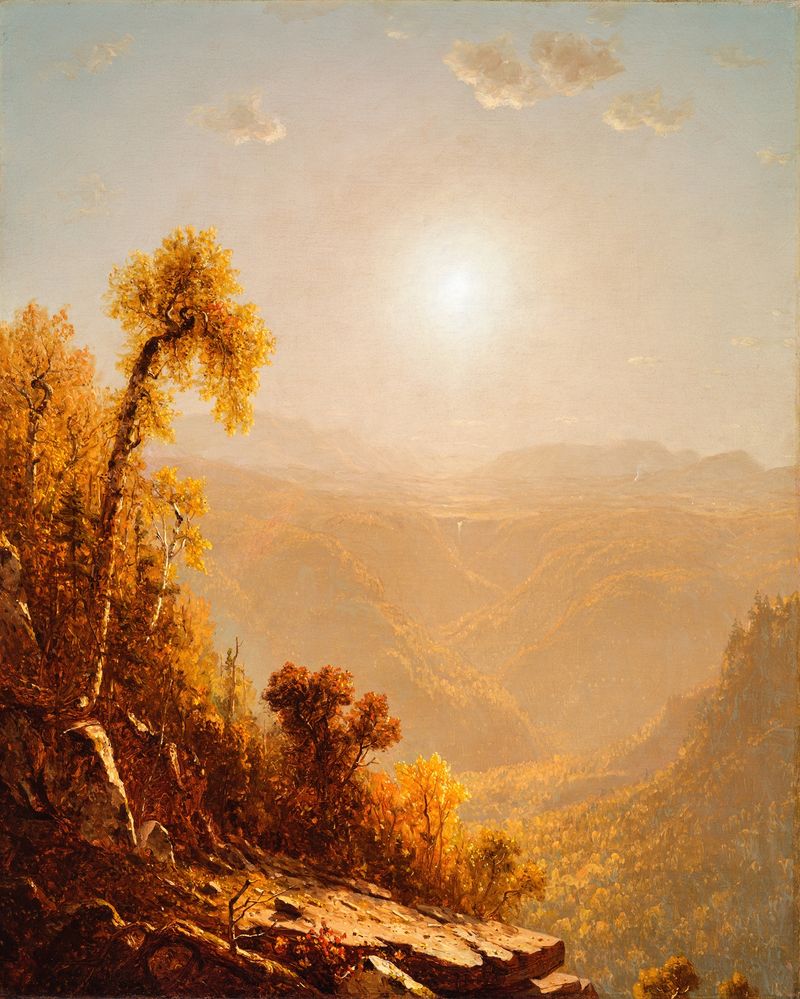
October in the Catskills
Sanford Robinson Gifford
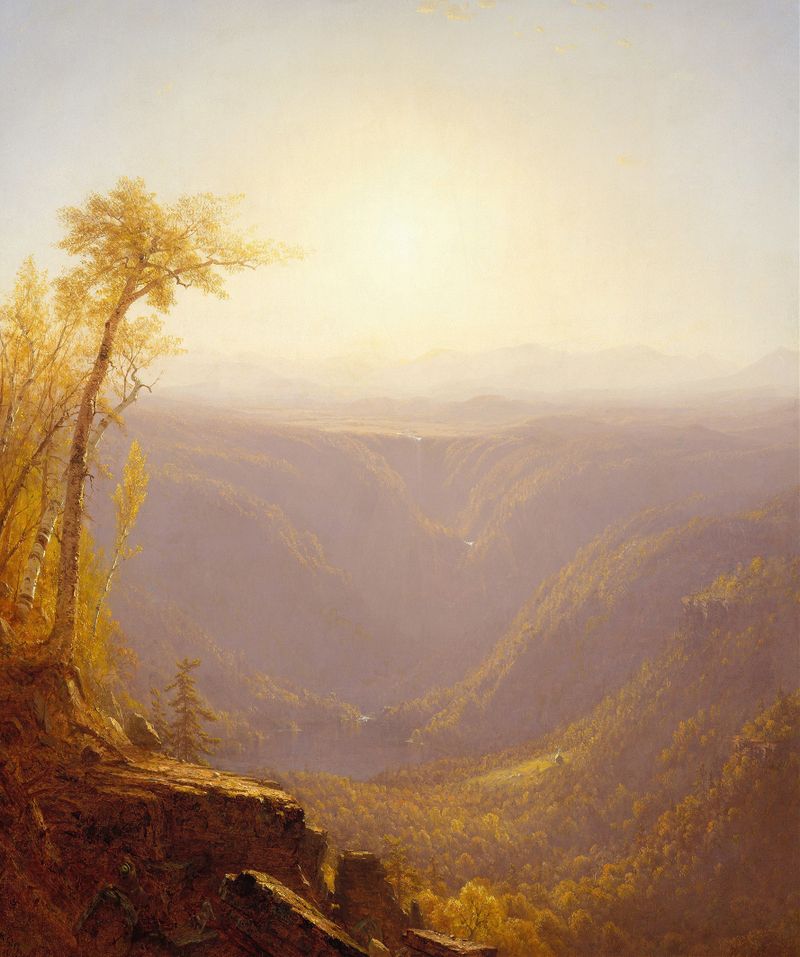
A Gorge in the Mountains (Kauterskill Clove)
Sanford Robinson Gifford
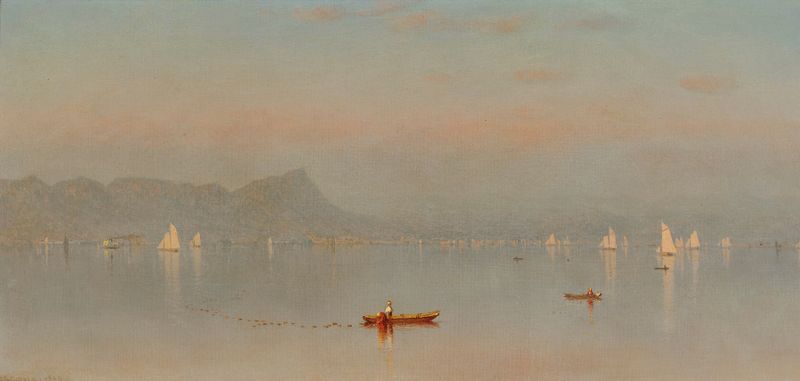
Haverstraw Bay (Shad Fishing On The Hudson)
Sanford Robinson Gifford

The Mouth of the Shrewsbury River
Sanford Robinson Gifford
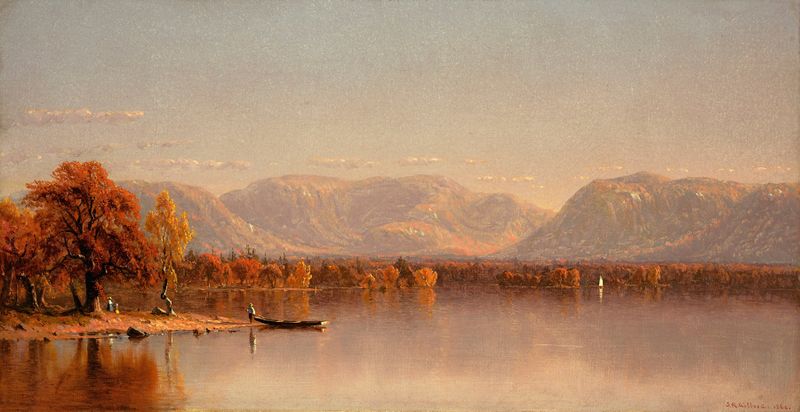
Lake Sunapee, New Hampshire
Sanford Robinson Gifford
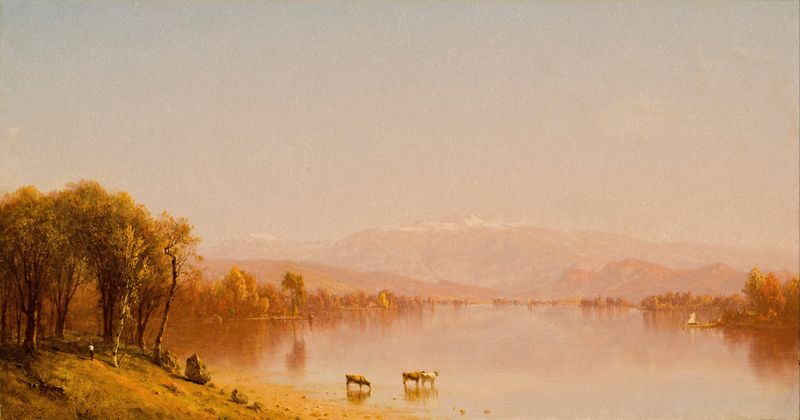
Indian Summer in the White Mountains
Sanford Robinson Gifford





