
The Arches Near the East Gate, Bury St. Edmunds Suffolk — History & Facts
In the gentle stillness of a past age, the arches whisper stories of hope, resilience, and time's passage. They stand tall and strong, cradling memories of those who walked beneath them, inviting us to contemplate the layers of life that these stones have witnessed. Look to the center of the canvas, where the arches draw your gaze inward. Capt.
Francis Grose employs a muted palette, with earthy tones of ochre and soft greens, which evoke a sense of tranquility. The structured lines of the arches lead the eye into the depth of the scene, while the delicate brushstrokes suggest the passage of time and the natural elements reclaiming their hold over the manmade structure. Notice how light filters through the openings, illuminating patches of lush foliage, hinting at nature's persistent return even amidst human endeavors. Hidden within this tranquil view lies the contrast between permanence and transience.
The sturdy stone arches symbolize strength and endurance, yet the encroaching greenery reflects nature’s resilience and the inevitability of change. This duality speaks to the viewer, urging contemplation on the balance between built heritage and the ephemeral beauty of life that surrounds it. The gentle juxtaposition resonates with a larger narrative of hope—a reminder that even as structures fade away, life continues to flourish. In 1777, Grose painted this scene at a time when the world was transitioning through social and political change, particularly in Britain.
As an antiquarian and artist, he was deeply invested in documenting the landscapes and histories of his time. His work captures not just a physical place, but a moment in history when art began to reflect individual experience and the intimate connection between humanity and the earth.
More Artworks by Capt. Francis Grose
Browse all →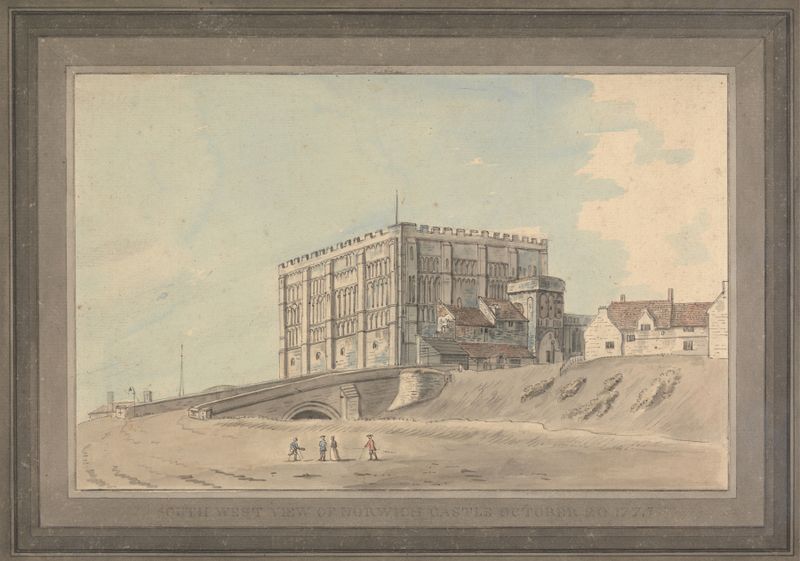
South West View of Norwich Castle
Capt. Francis Grose
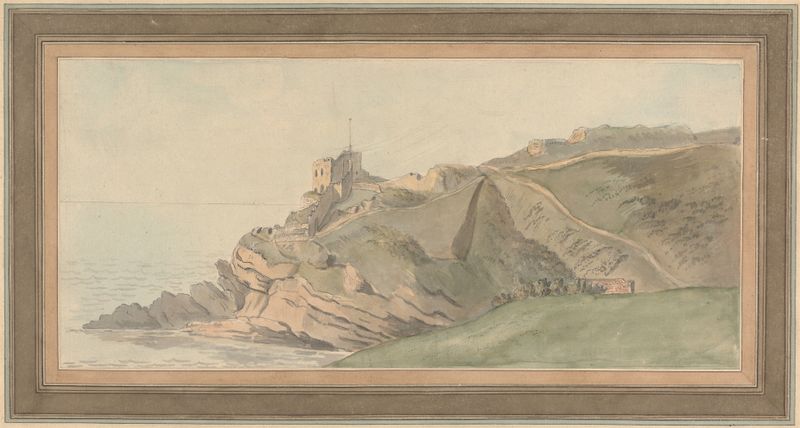
St. Catherine’s Castle at Fowey, Cornwall
Capt. Francis Grose

Canterbury Cathedral, Kent
Capt. Francis Grose
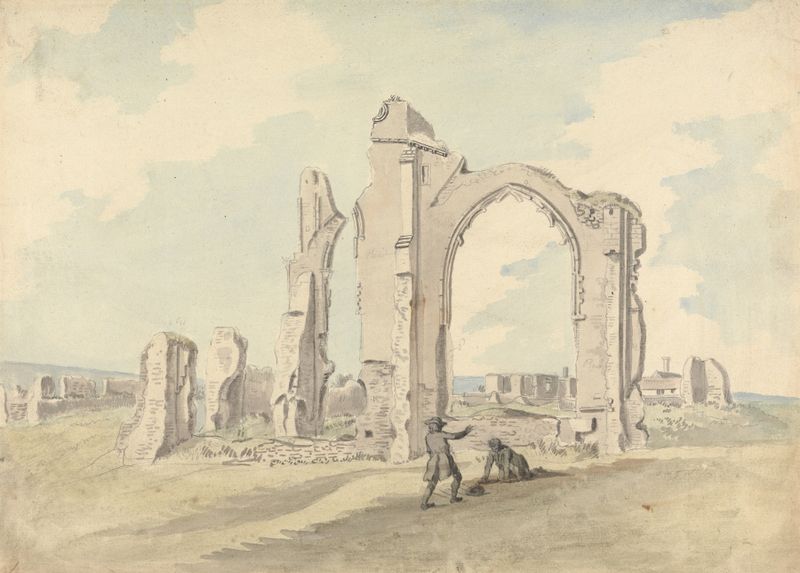
St. Mary’s Priory, Thetford
Capt. Francis Grose

Languard Fort on the River Orwell
Capt. Francis Grose

Mitford Castle, Northumberland
Capt. Francis Grose
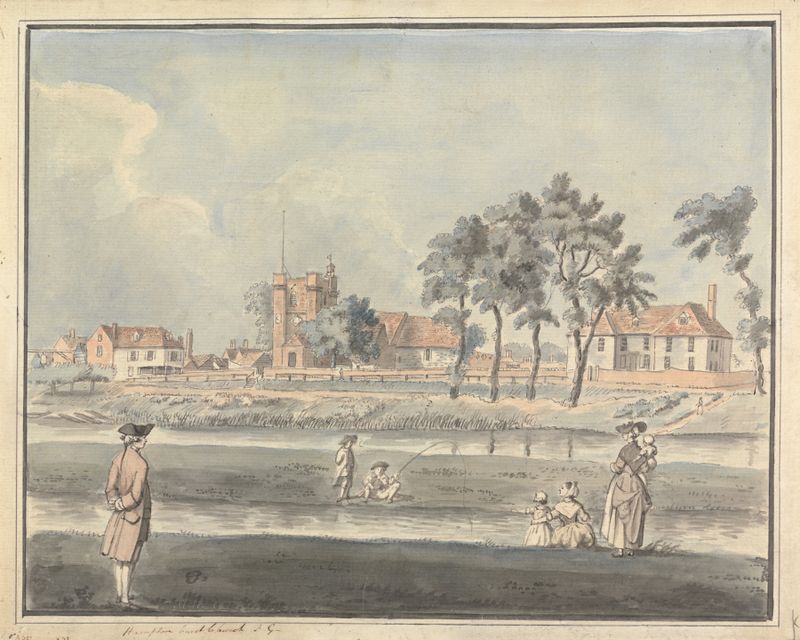
Hampton Court Church
Capt. Francis Grose

Chapel of St. Michael’s Mount
Capt. Francis Grose

Norham Castle, Northumberland
Capt. Francis Grose

Near Torrington, Devonshire
Capt. Francis Grose
More Architecture Art
Browse all →
The statue of Liberty
Frédéric Auguste Bartholdi

View of Houses in Delft, Known as ‘The Little Street’
Johannes Vermeer

View of Houses in Delft, Known as ‘The Little Street’
Johannes Vermeer

The Cathedral in Rouen. The portal, Grey Weather
Claude Monet

The yellow house
Vincent van Gogh

The Church in Auvers-sur-Oise, View from the Chevet
Vincent van Gogh