The Bridge — History & Facts
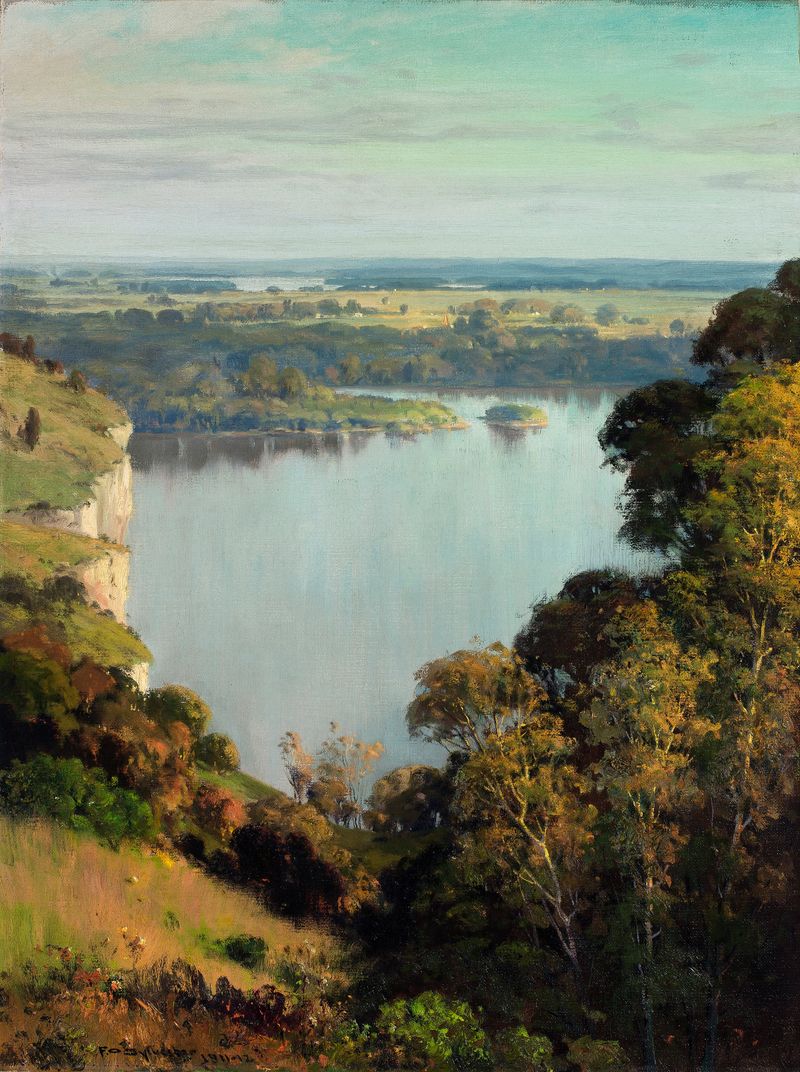
In a fleeting moment of stillness, when dreams weave into reality, we find ourselves captivated by the beauty captured in paint. Look to the left at the soft hues of twilight, where the sky merges into a cascade of lavender and soft oranges, beckoning your attention. The bridge, calm and steadfast, stretches across a shimmering body of water, reflecting the ethereal colors above. Notice how the gentle brushstrokes give life to the scene, each layer inviting you to delve deeper into the depths of this tranquil world, where the boundaries between nature and architecture blur seamlessly. Beneath the serene surface, a quiet tension unfolds.
The bridge, strong yet delicate, symbolizes the connection between two realms—the tangible and the dreamlike. The water ripples gently, hinting at a narrative of transience and impermanence. The color palette, a harmonious blend of warm and cool tones, evokes a sense of nostalgia and longing, inviting viewers to explore the emotional depths of their own dreams and aspirations. In 1903, The Bridge emerged from the hands of Frederick Oakes Sylvester during a period of artistic transition in America, where the Impressionist influence began to meld with a distinctly American sensibility.
Living in New England, Sylvester was surrounded by the tranquil landscapes that defined his work, painting at a time when the arts were finding new expressions in the face of industrial evolution. His exploration of nature and light became a profound commentary on the beauty and solitude within the ever-changing world.