The Castle of Heidelberg — History & Facts
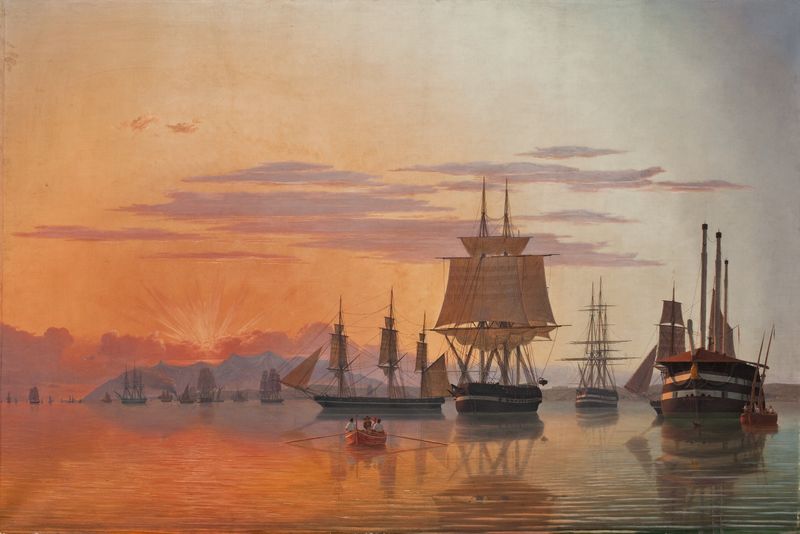
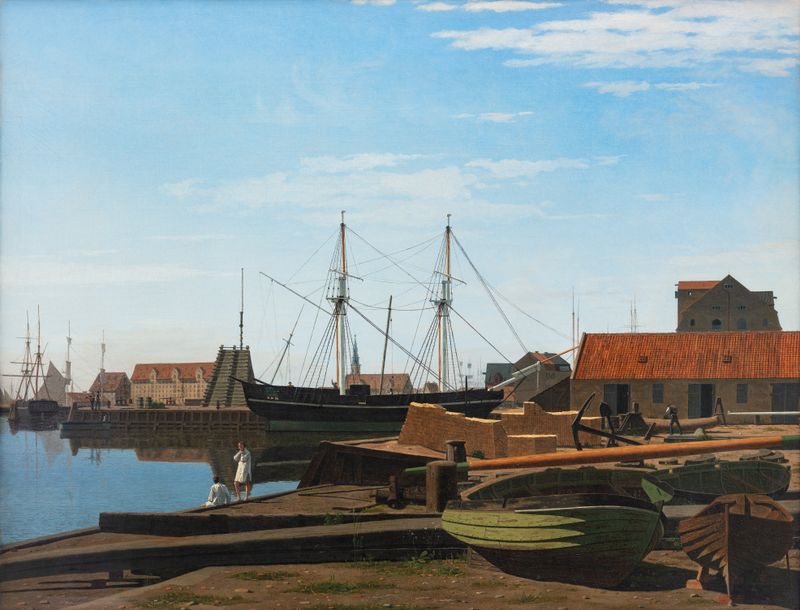
Where does light end, and longing begin? In the delicate interplay of shadow and illumination, The Castle of Heidelberg invites us to explore the boundaries between history and memory. Look to the center of the canvas, where the grandeur of the castle stands resilient against the backdrop of a setting sun. The warm oranges and golds of twilight bathe the stonework in a gentle glow, contrasting sharply with the encroaching twilight that darkens the surrounding landscape. Notice how the artist skillfully captures the textures of the rugged walls and the delicate foliage, drawing your gaze toward the intricate details that weave tales of both strength and decay. As the castle looms majestically, it symbolizes a balance between stability and transience.
The light that dances across its surface evokes a sense of nostalgia, suggesting the passage of time and the stories that linger in its crevices. Below, the serene waters reflect not just the structure but the dreams and aspirations that have ebbed and flowed through this historic site, merging the physical and the emotional in a poignant embrace. In 1838, Carl Dahl was deeply engaged with Romantic ideals, painting in Germany during a time of nationalistic fervor and a burgeoning interest in the picturesque. This work was created as he navigated the shifting landscapes of art, drawing inspiration from both nature and history, as artists sought to capture the essence of their cultural identities amidst a changing world.