
The Cemetery — History & Facts
What if beauty was never meant to be finished? In Richard Baseleer's The Cemetery, the viewer is drawn into an exploration of eternity, where life and decay coexist in haunting harmony. Look to the center of the composition, where the delicate interplay of light and shadow reveals a weathered gravestone, its rough surface contrasting with the soft, verdant grass surrounding it. The muted palette, infused with deep greens and grays, invites a meditative stillness, underscoring the solemn nature of the scene. Notice how the chiaroscuro technique accentuates the textures, creating a visual depth that leads the eye across the landscape — from the tranquil cemetery to the distant trees, shrouded in a gentle mist. As you absorb the details, consider the emotional weight of this scene.
The gravestone, bearing silent witness to lives past, speaks of loss and memory, evoking a sense of awe for the cycle of existence. Small wildflowers peek through the grass, symbolizing resilience and the beauty that persists even amidst sorrow. This contrast between decay and verdancy prompts reflections on the transient nature of life and the art that seeks to capture it. In the early 1910s, Baseleer was deeply influenced by the Symbolist movement, often exploring themes of mortality and the subconscious.
During this period, he painted The Cemetery in the tranquil setting of his homeland, amid a growing interest in capturing the ephemeral beauty of life. This work, imbued with both nostalgia and reverence, reflects a significant moment in his artistic journey, when he sought to articulate the unspoken ties between beauty and loss.
More Artworks by Richard Baseleer
Browse all →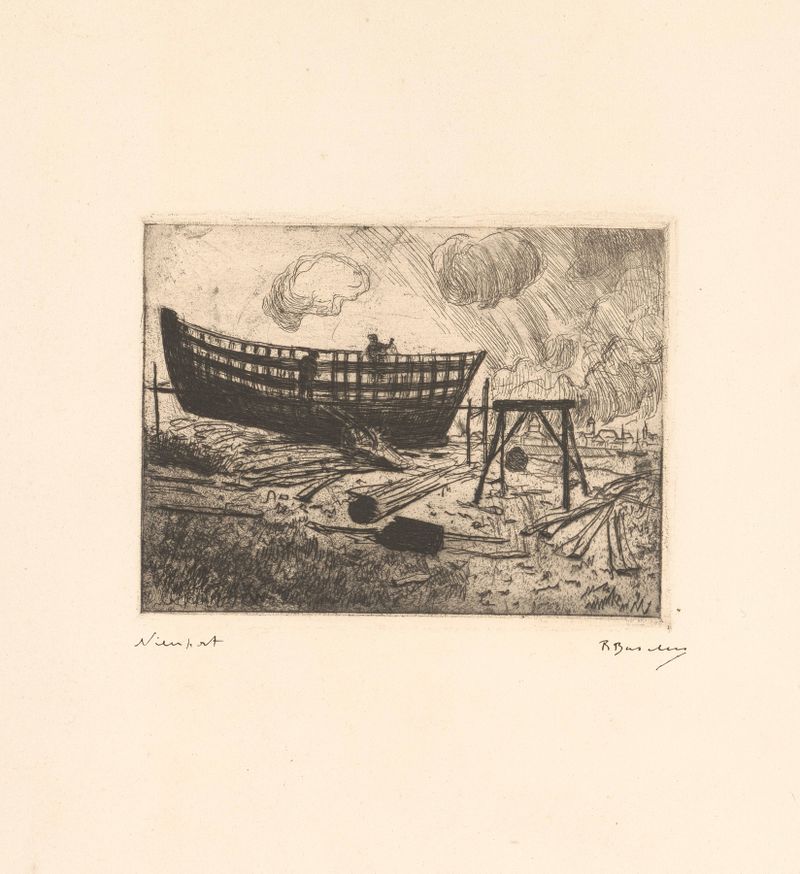
Nieuwpoort
Richard Baseleer

Dike Building on the Beach at Knokke
Richard Baseleer

View of the harbour
Richard Baseleer

Nieuwpoort
Richard Baseleer
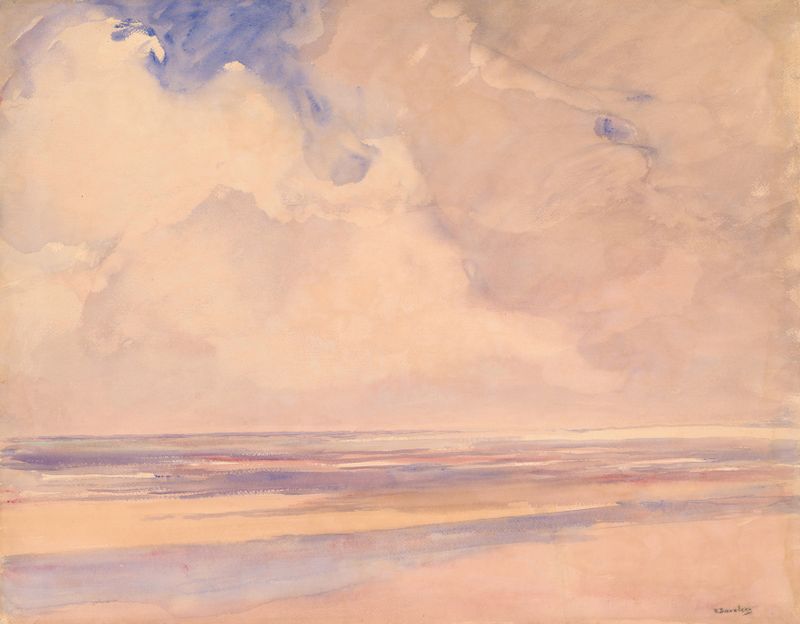
Sea view
Richard Baseleer
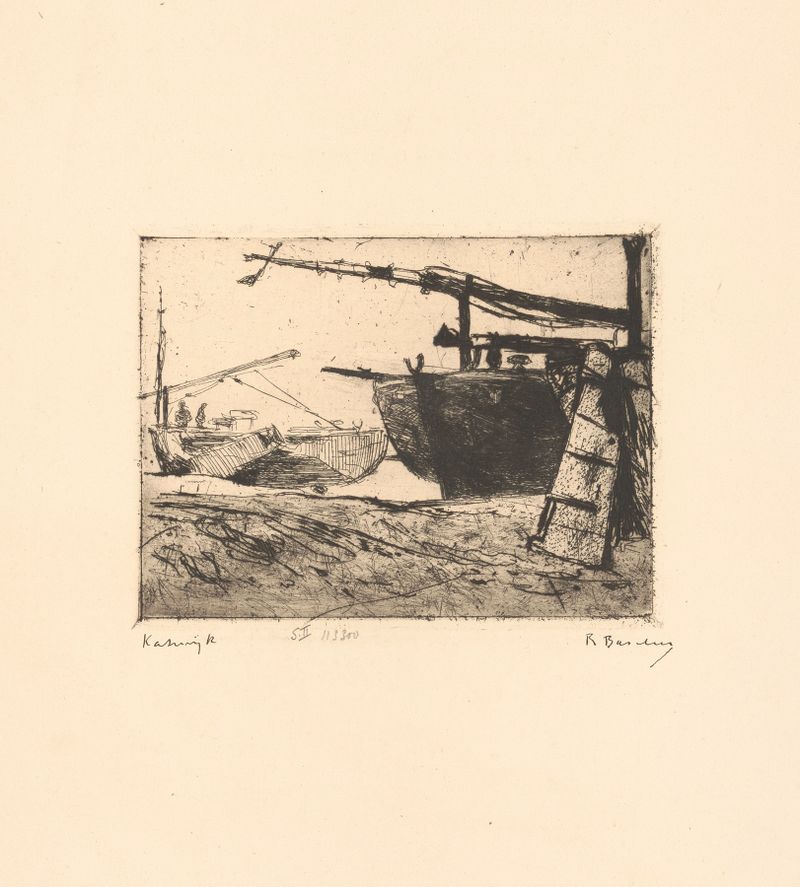
Views of Katwijk
Richard Baseleer

Views of Katwijk
Richard Baseleer
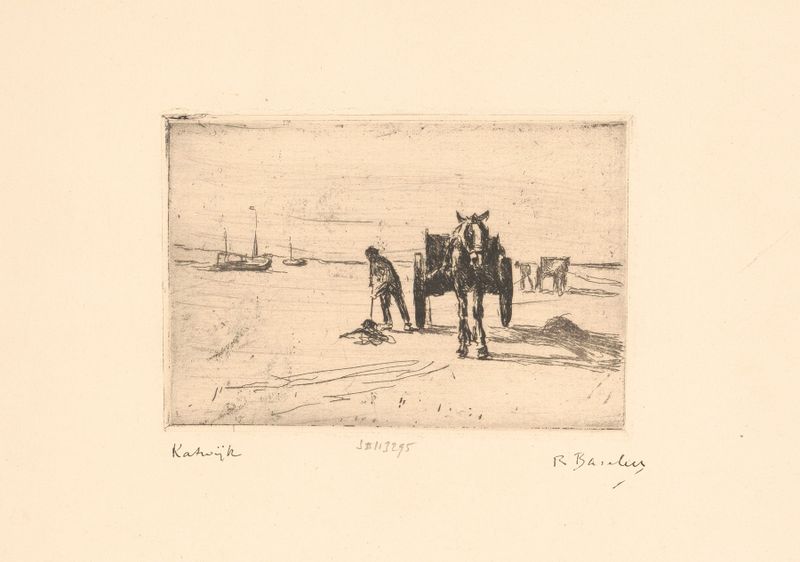
Views of Katwijk
Richard Baseleer

Views of Katwijk
Richard Baseleer

Views of Katwijk
Richard Baseleer





