The City of Baltimore — History & Facts
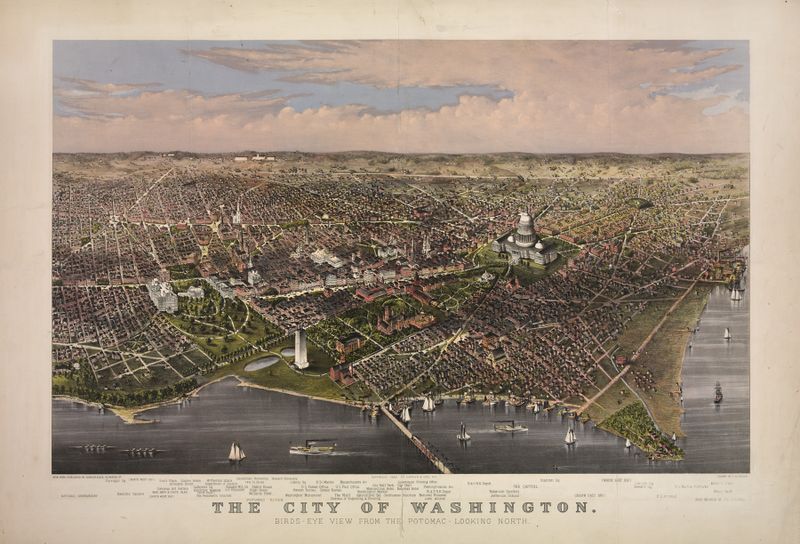
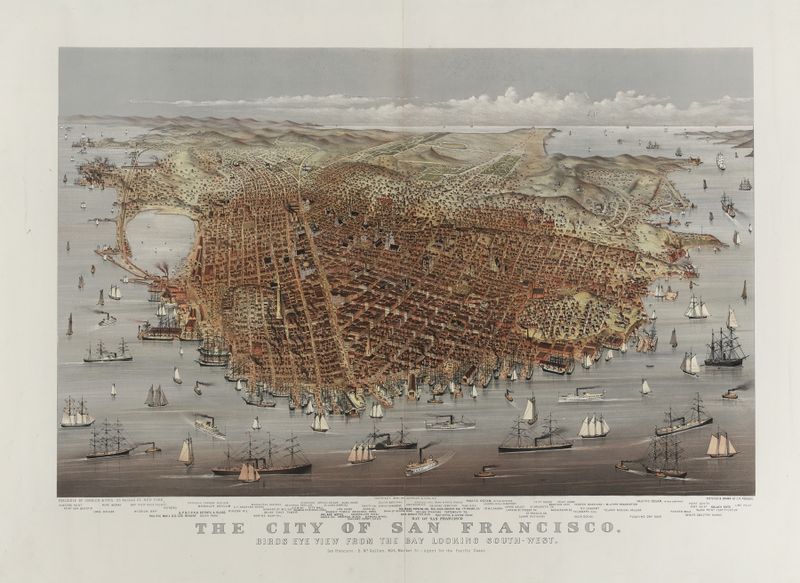
Within the expansive canvas, divinity whispers through the silence of the cityscape, inviting contemplation in every shadow and light. Look to the left at the towering spires that reach for the heavens, beckoning the viewer to marvel at their grandeur. Notice the delicate interplay of light and shadow; soft pastels give way to stark contrasts, imbuing the scene with a reverent serenity. The meticulously rendered buildings stand not merely as structures, but as embodiments of dreams and aspirations, each façade a testament to the spirit of urban life. Hidden within the composition is a dichotomy of hustle and introspection.
The bustling streets, though bustling with life, seem muted, as if time has paused for reflection. This tension between activity and stillness creates a profound emotional landscape, where the viewer feels the weight of the city's history and the promise of its future. The harmonious blend of colors symbolizes hope, while the undercurrents of solitude reveal the complexities of urban existence. In 1880, Charles Richard Parsons painted this homage to the city from his studio in Baltimore, amidst a transformative period in American art.
The rise of urbanization was reshaping landscapes and lives, and Parsons sought to capture the spirit of a burgeoning metropolis. This work reflects a time when artists were beginning to explore the relationship between individuals and their environments, marking a significant shift toward modernist perspectives in the art world.