The City Outskirts — History & Facts
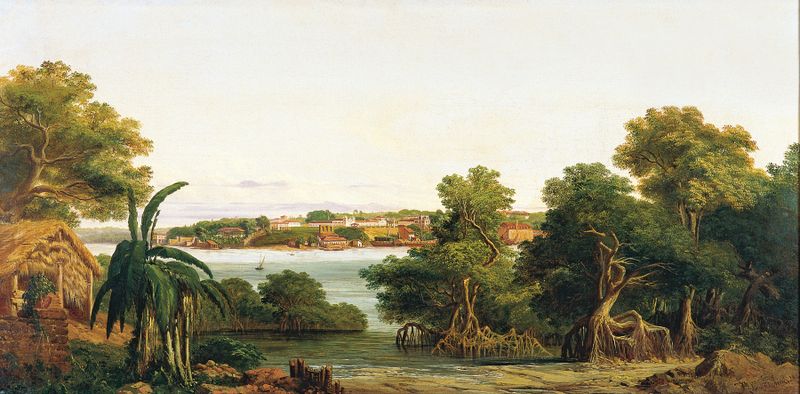
What if beauty was never meant to be finished? In the quiet embrace of time, the edges of existence blur, revealing a world suspended between the ephemeral and the eternal. Look to the lower left corner; the muted greens and browns of the landscape draw your gaze into a serene expanse, where nature and urbanity may coexist yet remain distinct. Notice how the artist employs soft brush strokes to create an ethereal haze, allowing the viewer to feel the weight of the air – thick with memories and unspoken narratives. The interplay of light and shadow across the buildings hints at burgeoning life, yet they remain distant, almost ghostly, evoking a sense of longing for what might be just out of reach. As you delve deeper into the work, consider the juxtaposition of the natural and man-made elements.
The distant cityscape lingers like an unanswered question, a reminder of progress that encroaches upon untouched beauty. The horizon, painted in subdued hues, suggests both hope and melancholy, inviting contemplation on the passage of time and our relationship with the landscapes we inhabit. The painted scene speaks volumes through its silence, encouraging a connection that transcends mere observation. Created during a transformative period in the late 19th century, Righini’s work reflects the tensions of modernization and the longing for the idyllic past.
Though not much biographical information is readily available regarding his life, this painting captures the essence of a time when artists grappled with their identity amid rapid change in society and art itself, seeking to find balance between the call of the future and the echoes of nature.