
The Crowning with Thorns — History & Facts
Can beauty exist without sorrow? The interplay of light and shadow dances through the canvas, inviting you to ponder the depths of human experience wrapped in a vibrant tapestry of color. Focus on the central figure, whose anguish is palpable despite the resplendent hues surrounding them. The rich reds and deep greens draw your attention, highlighting the contrast between physical suffering and the divine presence intended to be evoked. Notice the intricate details in the crown of thorns, each thorn sharp yet beautifully rendered, juxtaposing pain with the elegance of artistic craftsmanship.
The skillful use of chiaroscuro amplifies the emotional weight, emphasizing the vulnerability of the subject against a tumultuous backdrop. As your gaze wanders, you may notice the subtle expressions of those present—each face a complex blend of reverence and despair. The delicate interplay between the figure’s position and the gaze of the onlookers hints at a collective grief, as if the sorrow is shared among all. The colors, too, serve as a powerful reminder of the duality of existence; the vibrant palette evokes life but simultaneously underscores profound sadness, reflecting the paradox of beauty intertwined with suffering. Created between 1540 and 1550, this piece reflects the artistic tendencies of the late Renaissance, where emotion became a central theme.
During this period, artists sought to capture the human condition's complexities, influenced by the shifting tides of religious and cultural change. The identity of the artist remains a mystery, yet their work speaks to the collective conscience of an era grappling with faith, pain, and the search for meaning.
More Artworks by Unknown Artist
Browse all →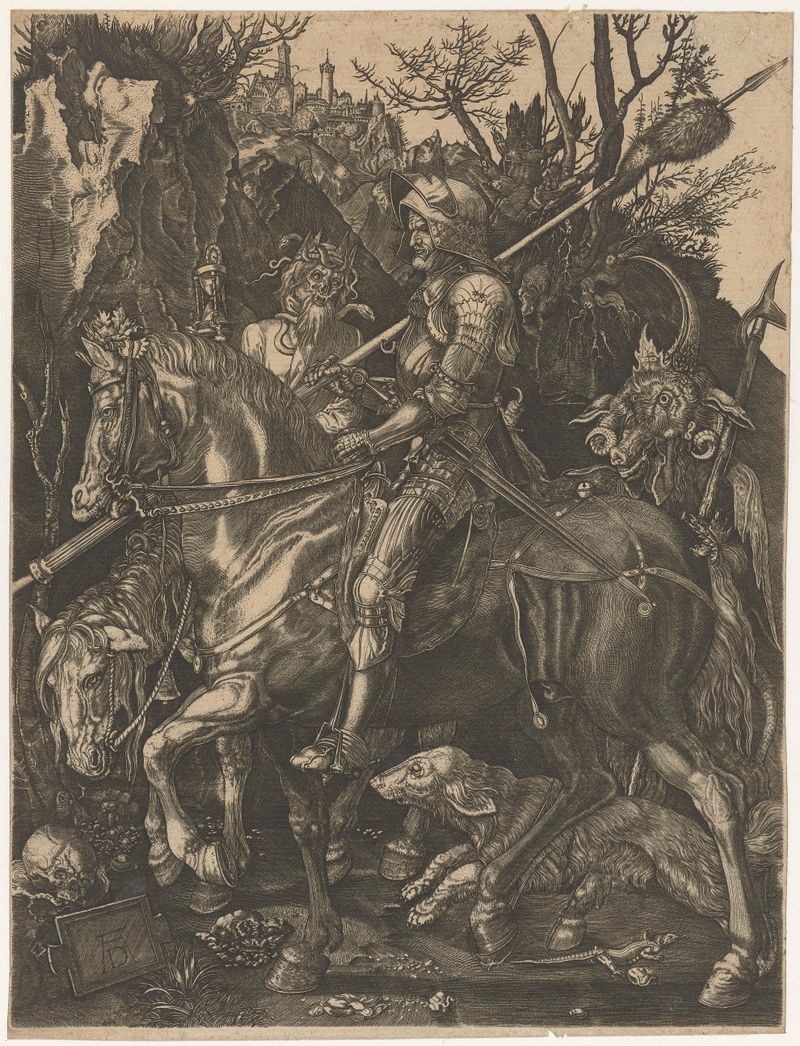
Ridder, Dood en Duivel
Unknown Artist
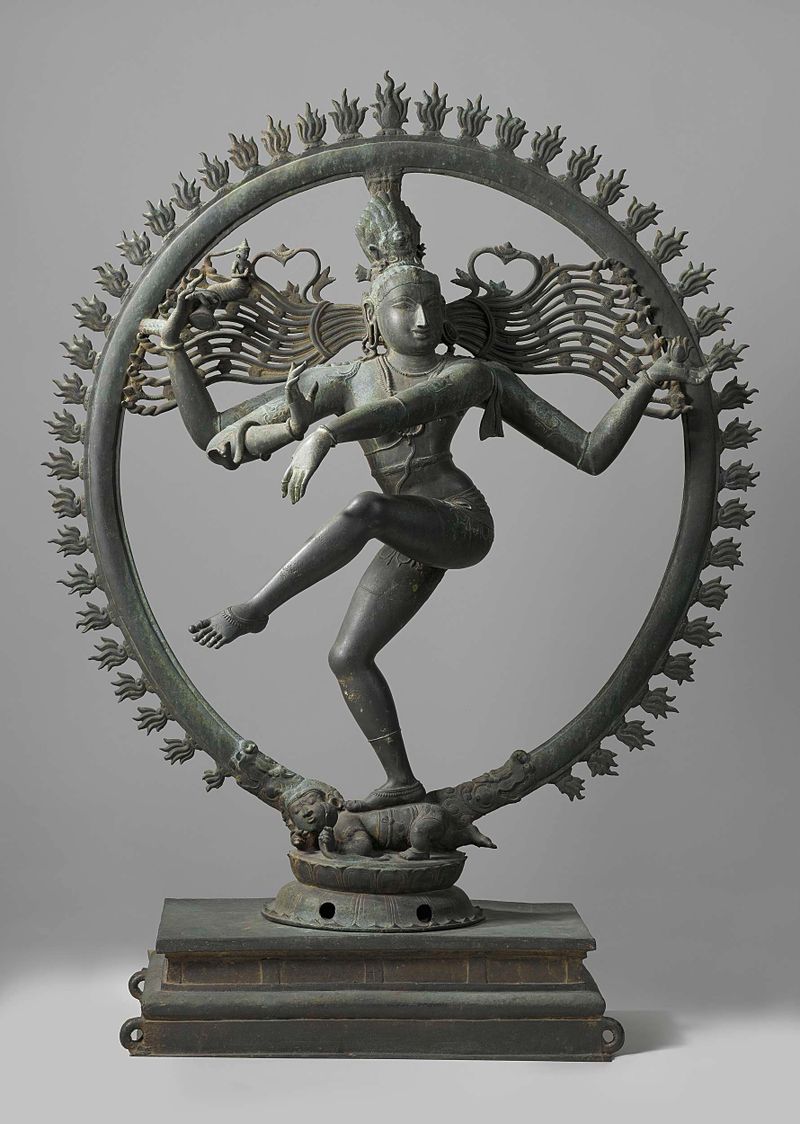
Shiva Nataraja
Unknown Artist
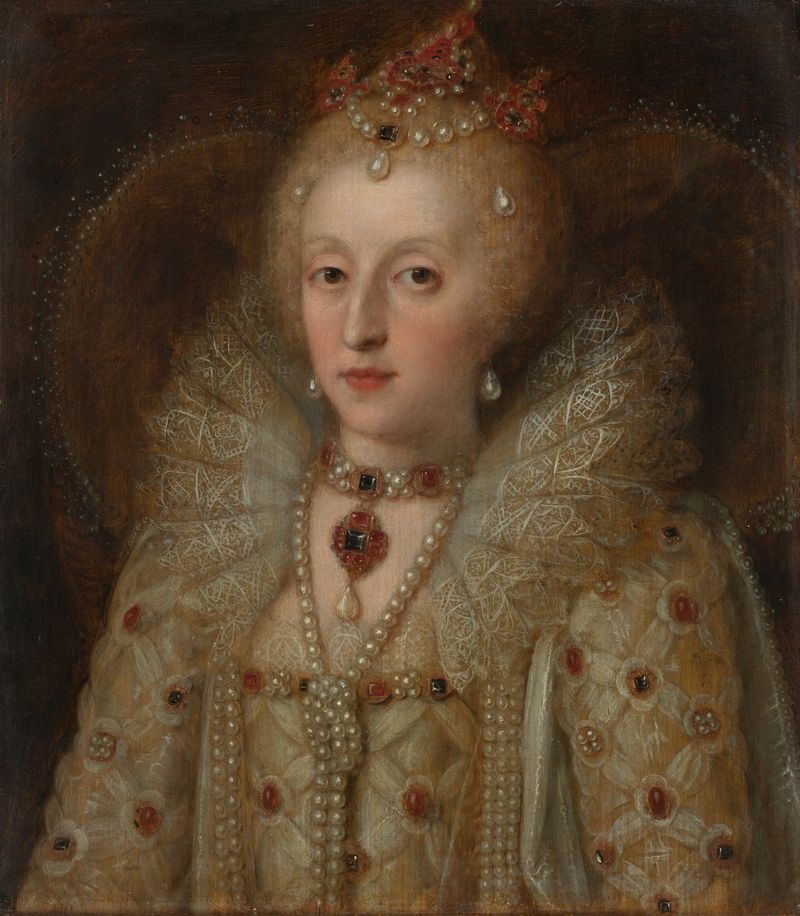
Portrait of Elizabeth I, Queen of England
Unknown Artist
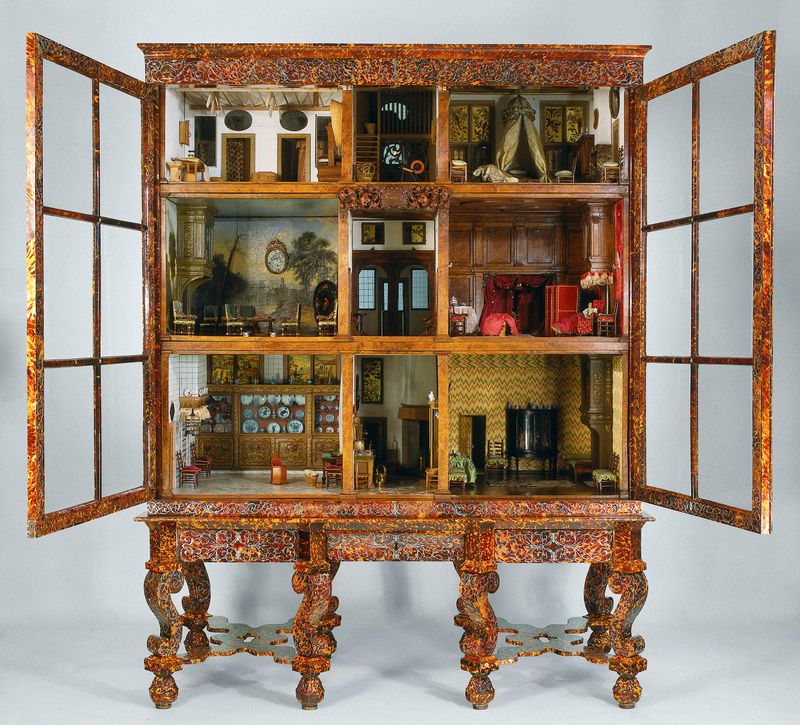
Dolls’ house of Petronella Oortman
Unknown Artist
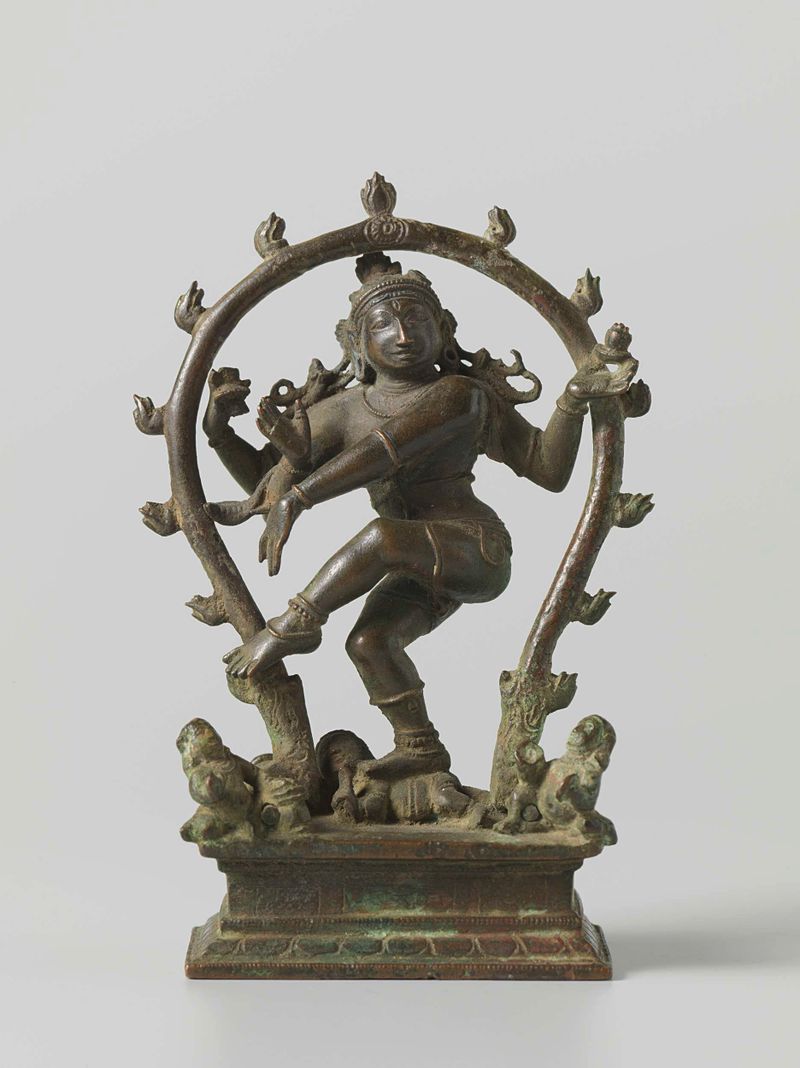
Shiva Nataraja
Unknown Artist

The Tale of Genji
Unknown Artist

The Tale of Genji
Unknown Artist
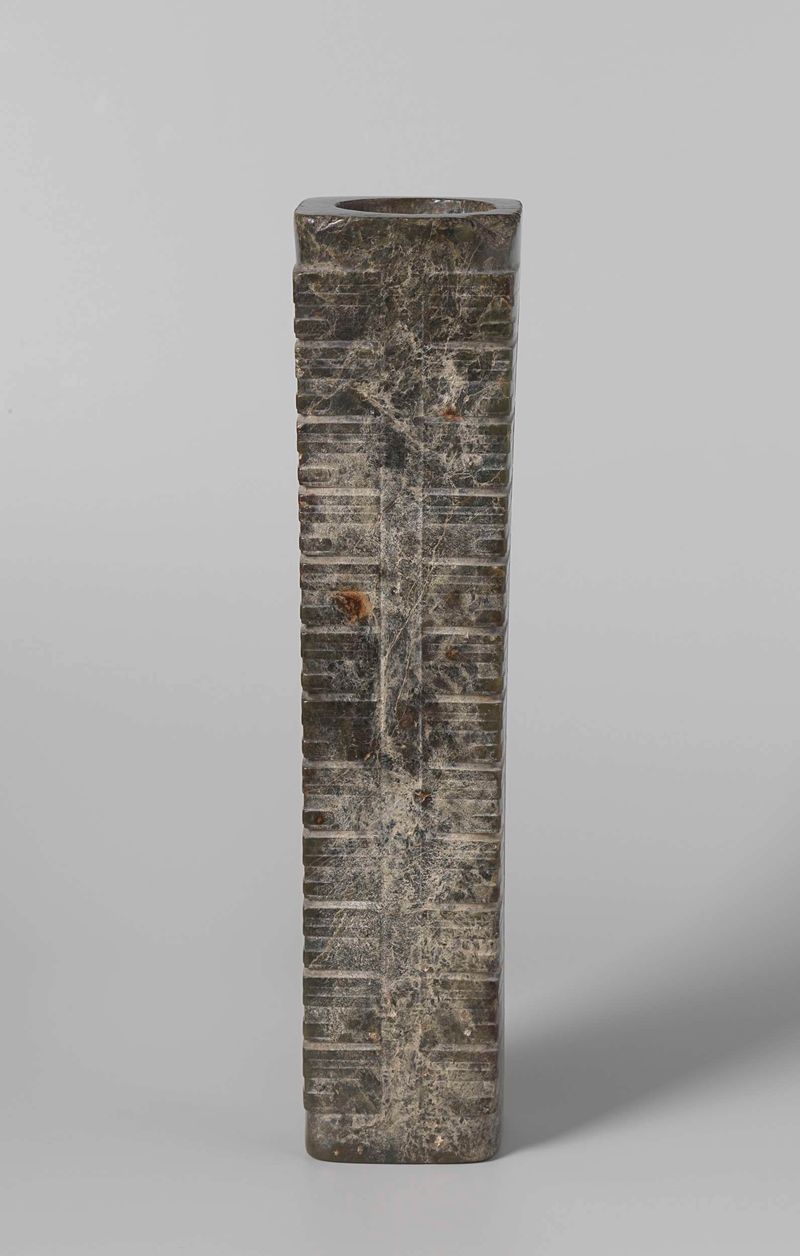
Cong
Unknown Artist
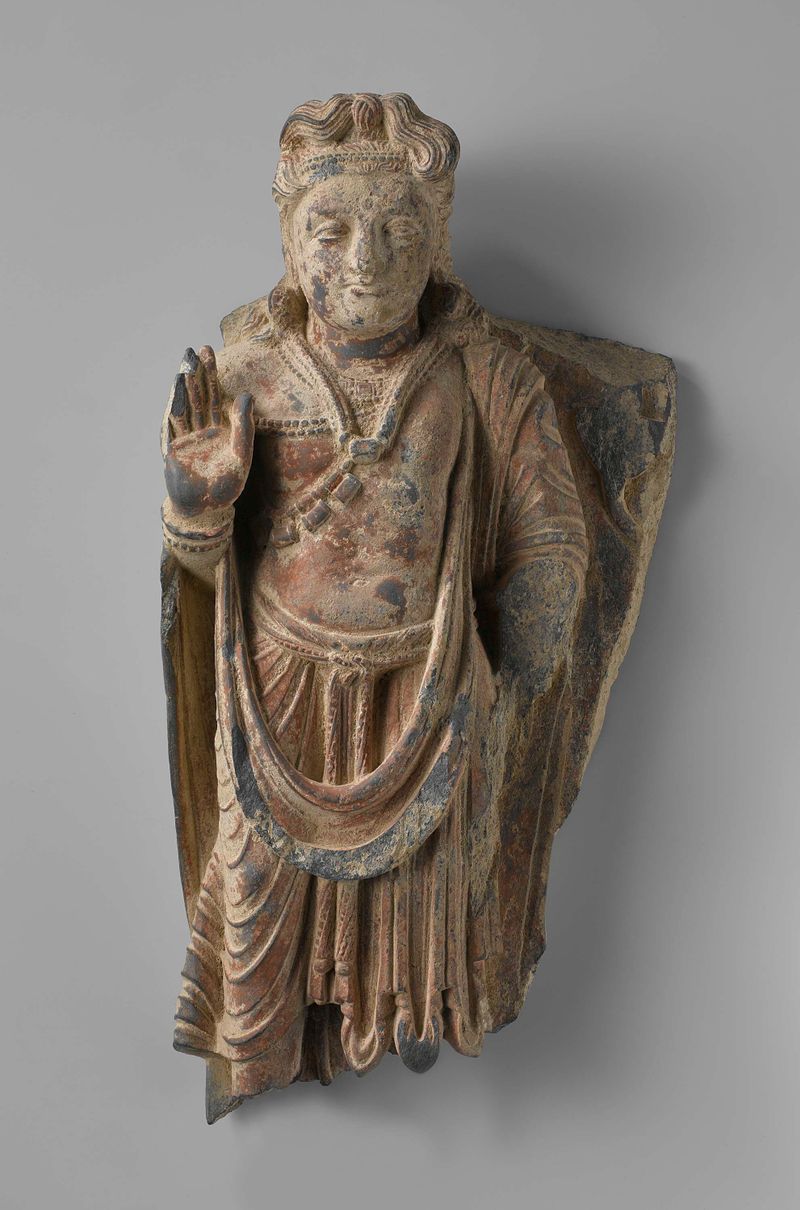
The bodhisattva Maitreya
Unknown Artist
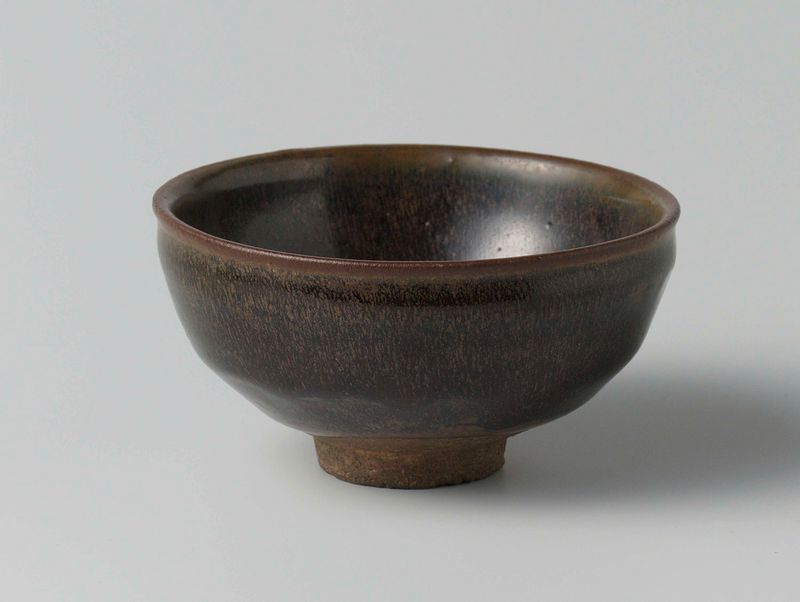
Teabowl with a 'hare's fur' glaze
Unknown Artist
More Religious Art
Browse all →
The Return of the Prodigal Son
Rembrandt van Rijn

The Garden of Earthly Delights
El Bosco

Count Orgaz’ funeral
El Greco

The Hundred Guilder Print: the central piece with Christ preaching, the plate arched
Rembrandt van Rijn

The Descent from the Cross
Rogier van der Weyden

The return of the prodigal son
Rembrandt van Rijn