
The Dents Du Midi Seen From Chesières — History & Facts
When did color learn to lie? In a world where hues are meant to reflect truth, The Dents Du Midi Seen From Chesières offers a haunting exploration of grief masked in vibrant landscapes. The colors dance, yet beneath their beauty lies an unsettling tension that beckons us to question reality itself. Look to the center of the canvas, where the majestic peaks rise, their jagged silhouettes etched against a sky that shifts from azure to melancholy gray. The brushwork is dynamic, almost frenetic, suggesting a tempest beneath the surface serenity.
Notice how the warm sunlight washes over the mountains, contrasting sharply with the cool shadows that weave around the valleys, creating a visual dialogue of hope and despair. Each stroke reveals an artist wrestling with both beauty and sorrow, inviting the viewer to explore the emotional landscape within themselves. As you delve deeper, consider the interplay of light and shadow that symbolizes an internal struggle. The radiant sun casts a deceptive optimism over a scene tinged with longing, while the cloud-covered heights evoke the weight of loss and nostalgia.
This duality reflects not only the artist's personal experiences but also a broader commentary on the ephemeral nature of happiness, reminding us that even the brightest hues can conceal deep-seated grief. In 1912, Ferdinand Hodler painted this work during a time of significant artistic evolution, marked by a shift toward Symbolism and expressionism. Living in Switzerland, he was influenced by the breathtaking landscapes around him, yet his personal life was fraught with loss, including the death of loved ones. This painting serves as a poignant reflection of his inner turmoil, encapsulating a moment in art history where the emotional resonance of color sought to convey both beauty and sorrow.
More Artworks by Ferdinand Hodler
Browse all →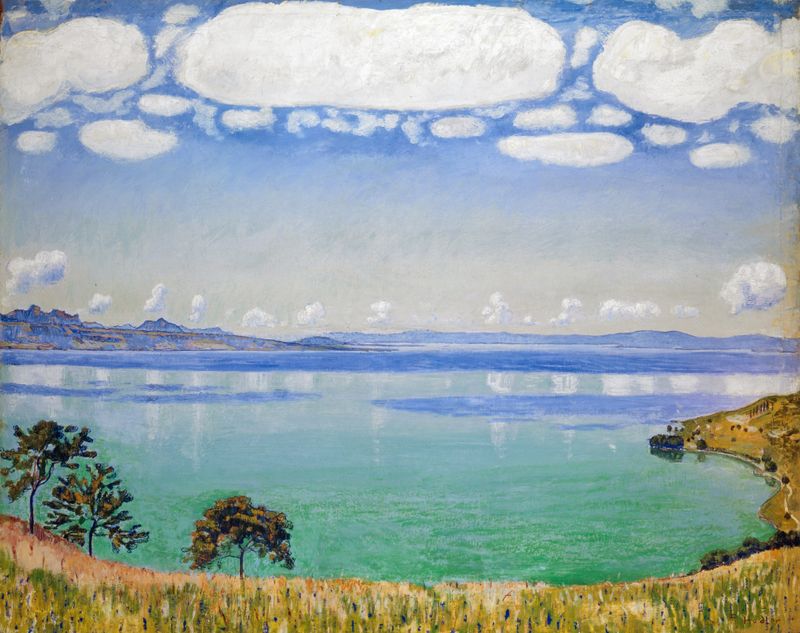
Lake Geneva From Chexbres
Ferdinand Hodler
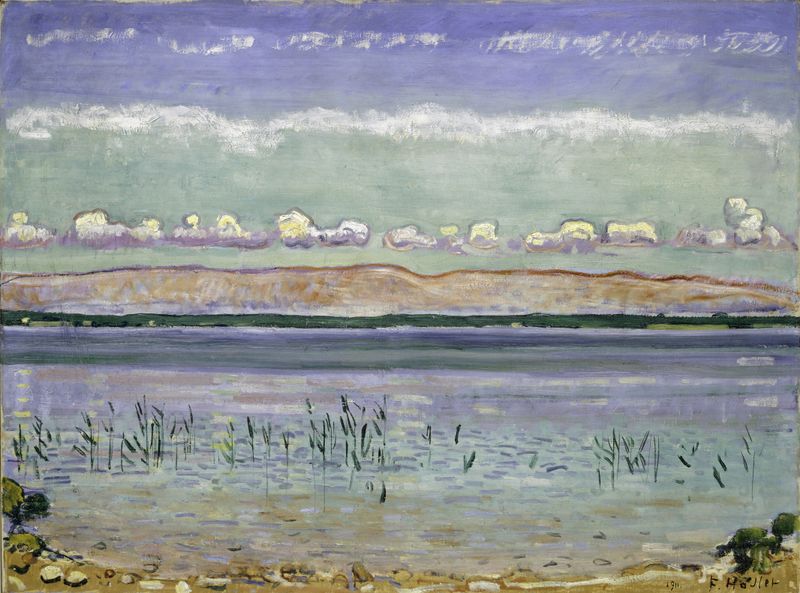
Lake Geneva With Jura Hills
Ferdinand Hodler
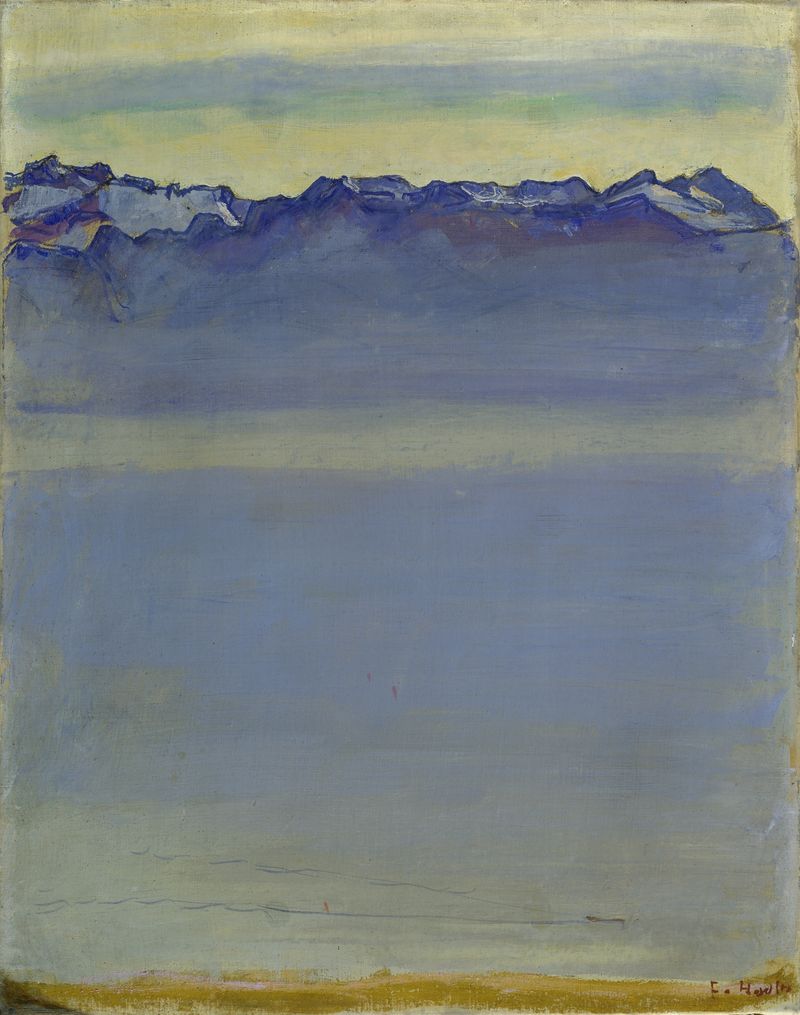
Lake Geneva with the Savoy Alps
Ferdinand Hodler
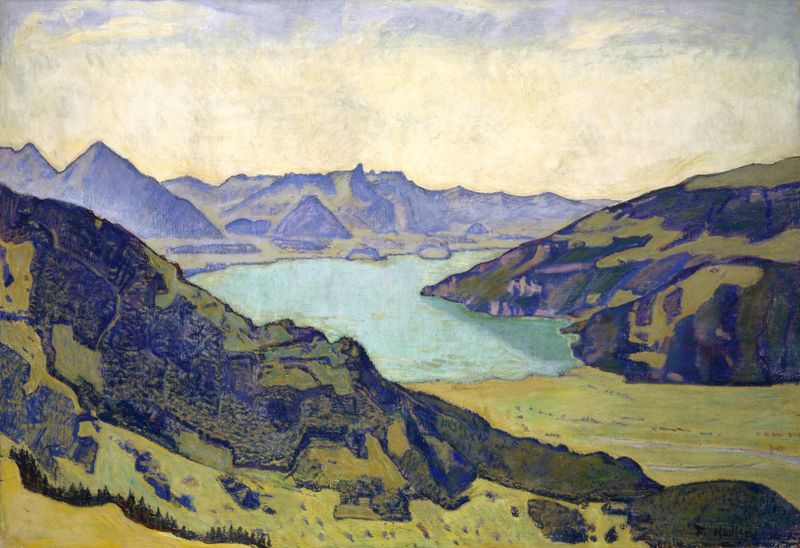
Lake Thun From Breitlauenen
Ferdinand Hodler
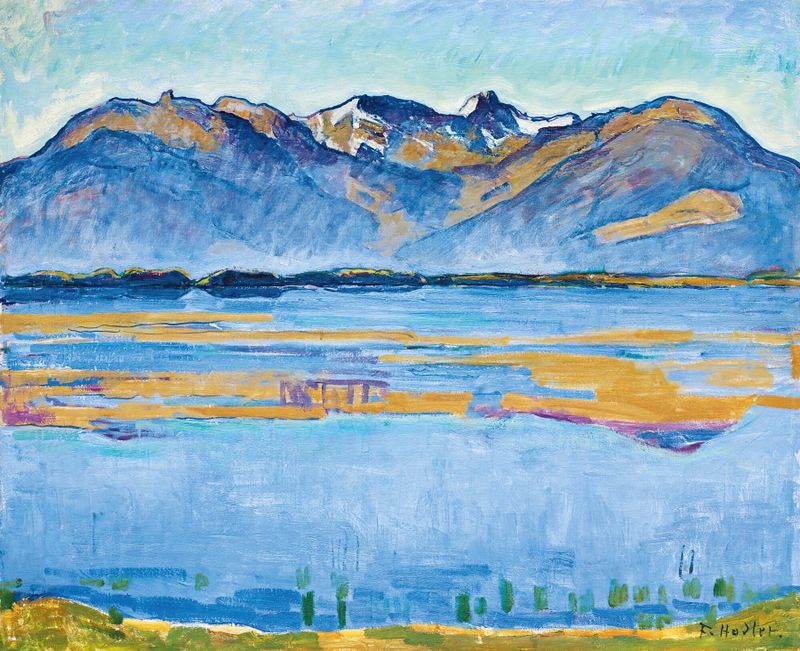
Montana Landscape With Becs De Bosson And Vallon De Réchy
Ferdinand Hodler

James Vibert, Sculptor
Ferdinand Hodler
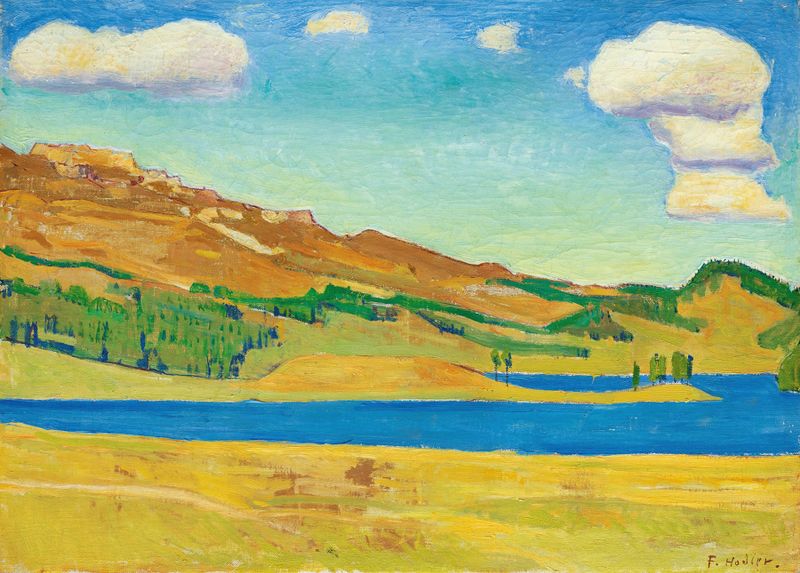
Lake Champfèr
Ferdinand Hodler
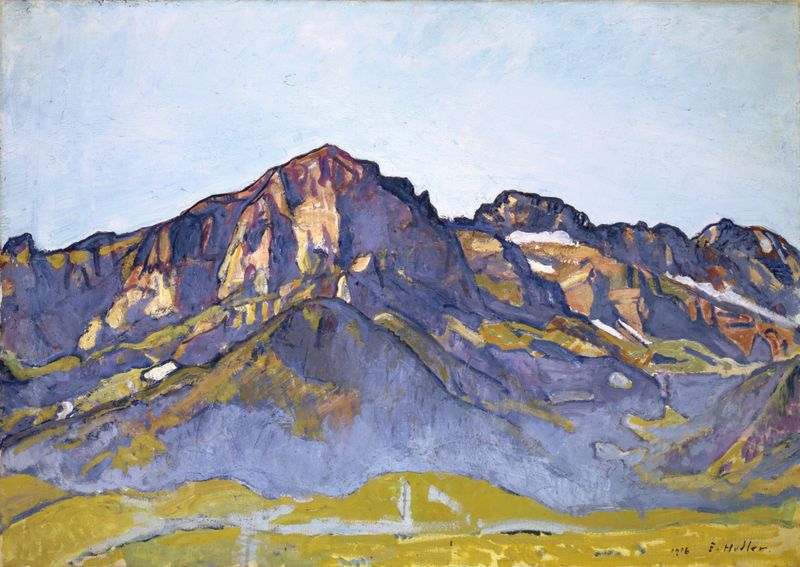
The Dents Blanches At Champéry In The Morning Sun
Ferdinand Hodler

Day (Truth)
Ferdinand Hodler
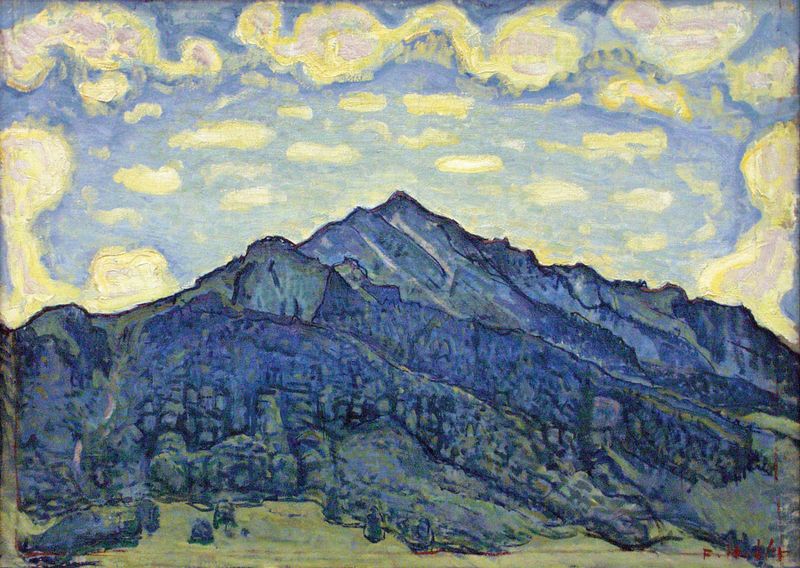
Landschaft in den Schweizer Alpen
Ferdinand Hodler





