
The Deserted Mill — History & Facts
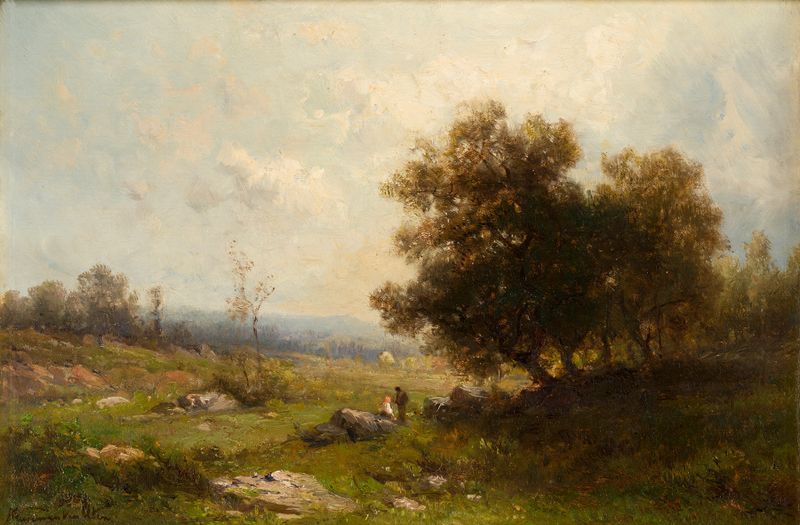
The allure of a forgotten place, the delicate tension between elegance and decay, invites us to explore the depths of emotion woven into every brushstroke. Look closely at the ruins dominating the left side of the canvas, where weathered stones rise like solemn sentinels amidst the encroaching wilderness. The soft light bathes the scene in warm hues, casting a golden glow that juxtaposes the somber subject matter. Notice how the artist has skillfully employed a muted palette, allowing traces of vibrant greens to emerge from the underbrush, symbolizing both life’s resilience and the quiet, melancholic beauty of abandonment. In this tranquil yet haunting depiction, one can discern the emotional weight of solitude.
The juxtaposition of the mill’s sturdy structure against the natural environment hints at the passage of time and the inevitability of change. As vines creep over the crumbling façade, they whisper stories of forgotten labor and dreams, reminding us that even in desolation, there is a poignant beauty to be found. This tension between decay and life invites viewers to reflect on their own moments of loss and nostalgia. Hendrik Dirk Kruseman van Elten painted this work in 1883, during a period of personal struggle and financial uncertainty.
Living in the Netherlands, he navigated a world of shifting artistic movements, often feeling the weight of modernity encroaching on the serene beauty he sought to capture. It was in this context of introspection and change that The Deserted Mill emerged, a testament to his sensitivity towards the evocative power of landscapes and their stories.
More Artworks by Hendrik Dirk Kruseman van Elten
Browse all →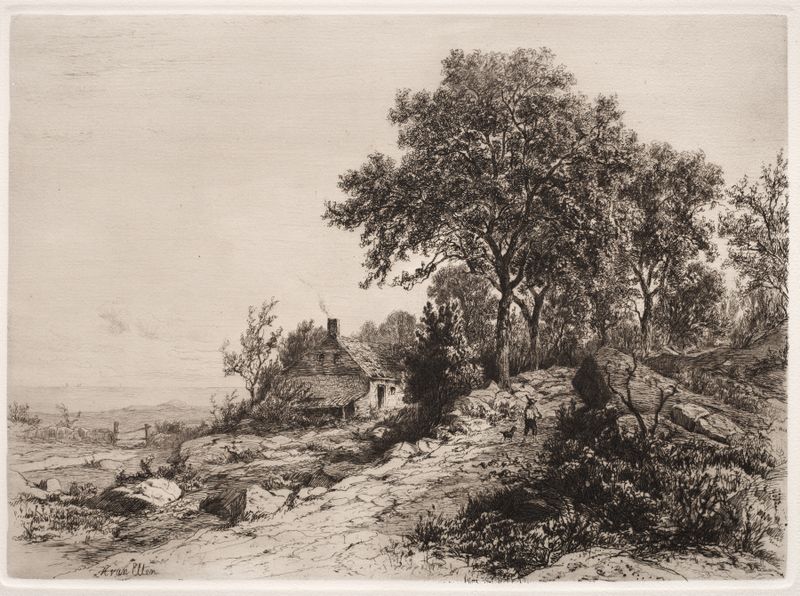
Cottage by the Sea
Hendrik Dirk Kruseman van Elten
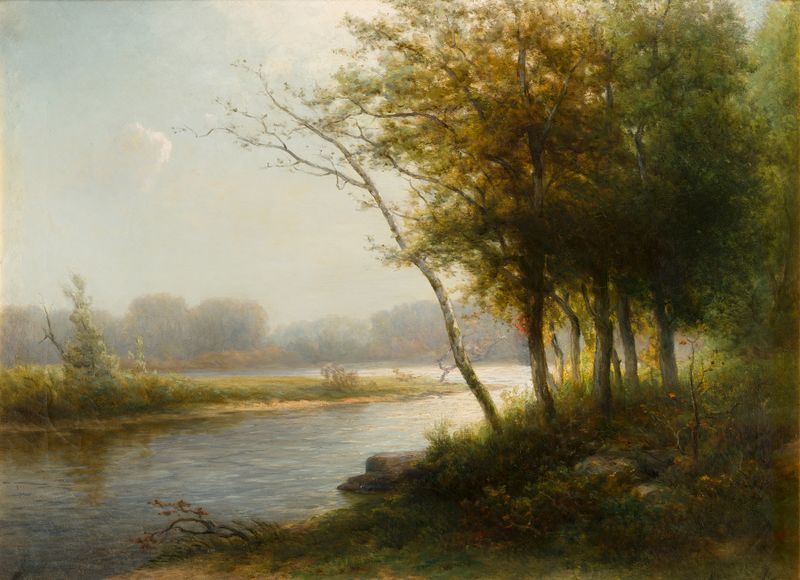
Morgenstond te Little Falls
Hendrik Dirk Kruseman van Elten
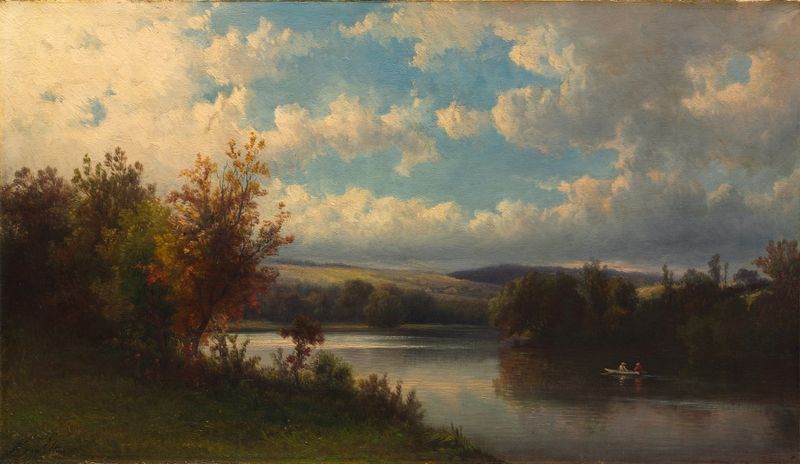
Landscape near Granby, Connecticut
Hendrik Dirk Kruseman van Elten
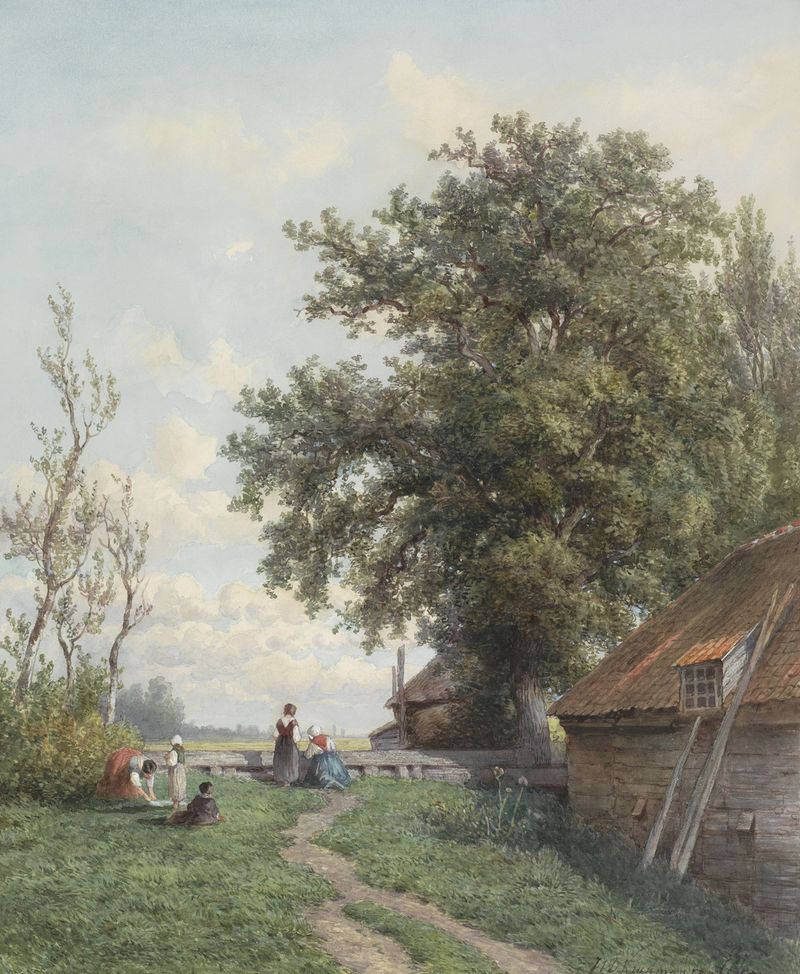
Boerenerf met enige figuren, rechts een schuur en grote boom
Hendrik Dirk Kruseman van Elten
Landschap met geboomte
Hendrik Dirk Kruseman van Elten





