
The edge of the forest — History & Facts
Can beauty exist without sorrow? In the interplay of light and shadow, The Edge of the Forest captivates, inviting viewers to ponder the delicate balance between joy and melancholy. Look to the left where the vibrant emerald foliage meets the soft, muted tones of the underbrush. Notice how the artist’s brushstrokes meld together, creating a texture that almost beckons you to touch the canvas. The play of sunlight breaking through the tree canopy forms dappled patterns on the ground, suggesting a moment frozen in time where nature flourishes but quietly hints at the passage of seasons. Beneath the surface lies a narrative of tension.
The lush greenery evokes a sense of life and vibrancy, yet the shadows lurking in the undergrowth whisper of the unknown. The tension between the radiant light and the encroaching darkness reflects a duality: growth comes at a cost. Each detail, from the intricate leaves to the fading petals, holds significance, embodying weighty themes of transience and endurance in nature’s cycle. Richard Baseleer painted this piece during a period marked by introspection and exploration of natural forms, though the exact date remains elusive.
Influenced by the Romantic movement, his work often reflects a longing for connection to the wild, while simultaneously grappling with the underlying sadness that accompanies beauty. The tension present in The Edge of the Forest echoes a broader artistic conversation of the time, emphasizing the complexity of human emotion in relation to the natural world.
More Artworks by Richard Baseleer
Browse all →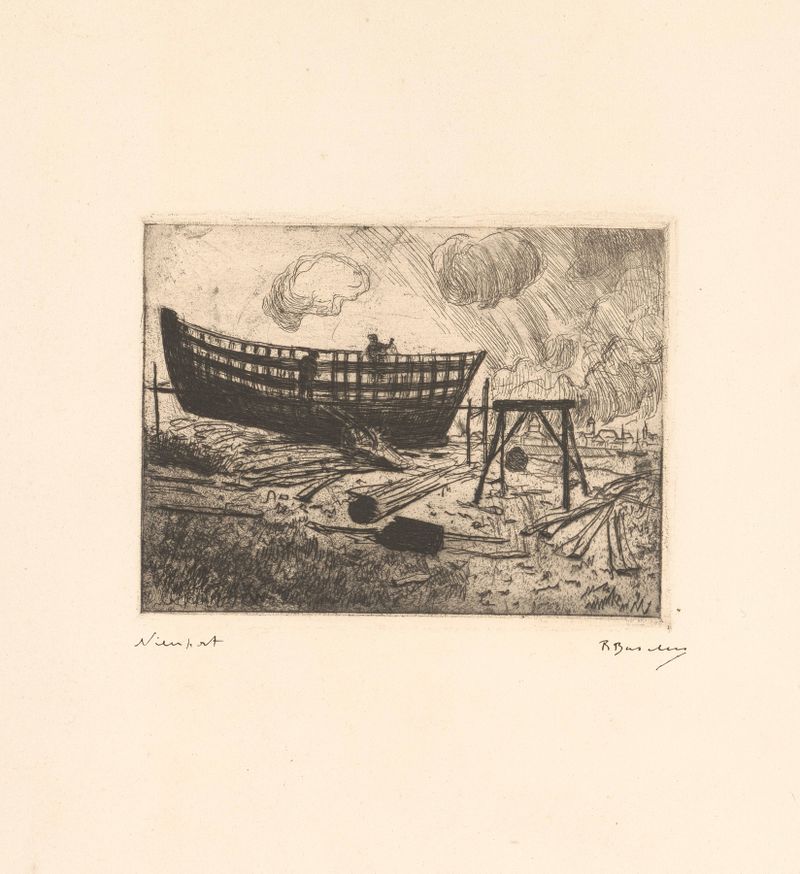
Nieuwpoort
Richard Baseleer

Dike Building on the Beach at Knokke
Richard Baseleer

View of the harbour
Richard Baseleer

Nieuwpoort
Richard Baseleer
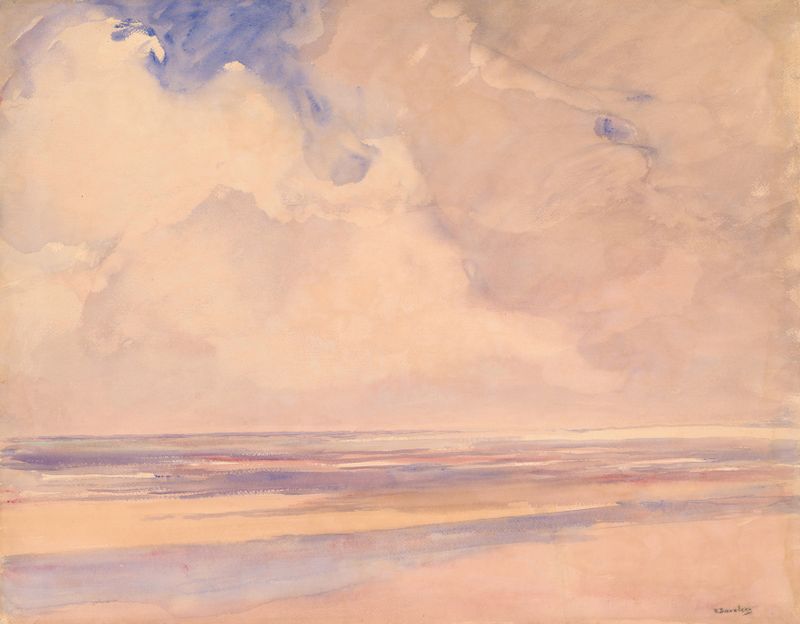
Sea view
Richard Baseleer
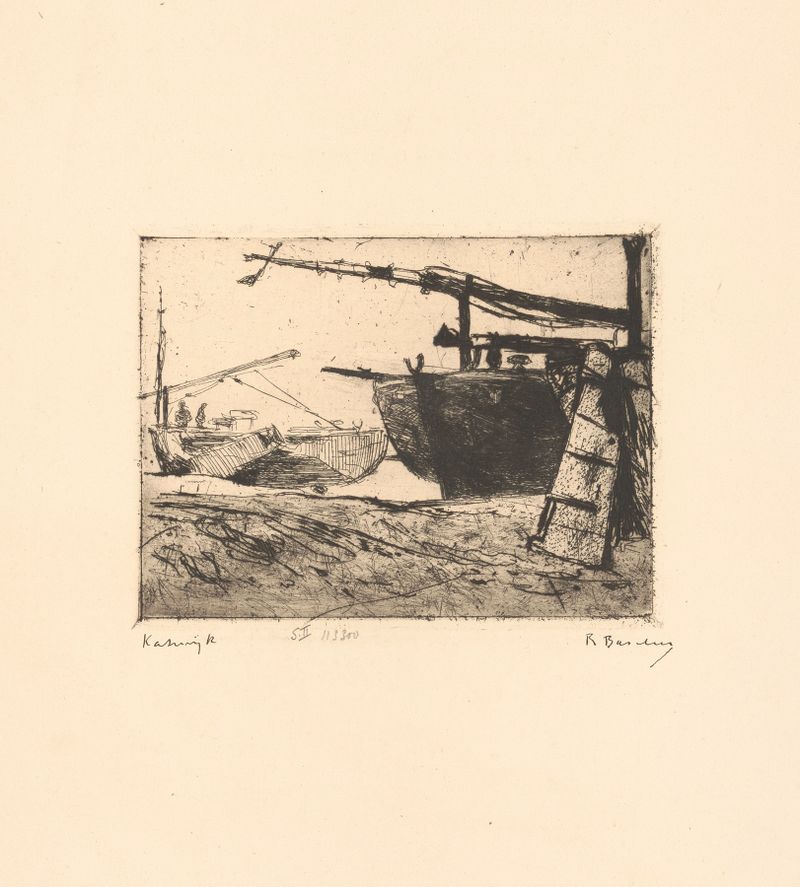
Views of Katwijk
Richard Baseleer

Views of Katwijk
Richard Baseleer
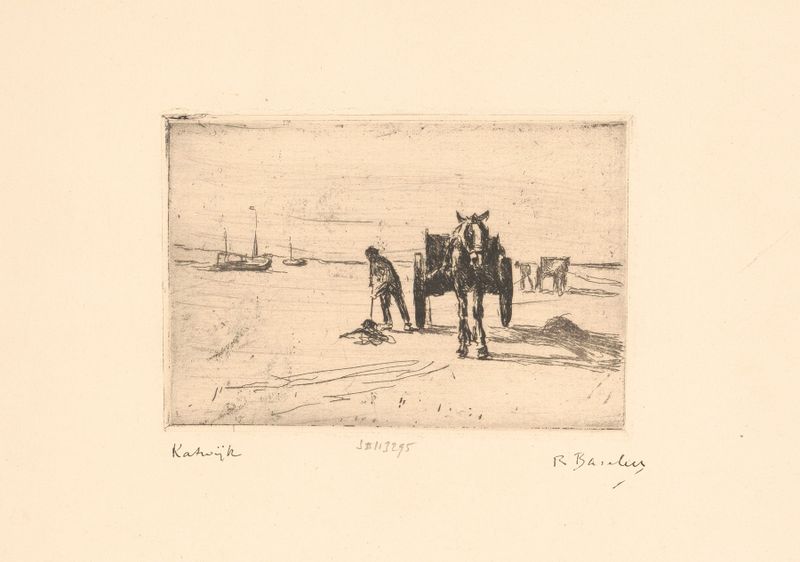
Views of Katwijk
Richard Baseleer

Views of Katwijk
Richard Baseleer

Views of Katwijk
Richard Baseleer





