
The Edge of the Lake — History & Facts
Who listens when art speaks of silence? In a world echoing with noise, the unvoiced emotions of grief find their reflection in stillness. Focus first on the serene expanse of water that occupies the canvas, its surface almost glassy under the weight of unspoken thoughts. The muted palette of blues and grays envelops the viewer, inviting them to lean closer. Notice how the darkening sky looms overhead, casting delicate shadows and enhancing the sense of isolation.
The subtle brushstrokes create gentle ripples that trace the edges of the lake, whispering secrets of loss and longing. As you delve deeper, the interplay of light and shadow evokes a poignant tension. The distant horizon, barely visible, hints at the unknown, while the foreground is anchored by the ghostly silhouettes of trees, standing sentinel to a moment frozen in time. This dichotomy between the calm waters and the encroaching gloom speaks to the duality of existence—life persists alongside heartache.
Each element contributes to a melancholic narrative, urging viewers to reflect on their own experiences of sorrow. Dr. Thomas Monro created this piece during an era when artists were increasingly exploring the complexities of emotion and the human condition. His work, born from an intimate understanding of grief, fell into the wider context of Romanticism's influence in the early 19th century.
Through this painting, he adds his voice to the ongoing dialogue of art as a vessel for expressing the inexpressible, inviting all who gaze upon it to confront their own reflections of loss.
More Artworks by Dr. Thomas Monro
Browse all →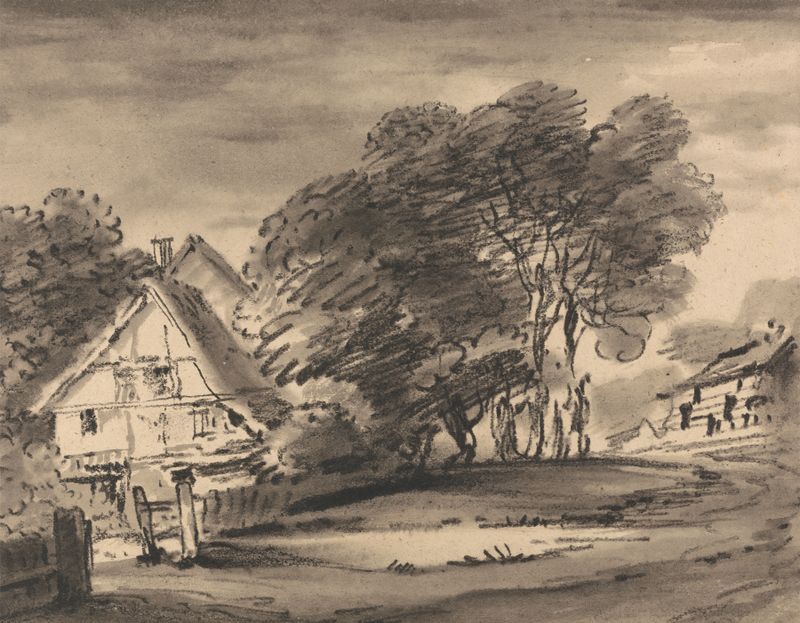
Cottage amongst Trees
Dr. Thomas Monro
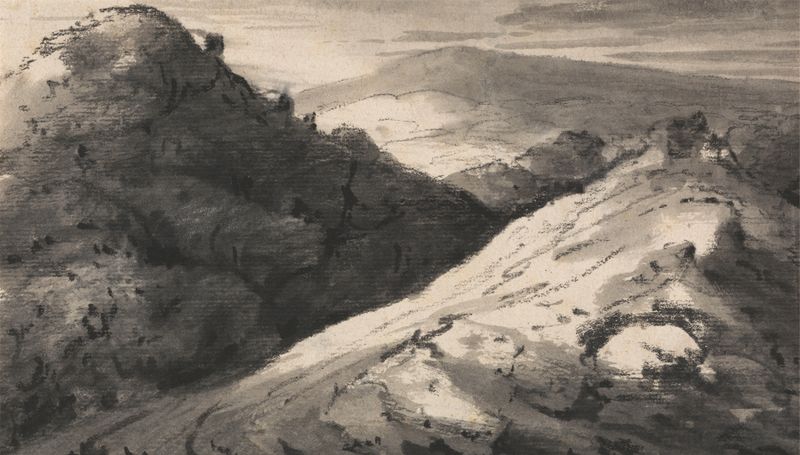
Composition: Hilly Country
Dr. Thomas Monro
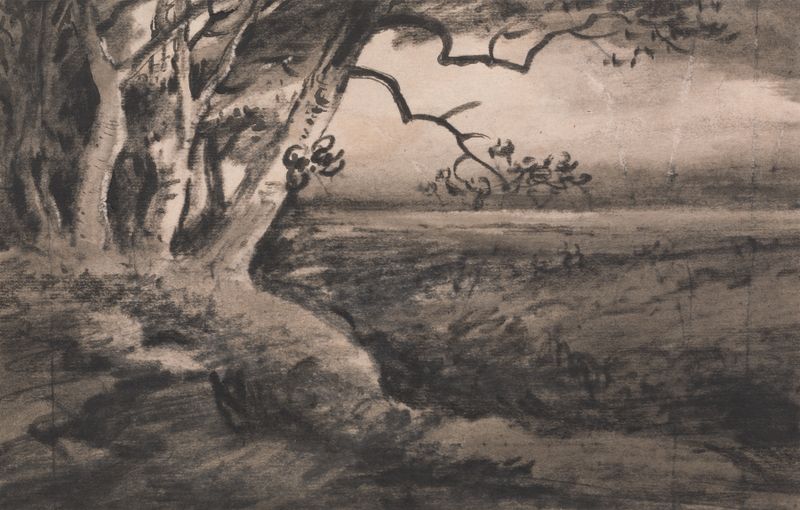
Landscape
Dr. Thomas Monro

Marshland Landscape
Dr. Thomas Monro
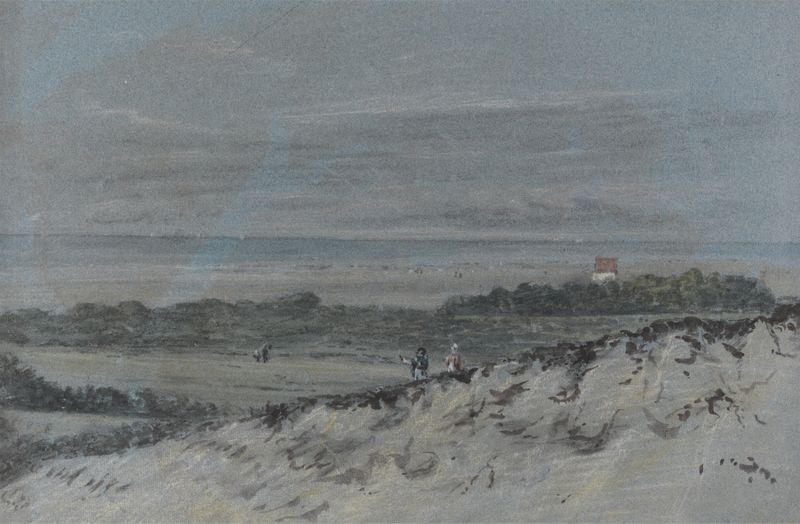
Seashore with Sand Dunes
Dr. Thomas Monro

Composition inspired by Richard Wilson’s Paintings of Cader Idris
Dr. Thomas Monro

Landscape with Trees and two Figures
Dr. Thomas Monro
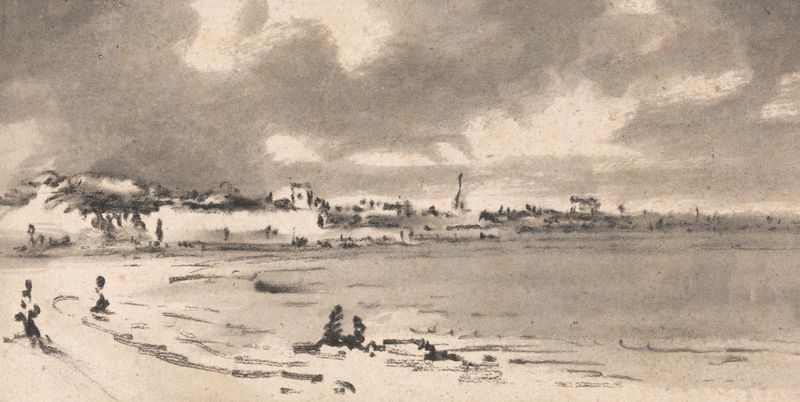
Composition: Italian Seascape Effect
Dr. Thomas Monro
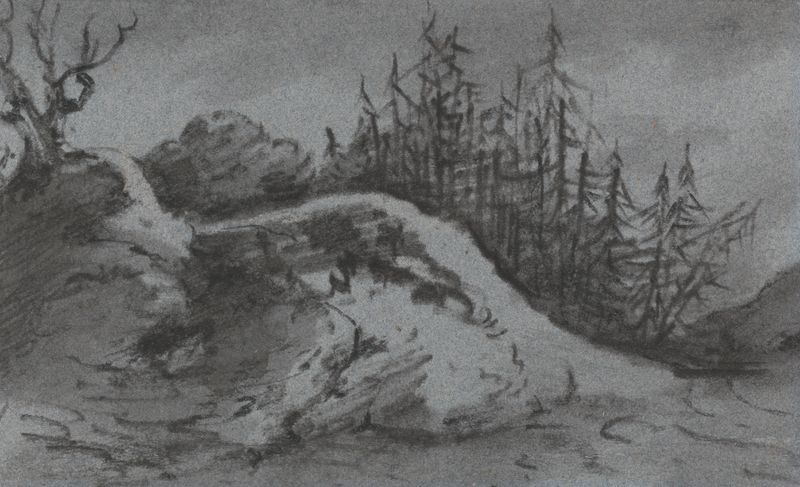
Composition of Rocks and Pine Trees
Dr. Thomas Monro
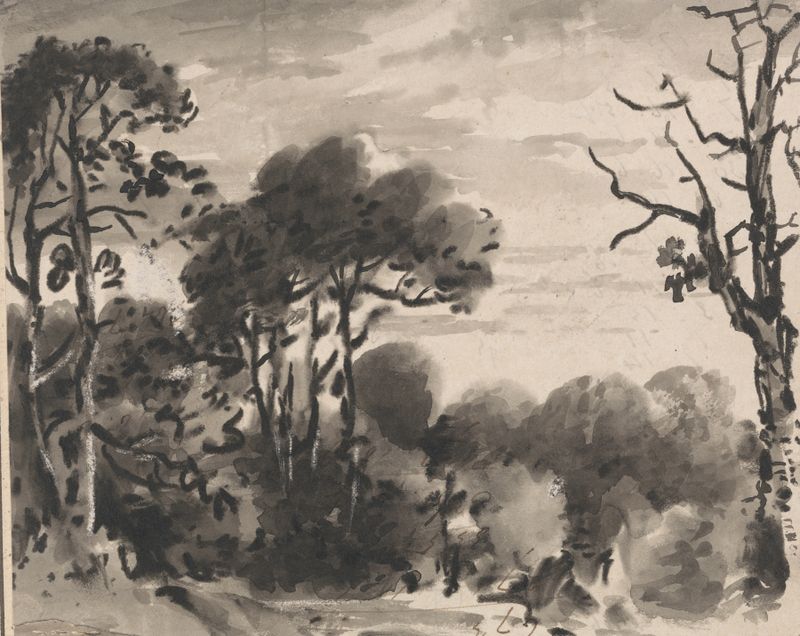
Composition: The Edge of a Wood
Dr. Thomas Monro





