The Elm Tree — History & Facts
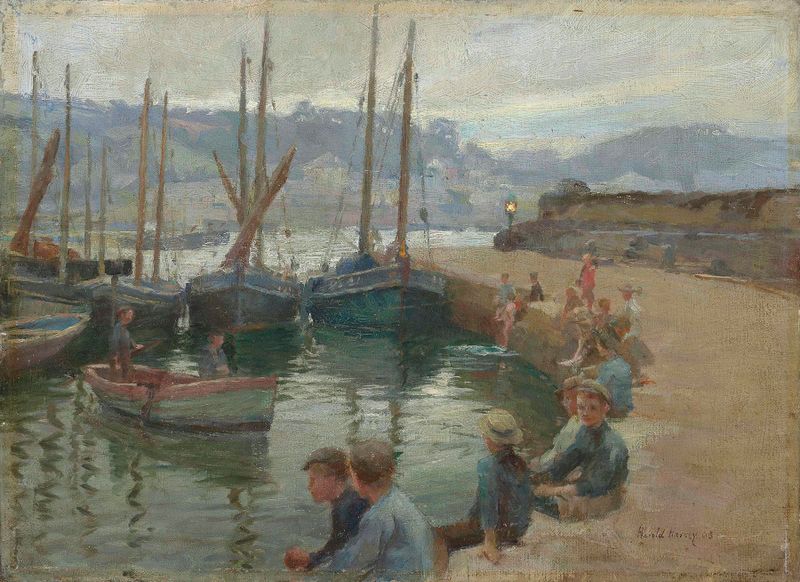
Can paint confess what words never could? In The Elm Tree, the brush strokes whisper secrets of nature and solitude, revealing a tranquil world that speaks volumes. Look to the center of the canvas, where the stately elm stands tall and proud, its branches stretching out like open arms. The textured greens of the leaves contrast beautifully against a soft blue sky flecked with wisps of white clouds. Notice how the gentle play of light filters through the foliage, creating dappled shadows on the ground, which draws the eye downwards to the intricate details of the underbrush.
The harmony of color and composition invites the viewer to pause, breathe, and relish the serenity of the moment. Beneath the surface, the elm embodies resilience and endurance, standing as a metaphor for the passage of time and the cycles of life. The stillness of the scene evokes a sense of introspection, suggesting that even in moments of solitude, one can find connection and strength. The carefully rendered details of the bark and surrounding flora reveal an artist's dedication to capturing both the beauty and fragility of nature, encouraging a deeper contemplation of our relationship with the environment. Harold Charles Francis Harvey painted The Elm Tree in 1927, during a time when the art world was navigating the transition from traditional landscapes to modern expressions.
Living in England, Harvey was deeply influenced by the plein air movement, which sought to capture the immediacy of light and atmosphere found in the natural world. This piece reflects his commitment to realism while also hinting at the broader changes occurring in the realm of art.