
The Falls of St. Anthony — History & Facts
In the perpetual cycle of nature, the act of rebirth reveals itself through vibrant hues and flowing forms. Look closely at The Falls of St. Anthony. Your eyes are drawn first to the cascading waterfall, a powerful torrent framed by lush greenery.
Notice how Eastman captures the movement of the water with delicate brushstrokes, each ripple conveying a sense of life and energy. The palette is rich with earthy greens and blues, contrasting with the white froth of the falls that almost glimmers in the sunlight, inviting contemplation. Hidden within the scene is a deeper resonance of rebirth. The falls, a symbol of renewal, echo the relentless passage of time and nature's ability to rejuvenate.
In the foreground, a few scattered rocks, worn smooth by years of rushing water, hint at the endurance of the landscape against the forces of change. The interplay between the serene water and the rugged terrain embodies the tension between fragility and strength, a reminder of life's transient beauty. In 1848, Seth Eastman was deeply immersed in his role as an artist and military officer in the United States, witnessing the expansion of the American frontier. His work during this period often depicted the natural beauty of the land, reflecting a growing national identity intertwined with the allure of untouched wilderness.
As the world around him underwent rapid transformation, his paintings served as a record of both the environment and the ethos of resilience embodied in American landscapes.
More Artworks by Seth Eastman
Browse all →
Chippewa Encampment on the Upper Mississippi
Seth Eastman
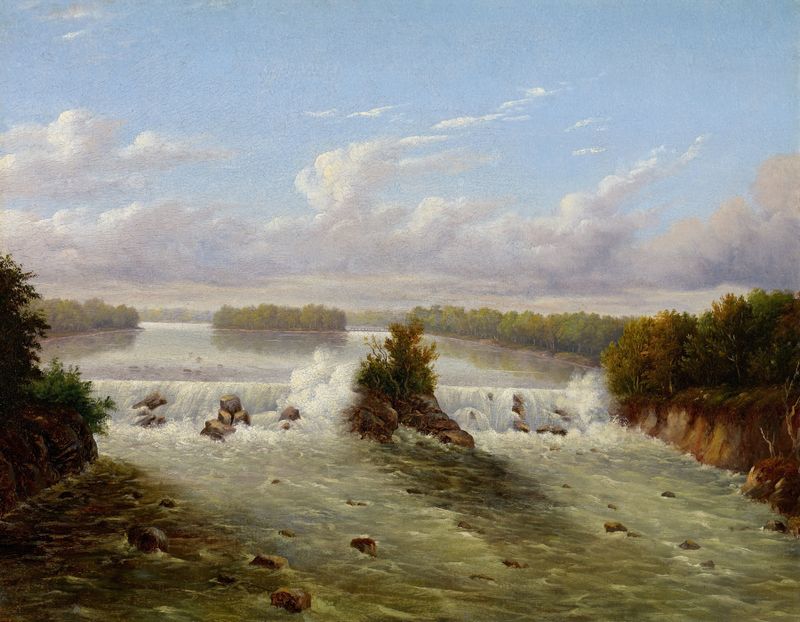
The Falls of St. Anthony
Seth Eastman
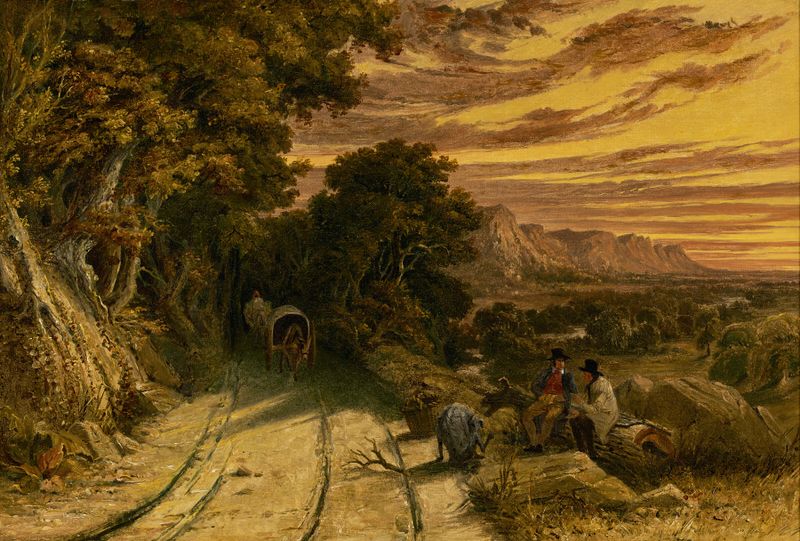
Road-Side View (View in Wisconsin)
Seth Eastman

Constitution Island and Foundry from West Point, New York
Seth Eastman
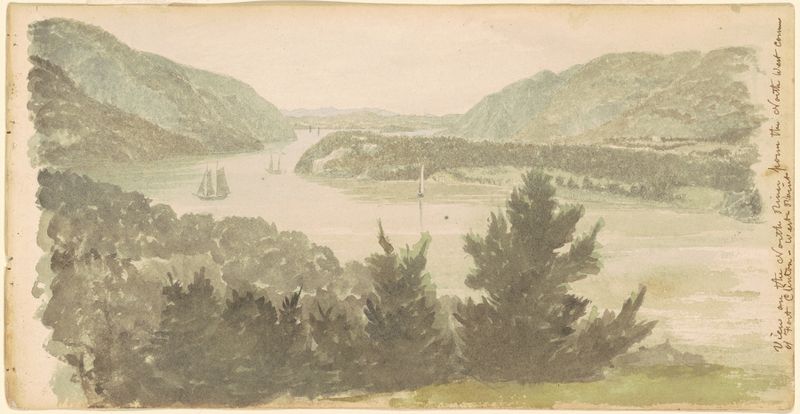
View of the North River from the North West Corner of Fort Clinton—West Point
Seth Eastman

Devil’s Bake Oven 72 Miles Above the Mouth of the Ohio
Seth Eastman
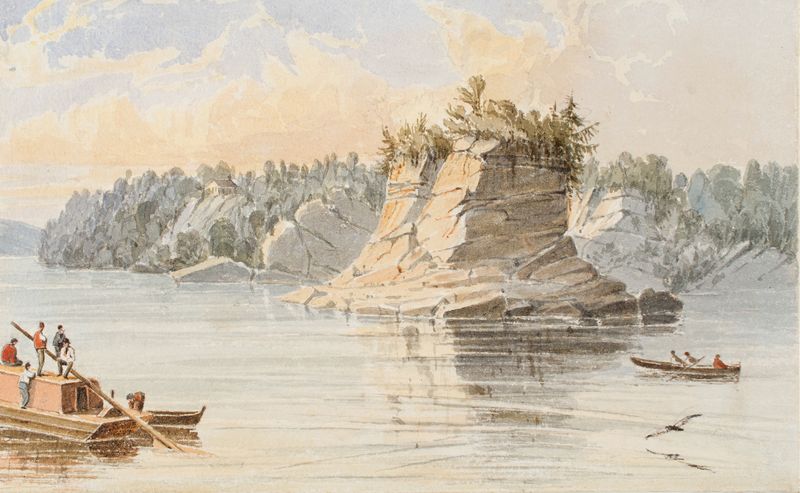
The Grand Tower, 80 Miles Above the Mouth of the Ohio, #64
Seth Eastman
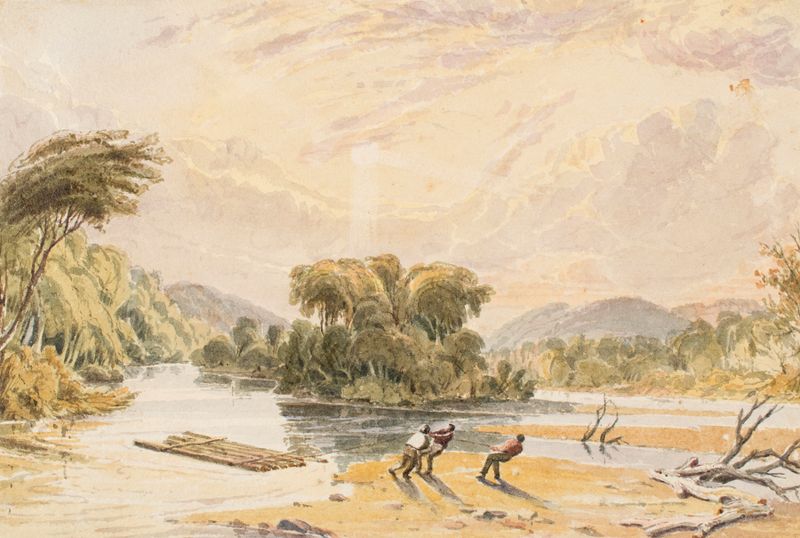
View Sixty Miles Above St. Louis, #56
Seth Eastman
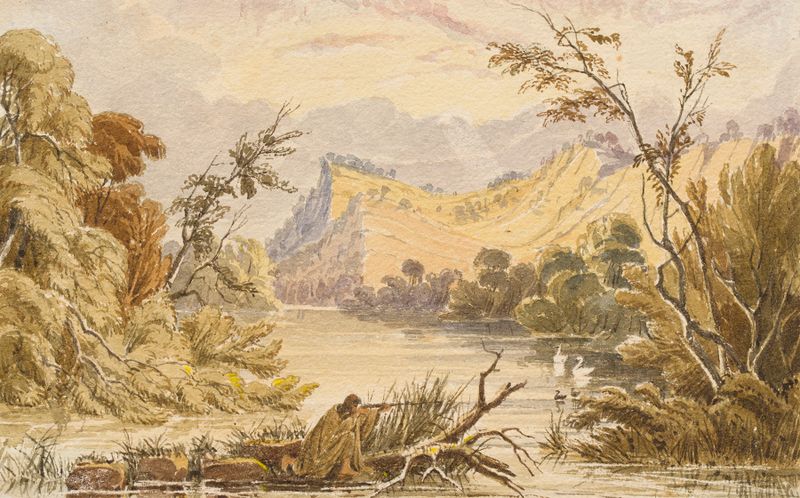
View 100 Miles Above St. Louis
Seth Eastman

[O-ho-kea-pe]
Seth Eastman





