The Flock of Sheep — History & Facts
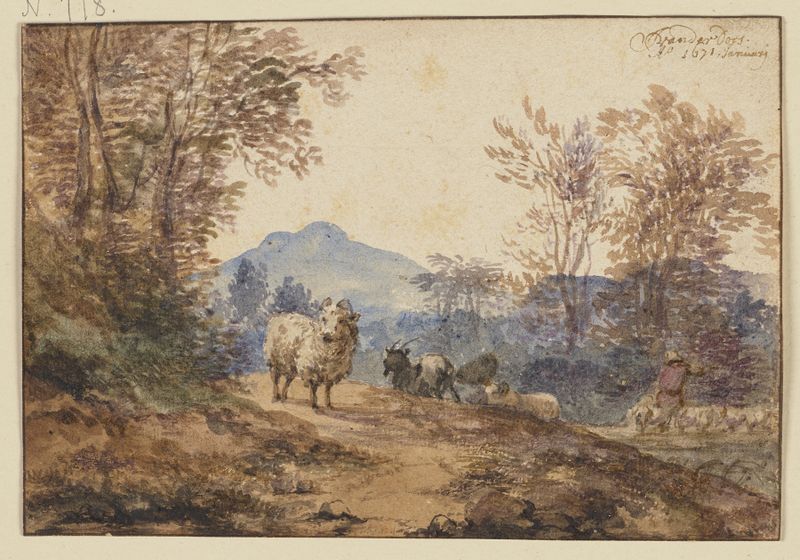
What if silence could speak through light? In the serene expanse of a pastoral landscape, a flock of sheep grazes, embodying a profound truth that resonates through stillness and simplicity. Focus on the gentle contours of the hills and the way they cradle the sheep, each figure softened by the golden hues of the late afternoon sun. Look to the left where a shepherd, a humble guardian, watches over the flock, his posture imbued with a sense of duty and tranquility. Notice how the play of light dances on the wool, creating a warm, luminous effect that breathes life into the scene.
The muted palette of greens and browns contrasts subtly with the sheep’s white coats, establishing a harmonious balance that invites contemplation. Delve deeper into the contrasts; the sheep, symbols of innocence and purity, juxtapose with the solitary, watchful shepherd, embodying the eternal bond between nature and humanity. The stillness of the composition echoes a moment of reflection — nature’s simplicity juxtaposed against the complexities of human life. The quietude invites viewers to consider the truths hidden within routine, suggesting a deeper connection to the pastoral life, a longing for peace, and a reminder of the importance of guardianship over nature. Jacob van der Does painted The Flock of Sheep in 1661, during a period marked by a fascination with pastoral scenes in Dutch art.
Settled in Amsterdam, van der Does contributed to the genre of landscape painting that merged realism with a sense of idealized beauty. This work reflects the era's emphasis on everyday life while also revealing the artist's personal inclination toward capturing the serene essence of rural existence.